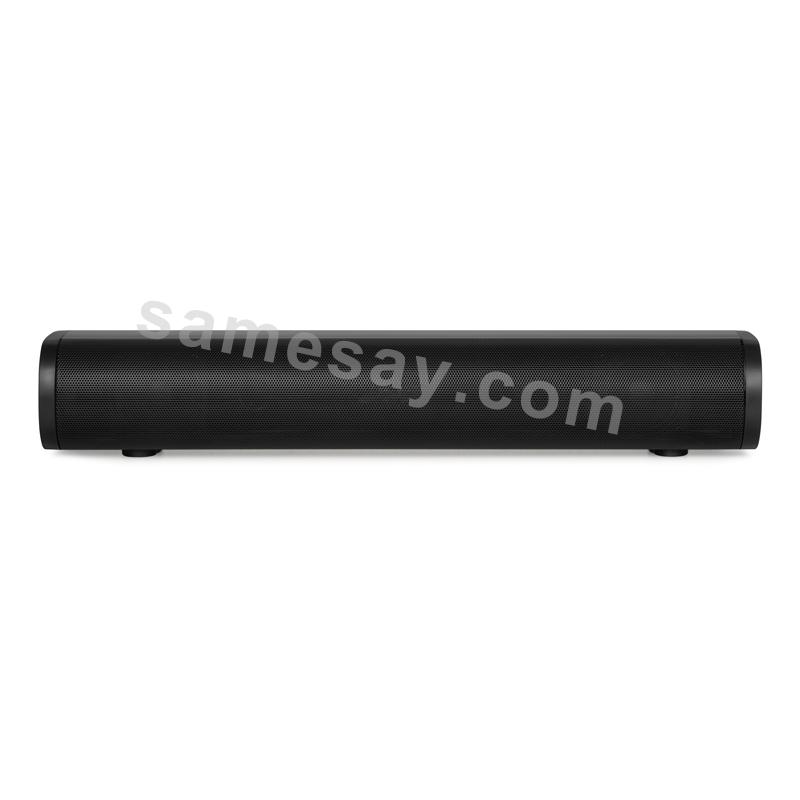
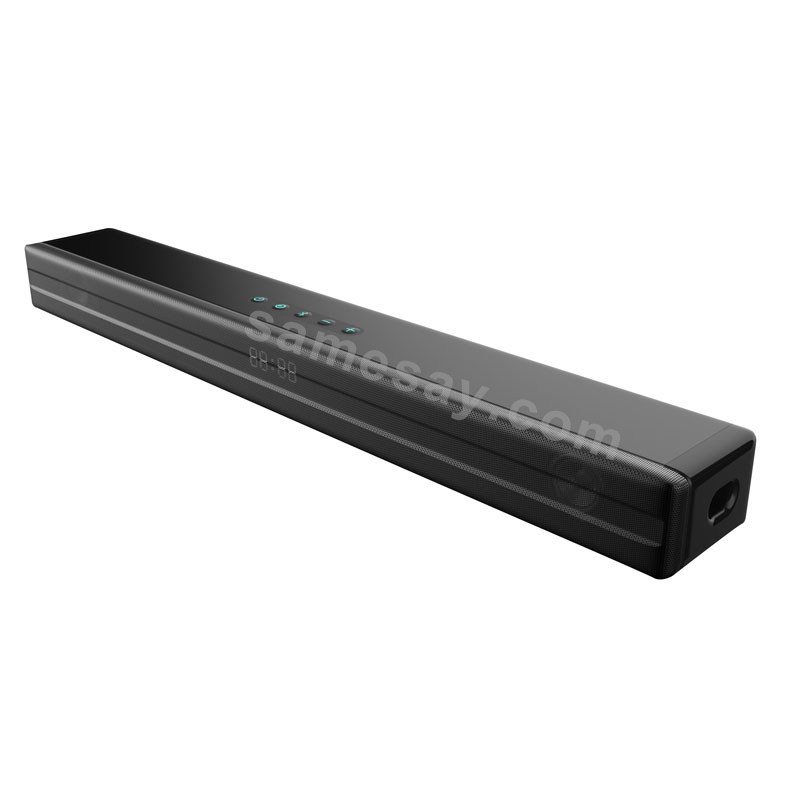
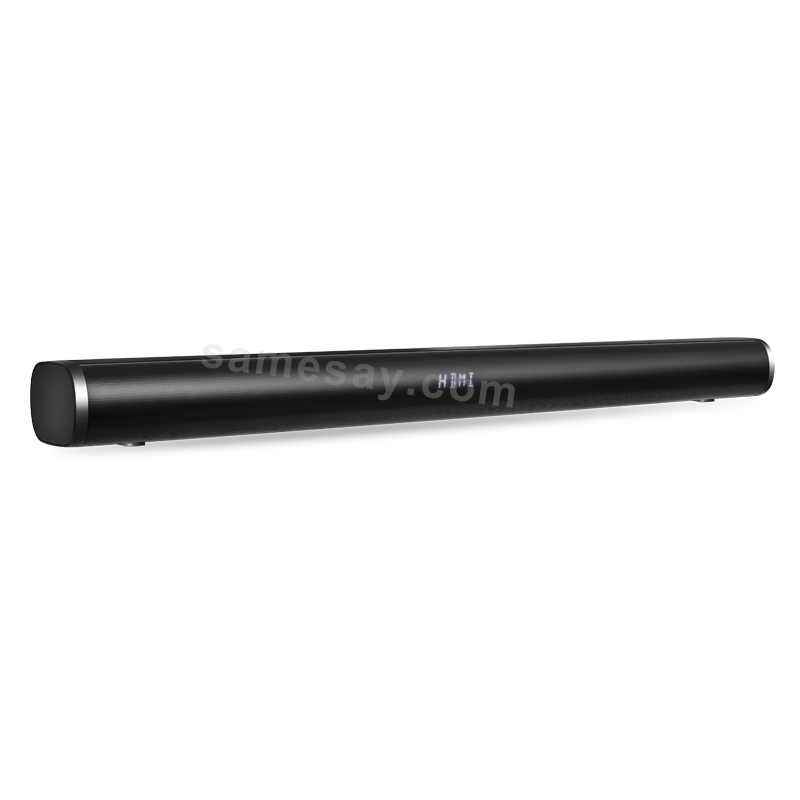
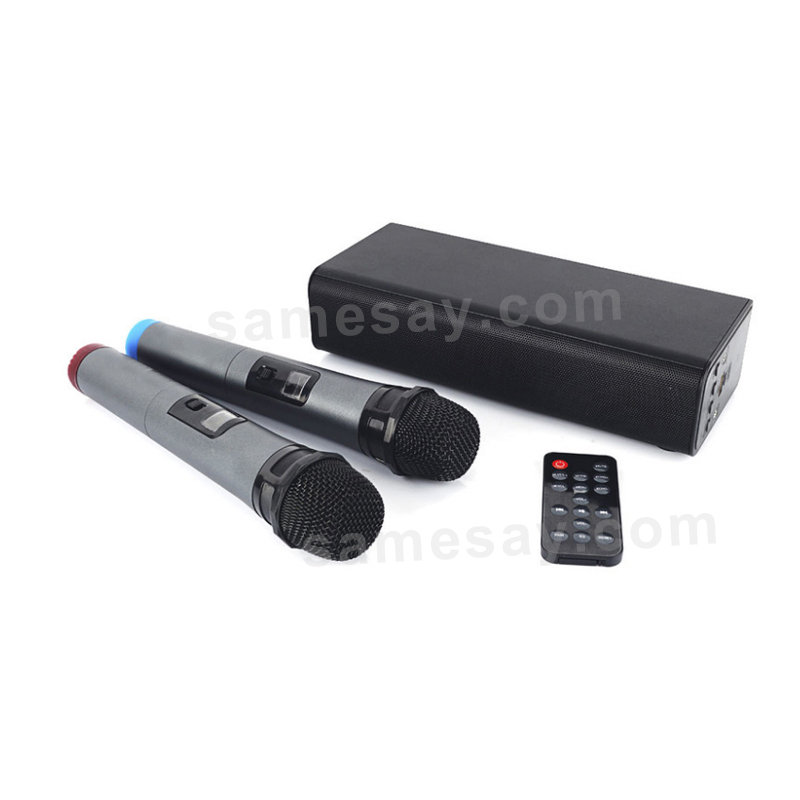
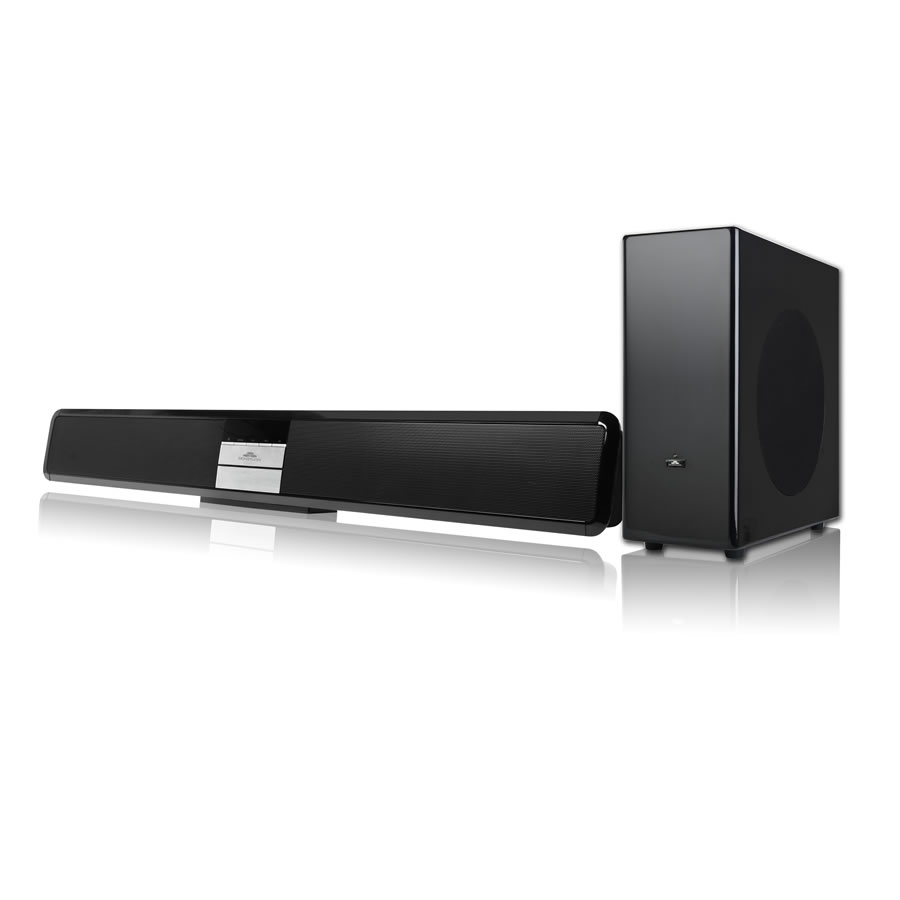
Sound Bars
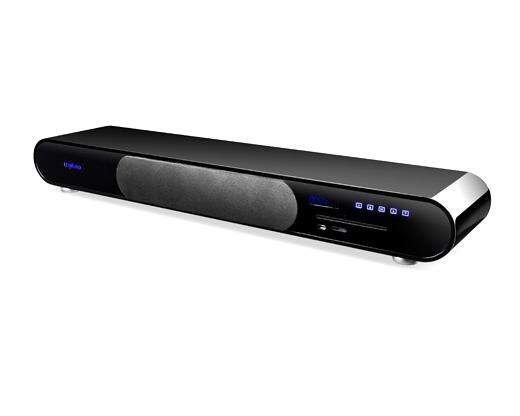
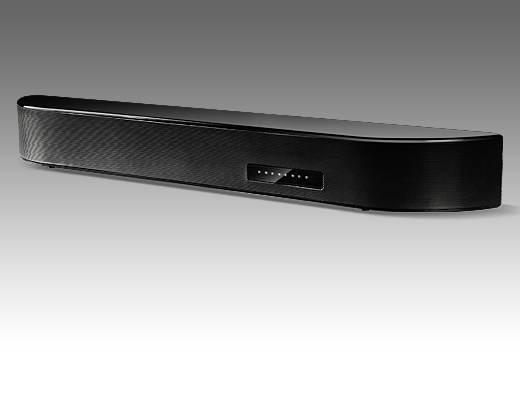
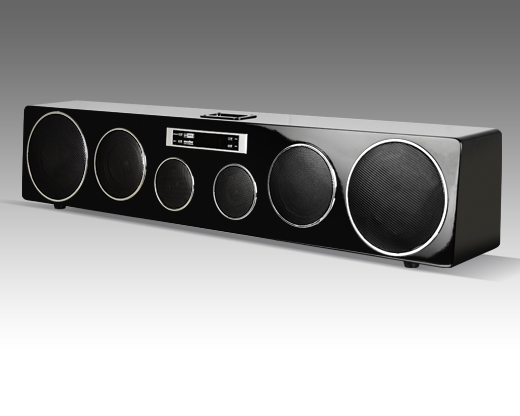
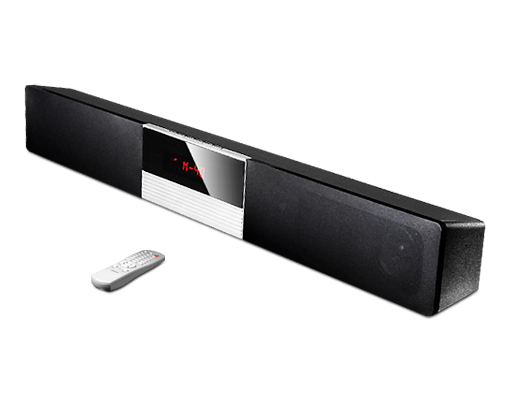
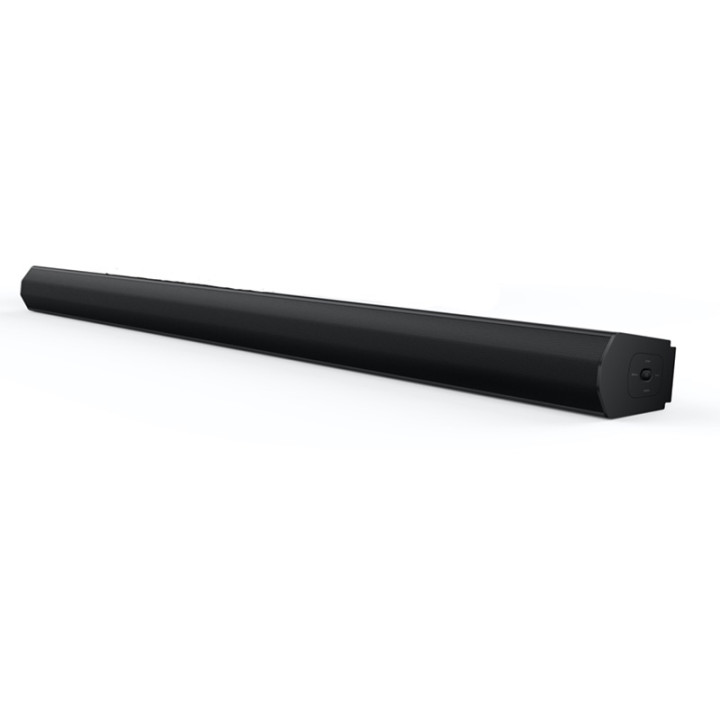
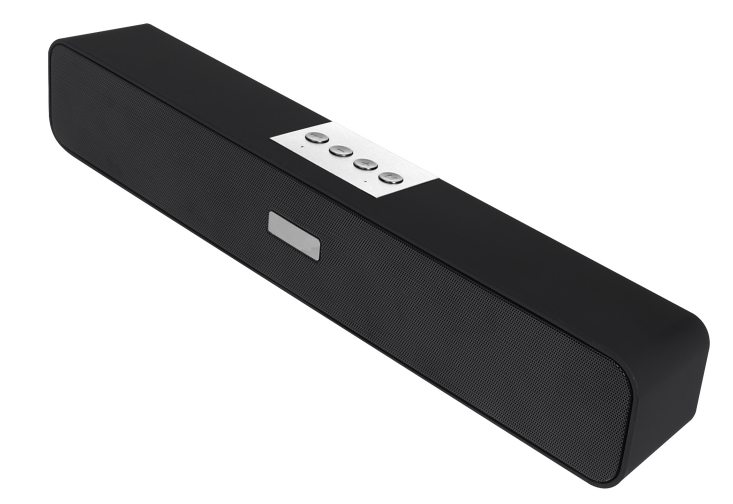
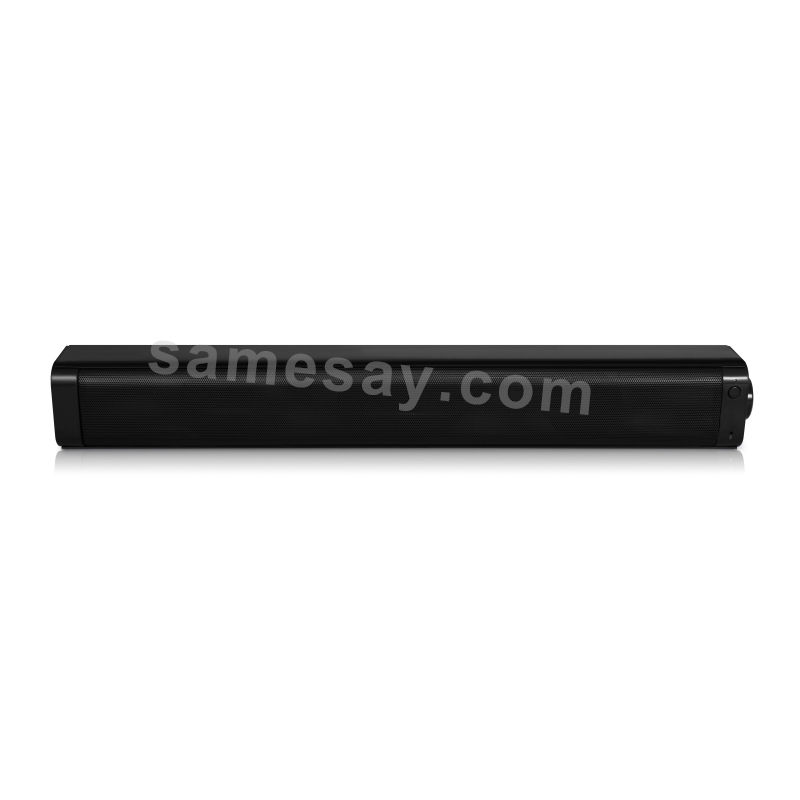
Source premium and entry-level Sound Bars directly from vetted manufacturers and wholesale suppliers. Designed for electronics importers, distributors, and brands seeking reliable OEM and private-label production, our network delivers scalable manufacturing with stringent quality control.
Sourcing sound bars at volume requires balancing acoustic performance, connectivity standards, and strict licensing compliance. Whether you are importing entry-level 2.0 channel units for mass retail or developing premium 5.1.2 Dolby Atmos systems, success on the factory floor depends on precise component specification and rigorous assembly oversight. An inferior DSP (Digital Signal Processing) chip or poor enclosure sealing can ruin the acoustic profile, leading to high return rates.
Core Specifications and Acoustic Architecture
When evaluating a manufacturer's technical capability, you must look beyond the cosmetic design and focus on the internal acoustic architecture. The choice of System on Chip (SoC), driver materials, and amplifier topology dictates the product's market positioning.
Channel Configurations and Hardware
| Configuration | Hardware Setup | Target Market |
|---|---|---|
| 2.0 / 2.1 Channel | Full-range drivers + optional wireless subwoofer | Entry-level retail, basic TV audio upgrades |
| 3.1 Channel | Adds dedicated center channel for vocal clarity | Mid-tier home theater setups |
| 5.1.2+ Atmos | Includes up-firing drivers and external surrounds | Premium audiophile and high-end OEM |
Critical Internal Components
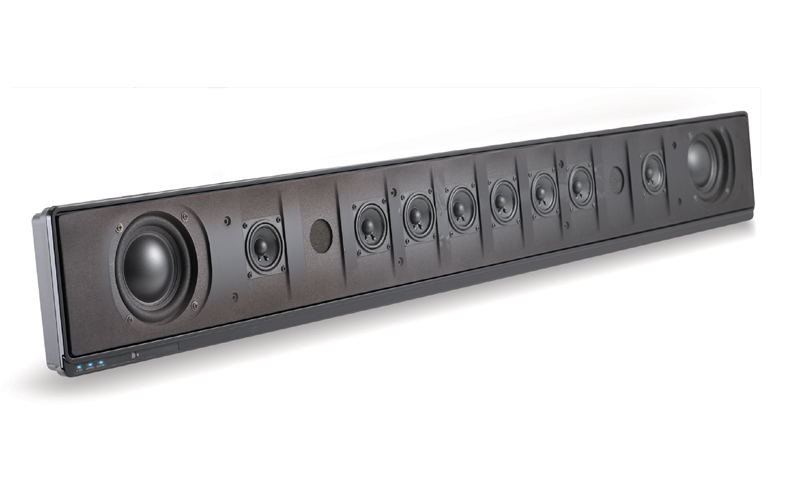
- Drivers and Tweeters: Neodymium magnets offer better power handling and efficiency than standard ferrite, crucial for maintaining a slim sound bar profile. Silk dome tweeters are preferred for smooth high-frequency response, while passive radiators are often used to enhance mid-bass in compact enclosures without external subwoofers.
- Amplification: Class D amplifiers are the standard due to their high efficiency and low heat generation. Specify the RMS power output rather than peak power to ensure realistic performance expectations.
- SoC and DSP: The DSP is the brain of the sound bar, handling equalization, crossover networks, and virtual surround sound decoding. Ensure the SoC supports the necessary Bluetooth codecs (SBC, AAC, aptX) and HDMI ARC/eARC protocols.
Navigating DSP tuning and driver selection requires on-the-ground technical oversight. Let's discuss your product requirements and find the right manufacturing partner.
Talk to our teamManufacturing Tolerances and Quality Control
Acoustic products are highly sensitive to manufacturing variances. A poorly sealed enclosure will cause air leaks, resulting in audible chuffing or rattling at high volumes. Establishing a robust Quality Control & Inspection protocol is essential to catch these defects before shipment.
Critical QC Checks for Sound Bar Production
- Anechoic Chamber Testing: Verifying frequency response and THD (Total Harmonic Distortion) against the golden sample.
- Enclosure Integrity: Vibration and rattle testing at maximum volume to ensure tight acoustic seals.
- Connectivity Handshakes: HDMI eARC and CEC compatibility testing across multiple major TV brands.
- Wireless Latency: Testing the synchronization between the sound bar and the wireless subwoofer (must be under 20 milliseconds).
Compliance, Licensing, and OEM/ODM
Developing a custom audio product through OEM/ODM Services involves navigating a complex web of intellectual property and regulatory compliance.
If your sound bar features HDMI, Bluetooth, or specific surround sound formats, the factory must be licensed, or you will face customs seizures or legal action.
- Audio Codecs: Dolby Audio, Dolby Atmos, and DTS:X require the manufacturer to be an authorized licensee. You cannot legally import these without the proper royalty agreements in place.
- Wireless and Safety: Bluetooth SIG certification is mandatory for any Bluetooth-enabled device. Additionally, standard electronics certifications (FCC for the US, CE for Europe, RoHS) are required.
- HDMI: The factory must be an HDMI adopter to legally use the HDMI port and logo.
Proper Compliance & Testing ensures your shipments clear customs and meet regional retail requirements.
Pricing Dynamics, MOQs, and Lead Times
Sound bar pricing is heavily influenced by the cost of the SoC, the number of drivers, and the inclusion of wireless subwoofers. Licensing fees for Dolby and HDMI also add a fixed cost per unit.
Need to negotiate licensing terms or manage complex tooling for a custom design? We can help structure your supply chain and protect your margins.
Get a free consultationFrequently Asked Questions
Sourcing sound bars is as much about managing software handshakes and licensing as it is about hardware assembly. By partnering with manufacturers who possess verified acoustic engineering capabilities and legitimate IP licenses, you can build a reliable, high-margin audio portfolio.
Get Sourcing Help for Sound Bars
Tell us your requirements and our experts will connect you with verified manufacturers.