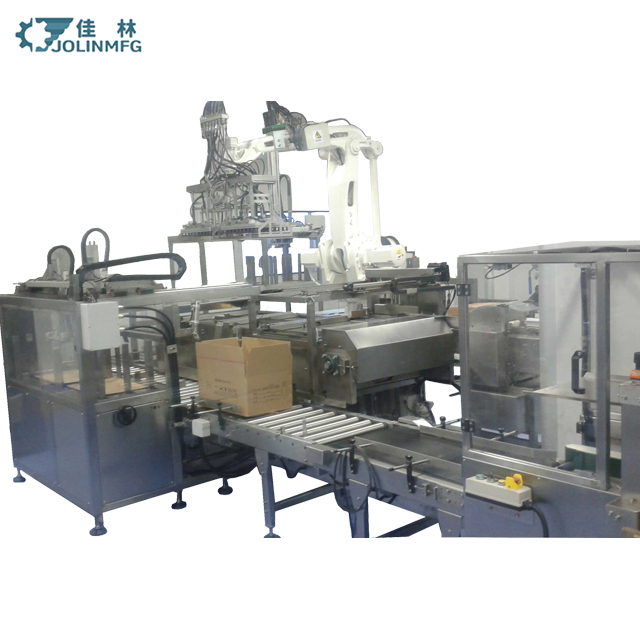
Sorting Conveyors
Source heavy-duty Sorting Conveyors directly from vetted manufacturers and wholesale suppliers. Designed for material handling distributors, systems integrators, and procurement managers buying in volume, our network delivers reliable sorting systems tailored for high-throughput logistics, manufacturing, and OEM environments.
Sourcing sorting conveyors for large-scale distribution centers or manufacturing facilities requires balancing high-throughput capabilities with strict mechanical reliability. When importing these capital-intensive systems, the primary challenge is ensuring the factory has the engineering depth to produce precise divert mechanisms and the structural integrity to handle continuous, heavy-duty operation without excessive downtime.
Core Specifications and Sorter Selection
Specifying a sorting conveyor goes far beyond length and width. Procurement teams must match the mechanical design to the specific load profile and throughput demands of the end user. If the divert mechanisms are underspecified, the system will suffer from high jam rates and premature motor wear.
| Sorter Technology | Typical Throughput | Ideal Load Profile |
|---|---|---|
| Sliding Shoe Sorters | Upto 10,000 items/hr | Mixed cartons, totes, and rigid parcels |
| Cross-Belt Sorters | 10,000 to 20,000+ items/hr | Polybags, small parcels, fragile items |
| Pop-Up Roller Sorters | 3,000 to 7,000 items/hr | Standard cartons, medium-weight packages |
| Tilt-Tray Sorters | 8,000 to 15,000 items/hr | Apparel, small electronics, irregular shapes |
When negotiating specifications with a manufacturer, clearly define the maximum weight per meter, the required belt or roller speeds (measured in meters per second), and the acceptable noise thresholds (typically under 75 dB for modern facilities). Ensure the drive motors and pneumatic cylinders specified in the Bill of Materials (BOM) are from reputable, internationally recognized brands, as generic alternatives often fail under continuous industrial use.
Need help verifying supplier engineering capabilities? We can audit factories and validate technical specifications before you place a deposit.
Talk to our teamManufacturing Tolerances and Quality Control
The reliability of a sorting conveyor is won or lost in the machining of its moving parts and the assembly of its chassis. Misaligned frames or poorly balanced rollers will cause tracking issues, leading to excessive wear on belts and sorter shoes.
When evaluating a factory, look for advanced in-house CNC machining and laser-cutting capabilities. Facilities that outsource the fabrication of core divert components often struggle to maintain the tight tolerances required for high-speed sorting.
Before any system leaves the factory, a rigorous Factory Acceptance Test (FAT) is mandatory. Relying on Quality Control & Inspection teams to oversee this process ensures the system performs to spec before containerization.
Critical FAT Checkpoints for Sorting Conveyors
- Continuous run testing (minimum 24 to 48 hours) at maximum specified speed.
- Divert accuracy validation using dummy loads matching the client's heaviest and lightest profiles.
- Vibration and thermal monitoring of all drive motors and gearboxes.
- Verification of PLC communication protocols and sensor response times.
- Inspection of weld quality and powder-coating thickness on the main chassis.
Navigating the Supply Chain: True Manufacturers vs. Integrators
The Asian material handling market is highly fragmented. Many suppliers marketing themselves as conveyor manufacturers are actually systems integrators. While integrators are useful for localized software implementation, buying bulk mechanical hardware through them adds unnecessary margin and obscures the true source of the equipment.
To secure the best pricing and ensure direct control over the manufacturing process, you must bypass integrators and contract directly with the factories fabricating the hardware. Conducting comprehensive Factory Audits is the most effective way to verify a supplier's true nature, examining their raw material inventory, production lines, and engineering headcount.
Typical Pricing, MOQs, and Lead Times
Because sorting conveyors are highly customized, pricing is typically calculated per linear meter or per divert node, rather than as a single off-the-shelf unit.
Logistics for these systems require careful planning. Sorting conveyors are shipped entirely knocked down (CKD) or partially assembled. Proper export packaging—using treated wooden crates and moisture-barrier wrapping—is critical to prevent rust during transit. Coordinating Shipping & Freight for oversized industrial equipment often requires flat-rack containers or specialized consolidation strategies to manage freight costs effectively.
Managing a complex material handling procurement project? Let our team handle the supplier vetting, FAT oversight, and international logistics.
Get a free consultationBuyer FAQ
Procuring sorting conveyors from overseas manufacturers offers significant capital savings for major facility upgrades or distribution networks. The key to a successful deployment lies in rigorous specification definition, demanding comprehensive Factory Acceptance Testing, and maintaining strict oversight over the mechanical tolerances during production.
Get Sourcing Help for Sorting Conveyors
Tell us your requirements and our experts will connect you with verified manufacturers.