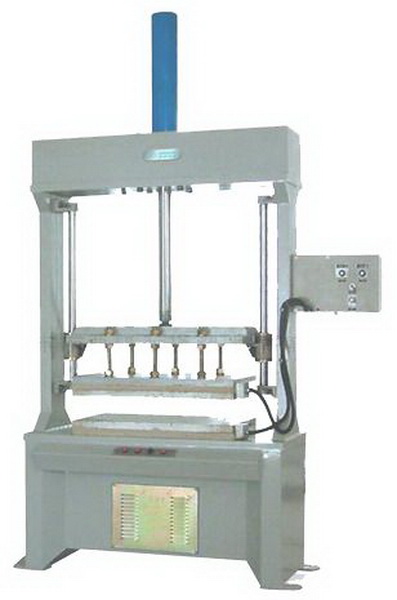
Sole Press Machines
Source industrial Sole Press Machines from vetted suppliers and manufacturers across Asia's top footwear machinery hubs. Designed for equipment importers, wholesale distributors, and footwear brands upgrading their production lines, our network delivers reliable, high-pressure hydraulic and universal airbag pressing solutions in bulk.
The sole pressing stage dictates the structural integrity of the finished shoe. If the pressure distribution is uneven or the hydraulic system fluctuates during the dwell time, the result is delamination, high defect rates, and costly returns. Sourcing reliable sole press machines at scale requires looking past the spec sheet to evaluate the manufacturer's hydraulic component sourcing, PLC reliability, and machining tolerances.
Whether you are equipping a new production line or distributing machinery to local footwear manufacturers, securing consistent, heavy-duty equipment requires strict vendor vetting and quality assurance.
Core Specifications & Machine Selection
Modern sole pressing equipment relies on precise pressure control and adaptable pressing surfaces to accommodate varying shoe lasts and outsole profiles. When negotiating with factories, you must specify the exact performance parameters required for your target market.
- Hydraulic vs. Pneumatic: Heavy-duty applications (work boots, cup soles) require hydraulic systems capable of delivering sustained high pressure (often 30 to 50 kg/cm² or more). Pneumatic systems are generally reserved for lighter footwear or specific secondary pressing tasks.
- Universal Membrane (Airbag) Systems: Standard solid-pad presses struggle with complex or deep-profile outsoles. Universal presses utilize a polyurethane (PU) membrane or airbag that inflates to wrap the entire shoe, applying equal pressure across the bottom, sides, and heel simultaneously.
- Independent Pressure Zones: High-end models feature independent controls for toe, heel, and side pressure, allowing operators to fine-tune the clamping force to prevent upper distortion.
| System Type | Pressure Application | Ideal Footwear Applications |
|---|---|---|
| Universal Airbag / Membrane | Self-adjusting, 360-degree wrap | Complex outsoles, sneakers, heavy boots |
| Solid Pad Hydraulic | Direct vertical and lateral mechanical force | Flat soles, dress shoes, simple EVA bottoms |
| Wall Press (Pneumatic) | Light, rapid side-and-bottom pressure | Canvas shoes, lightweight casuals |
Need to source specialized footwear machinery? We connect you with manufacturers capable of customizing hydraulic systems and PLC controls to your exact specifications.
Talk to our teamFactory Floor Realities: Where Quality is Won or Lost
The difference between a machine that lasts a decade and one that leaks hydraulic fluid within six months comes down to the manufacturer's internal quality control and component selection.
When evaluating a supplier, pay close attention to the origin of their internal components. High-quality Chinese manufacturers will typically use imported hydraulic seals (such as NOK from Japan) and internationally recognized electrical components (Schneider, Omron, or Siemens) for their PLCs and relays. Cheaper alternatives often use domestic seals that degrade quickly under continuous high-pressure cycling.
Critical Inspection Points for Sole Press Machines
- Hydraulic Cylinder Tolerances: Check for micro-leaks and ensure smooth, judder-free stroke movement.
- Membrane Quality: For universal presses, verify the thickness and tear-resistance of the PU airbag.
- Safety Systems: Ensure the presence of functional light curtains, dual-hand operation buttons, and emergency stops.
- Frame Rigidity: Inspect the steel gauge and weld quality of the main C-frame or H-frame to ensure it won't warp under maximum pressure.
- PLC Responsiveness: Test the dwell time accuracy and pressure release speed.
Relying on a factory's self-reported quality is a risk. Implementing rigorous Quality Control & Inspection protocols before the machinery is crated ensures that hydraulic pressure tests and safety compliance checks are performed on your actual units, not just the showroom models.
Pricing, MOQs, and Lead Times
Footwear machinery manufacturing is concentrated heavily in specialized industrial hubs in China, primarily in Wenzhou (Zhejiang province), Dongguan (Guangdong province), and Jinjiang (Fujian province). Sourcing from these regions offers significant cost advantages, but requires careful logistics planning.
Because these machines are heavy and bulky, freight costs make up a significant portion of the landed price. Coordinating Shipping & Freight efficiently—such as consolidating multiple machine types into a single FCL (Full Container Load)—is essential for maintaining your margins.
Managing heavy machinery logistics and factory negotiations is complex. Let our on-the-ground team handle supplier vetting, quality control, and freight consolidation for your next equipment purchase.
Get a free consultationBuyer FAQ
Sourcing industrial sole press machines is a capital-intensive process where equipment failure directly impacts footwear production yields. Success requires looking beyond the lowest unit price to verify component quality, hydraulic stability, and robust safety standards. By partnering with experienced sourcing professionals, you can secure reliable machinery that delivers consistent performance on the factory floor.
Get Sourcing Help for Sole Press Machines
Tell us your requirements and our experts will connect you with verified manufacturers.