Soldering Stations
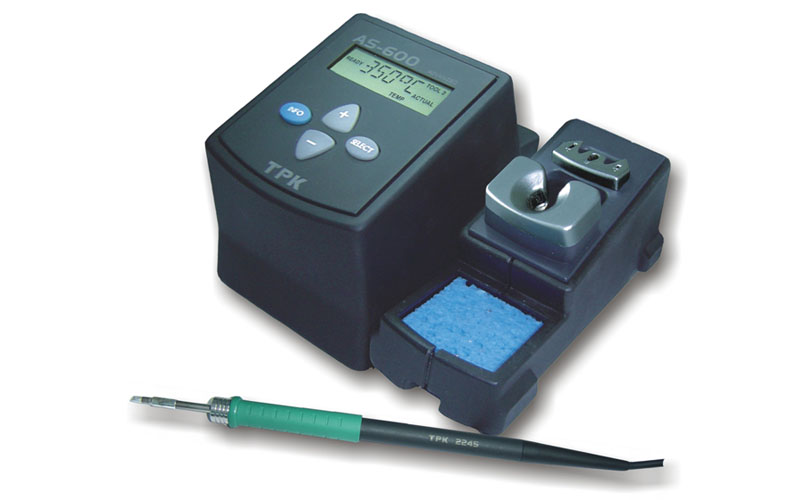
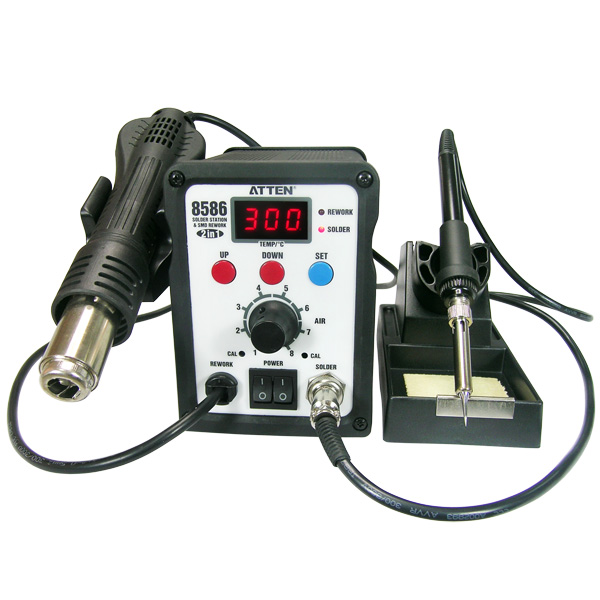
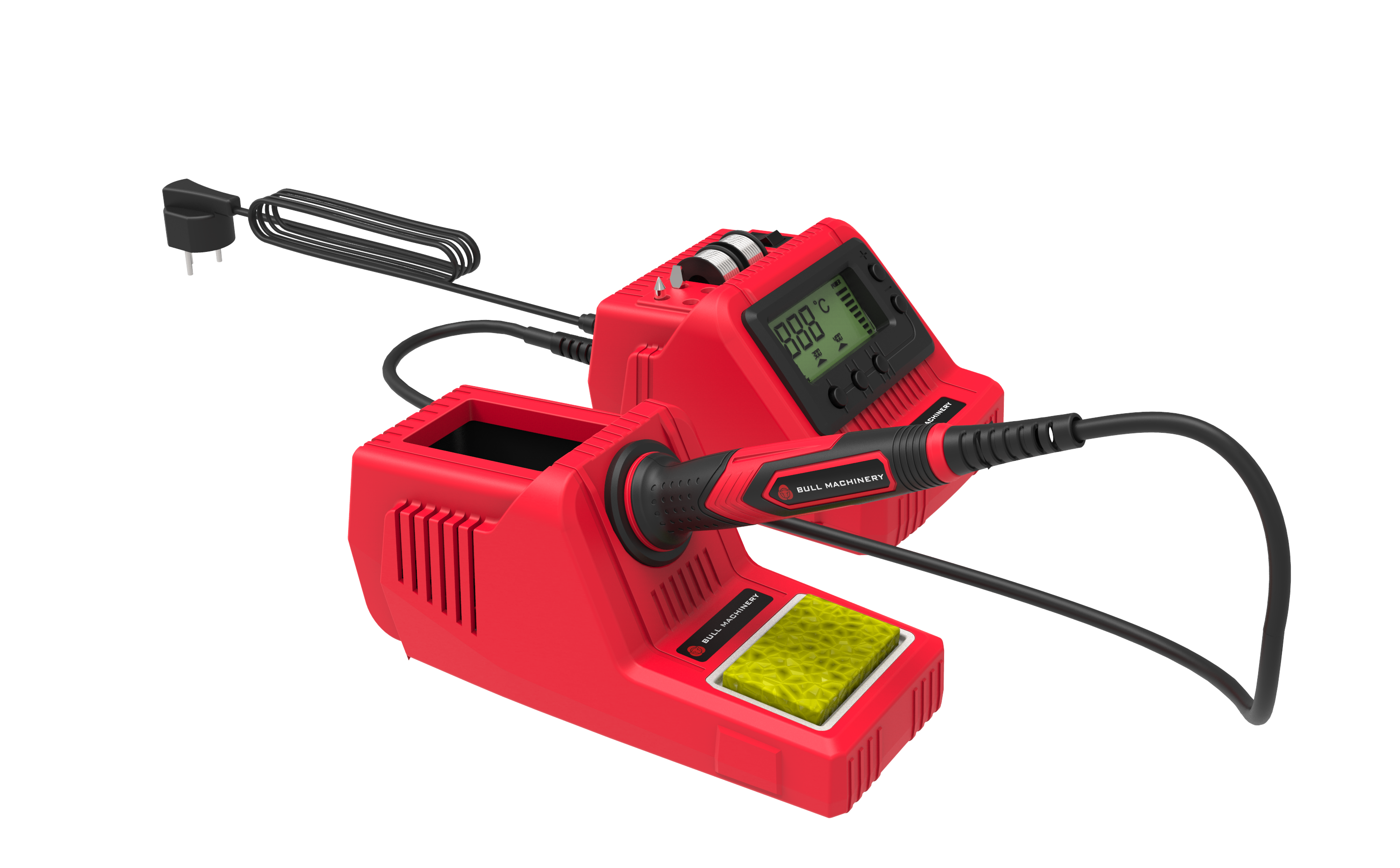
Source professional-grade soldering stations directly from vetted manufacturers and wholesale suppliers. Designed for importers, distributors, and electronics brands, our network supports bulk orders, private-label production, and full OEM customization to meet your specific technical requirements.
Sourcing soldering stations at scale requires balancing thermal performance with long-term electrical reliability. Whether you are supplying professional electronics repair networks, educational institutions, or stocking industrial assembly lines, the core challenge is ensuring consistent temperature calibration, rapid thermal recovery, and strict adherence to ESD safety standards across high-volume production runs.
Key Technical Specifications for Bulk Sourcing
Not all soldering stations are built to the same standard, and the internal architecture dictates the unit's performance and lifespan. When evaluating suppliers, buyers must specify the exact heating technology and control mechanisms required for their target market.
Heating Elements and Thermal Recovery
The core of any soldering station is its heating element and how it interfaces with the tip. The market is generally divided into traditional ceramic cores (like the ubiquitous 900M series) and integrated cartridge systems (like T12 or C245 styles) where the heating element, thermocouple, and tip are a single unit.
| Specification | Ceramic Core (Traditional) | Integrated Cartridge (Direct Heat) |
|---|---|---|
| Thermal Recovery | Moderate to Slow | Instantaneous / Ultra-fast |
| Thermocouple Placement | Inside the heating core | At the very tip of the iron |
| Temperature Accuracy | ±5 to 10 degrees Celsius | ±2 degrees Celsius or better |
| Replacement Cost | Very Low | Moderate to High |
Power Delivery and PID Control
For professional applications, high wattage (75W to 150W or more) is necessary to solder heavy ground planes without the tip freezing. However, wattage is useless without intelligent power delivery. Modern stations utilize PID (Proportional-Integral-Derivative) temperature control algorithms. Lower-tier manufacturers often use cheap microcontrollers (MCUs) with poorly tuned PID loops, resulting in temperature overshoot that can damage sensitive SMD components.
Need help finding manufacturers capable of producing high-accuracy, PID-controlled soldering stations? We can connect you with vetted factories.
Talk to our teamManufacturing Quality and Common Defects
The primary manufacturing hubs for soldering stations are concentrated in Shenzhen and Dongguan. While the supply chain is highly mature, the variance in quality between a premium OEM manufacturer and a low-end assembler is vast.
Where Factories Cut Corners
Cost-down engineering is common. A frequent invisible downgrade is the use of aluminum-wound transformers instead of pure copper. Aluminum transformers run hotter, are less efficient, and have a significantly shorter lifespan under continuous load. Another common issue is fake ESD (Electrostatic Discharge) safety. A station may feature an ESD-safe logo, but internal inspection might reveal that the grounding wire from the iron receptacle to the earth pin on the mains plug is entirely missing.
To prevent these issues, implementing strict Quality Control & Inspection is non-negotiable.
Critical Factory-Floor QC Checks
- Verify pure copper windings in the main transformer via weight and visual inspection.
- Test earth ground continuity from the soldering tip to the mains plug (must be under 2 ohms).
- Measure tip-to-ground AC leakage voltage (must be under 2 millivolts).
- Calibrate and verify PID temperature stability using an external contact thermometer.
- Inspect PCB assembly for clean SMT placement and proper conformal coating.
OEM Customization and Private Labeling
For brands looking to differentiate, off-the-shelf units are rarely sufficient. Engaging in OEM/ODM Services allows you to customize the firmware (such as adding custom sleep-mode timers or UI graphics on OLED screens), design proprietary handpieces, or develop custom tip profiles.
When developing a custom station, it is critical to ensure the factory has in-house R&D capabilities rather than just assembly lines. Conducting thorough Factory Audits will verify their engineering team's ability to handle custom PCB layouts and firmware development, ensuring your intellectual property is protected and the final product meets your exact specifications.
Pricing, MOQs, and Lead Times
Pricing for soldering stations is highly dependent on the internal architecture (transformer size, MCU quality, display type) and the included accessories (brass wire sponges, premium silicone cables, stand weight).
When negotiating, clarify exactly what is included in the BOM (Bill of Materials). A factory quoting a surprisingly low price has likely substituted the silicone handpiece cable for a stiff PVC one, or downgraded the internal power supply. Always mandate BOM lock-in before mass production.
Struggling to negotiate favorable MOQs or verify BOM components with Asian suppliers? Let our sourcing experts manage the process for you.
Get a free consultationBuyer FAQ
Navigating the supply chain for professional soldering equipment requires a deep understanding of thermal dynamics, electrical safety standards, and component-level manufacturing. By locking down precise technical specifications and maintaining rigorous oversight on the factory floor, you can secure reliable, high-performance stations that protect your brand's reputation. If you need experienced boots on the ground to manage supplier vetting, technical negotiation, and quality assurance, our team is ready to assist.
Get Sourcing Help for Soldering Stations
Tell us your requirements and our experts will connect you with verified manufacturers.