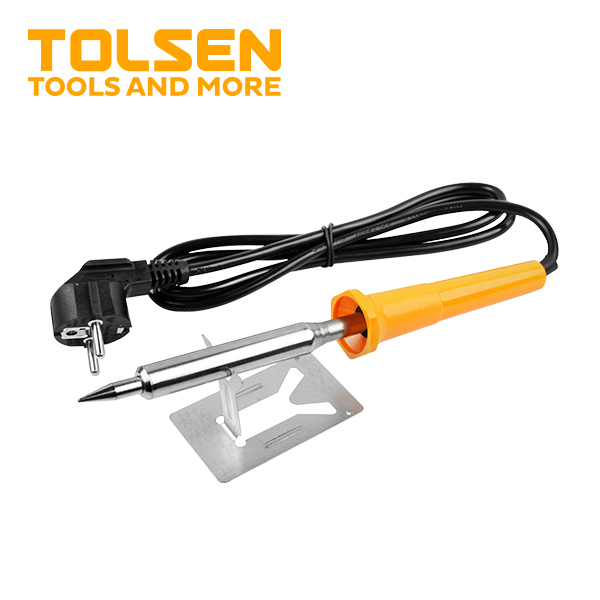
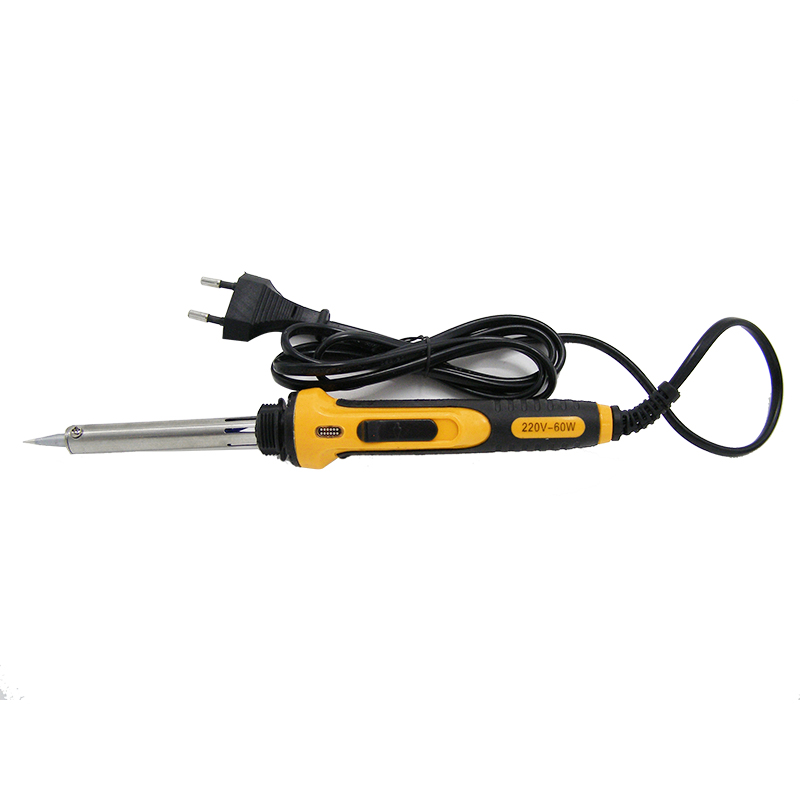
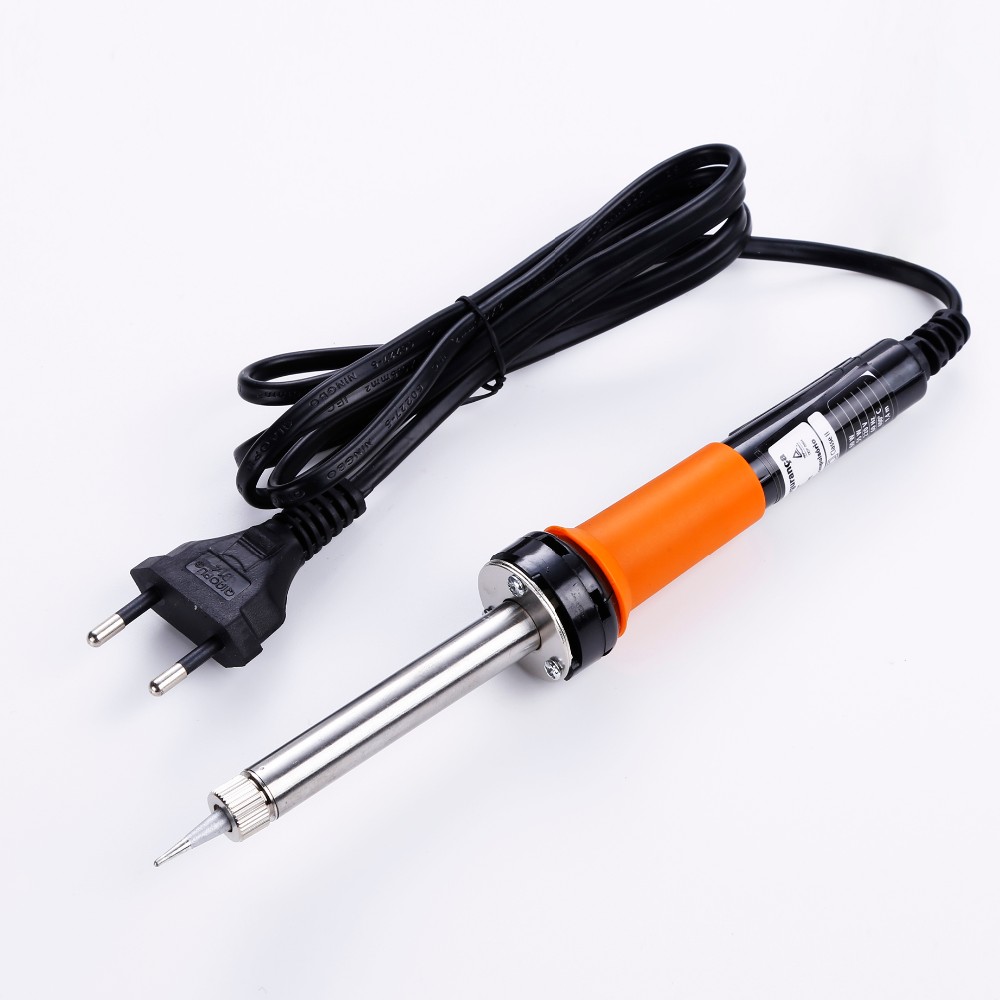
Soldering Irons
Source professional-grade soldering irons from vetted manufacturers and suppliers across Asia. Designed for importers, wholesalers, distributors, and brands seeking OEM or private-label production, our network delivers reliable, market-compliant tools in bulk. Secure competitive wholesale pricing and streamline your procurement today.
Sourcing soldering irons at volume requires navigating a highly fragmented manufacturing base while ensuring strict electrical safety and thermal performance. Whether you are supplying regional hardware distributors, equipping industrial assembly lines, or developing a custom line of smart soldering tools, the core procurement challenge is consistent component quality. Verifying the integrity of the heating element, the precision of the temperature control circuitry, and the safety of the power delivery system is critical before committing to a bulk manufacturing run.
Core Technical Specifications to Define
When negotiating with factories, generic requests yield inconsistent results. Professional buyers must specify the exact internal architecture of the soldering iron to ensure the final product meets market expectations.
Heating Element Technology
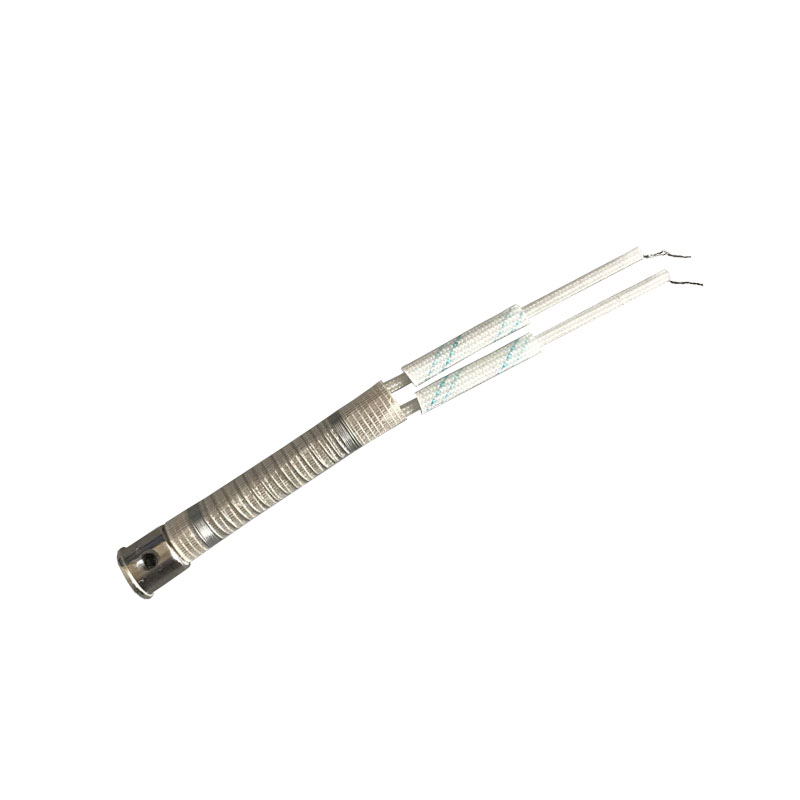
The heating element defines the tool's performance, thermal recovery speed, and lifespan.
| Element Type | Thermal Recovery | Durability | Typical Application |
|---|---|---|---|
| Ceramic (PTC) | Very Fast | High | Professional / Precision |
| Nichrome Wire | Moderate | Moderate | DIY / Budget Retail |
| Induction | Instantaneous | Very High | Heavy Industrial |
Temperature Control Systems
For variable temperature models, specify the control mechanism. Basic models use simple analog potentiometers (TRIAC circuits), which can suffer from temperature drift. Professional-grade units require a digital PID (Proportional-Integral-Derivative) controller paired with a precise thermocouple located near the tip to ensure the temperature remains stable under heavy thermal loads.
Quality Control and Common Factory Defects
In mass production, especially at lower price tiers, factories may cut corners on unseen internal components. Implementing rigorous Quality Control & Inspection protocols is essential to catch these issues before shipment.
Critical Pre-Shipment Inspection Points
- Hi-Pot (High Potential) Testing: Ensure insulation resistance meets safety standards to prevent electrical shock.
- Grounding Continuity: Verify the resistance between the soldering tip and the earth ground pin is under 2 ohms.
- Cable Strain Relief: Inspect the power cord attachment point for flexibility and pull-strength resistance.
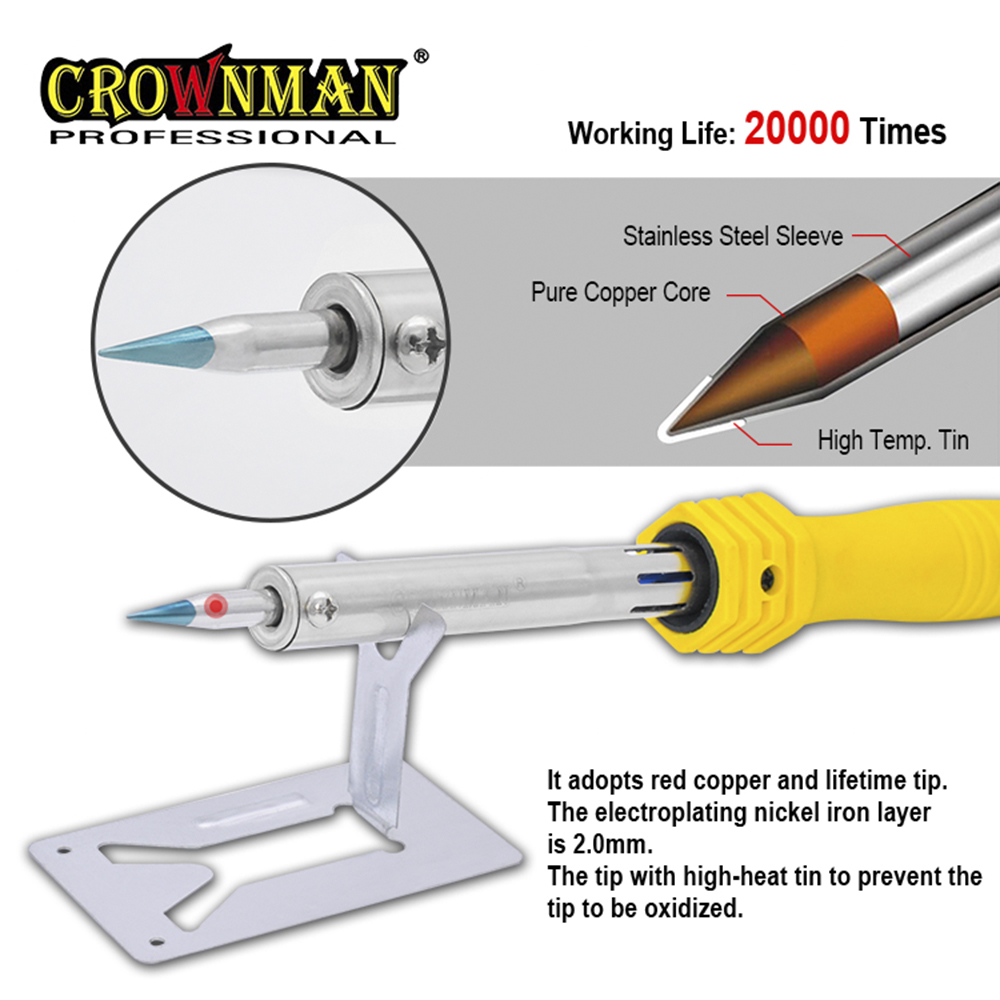
- Tip Plating Thickness: Measure the iron and chrome plating layers on the copper core to ensure longevity.
- Thermal Calibration: Test digital models against external thermocouples to verify display accuracy.
Ensure consistent quality across your bulk soldering iron orders with on-the-ground factory inspection and technical auditing.
Talk to our teamCompliance and Market Certifications
Soldering irons are high-heat, mains-voltage devices, making them subject to stringent regulatory oversight in major markets. Customs delays or product recalls are significant risks if documentation is incomplete or falsified.
- North America: Requires UL or ETL listing. The factory must provide valid testing reports for the specific model, not just the power cord.
- Europe: CE marking is mandatory, encompassing both the Low Voltage Directive (LVD) and Electromagnetic Compatibility (EMC).
- Global: RoHS compliance is required to ensure the plastics, cables, and internal solders are free of restricted hazardous substances.
Working with a partner who handles Compliance & Testing ensures that your products meet all regional legal requirements before they leave the factory floor.
Executing OEM/ODM Customization
Many brands choose to develop custom soldering irons rather than buying off-the-shelf white-label products. This can range from simple aesthetic changes to full bespoke engineering.
Cosmetic Customization
Specifying custom Pantone colors for the injection-molded handle and adding silk-screened or laser-etched logos.
Ergonomic Tooling
Opening new molds for the handle grip to improve user comfort and differentiate the product silhouette in the market.
Electronic PCB Design
Customizing the digital display, integrating smart features like auto-sleep sensors, or adjusting the PID algorithm.
Developing a reliable product from scratch requires close coordination with the factory's engineering team. Leveraging professional OEM/ODM Services can drastically reduce your time-to-market and tooling costs.
Typical MOQs, Pricing, and Lead Times
Production metrics vary significantly based on the level of customization and the grade of the internal components.
Pricing is highly sensitive to the price of raw copper (for the tips and wiring) and the origin of the heating element (domestic Chinese vs. imported Japanese ceramic cores).
Optimize your procurement strategy, negotiate better terms, and secure reliable production capacity with vetted manufacturers.
Get a free consultationFrequently Asked Questions
Successfully sourcing soldering irons at scale requires moving past surface-level specifications and actively managing the technical realities of electrical manufacturing. By partnering with experienced sourcing professionals, you can mitigate quality risks, ensure regulatory compliance, and build a highly resilient hardware supply chain.
Get Sourcing Help for Soldering Irons
Tell us your requirements and our experts will connect you with verified manufacturers.