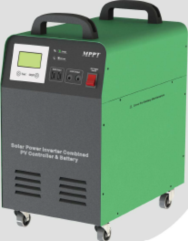
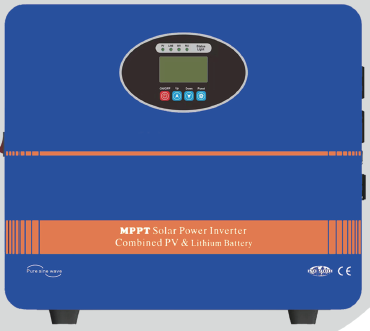
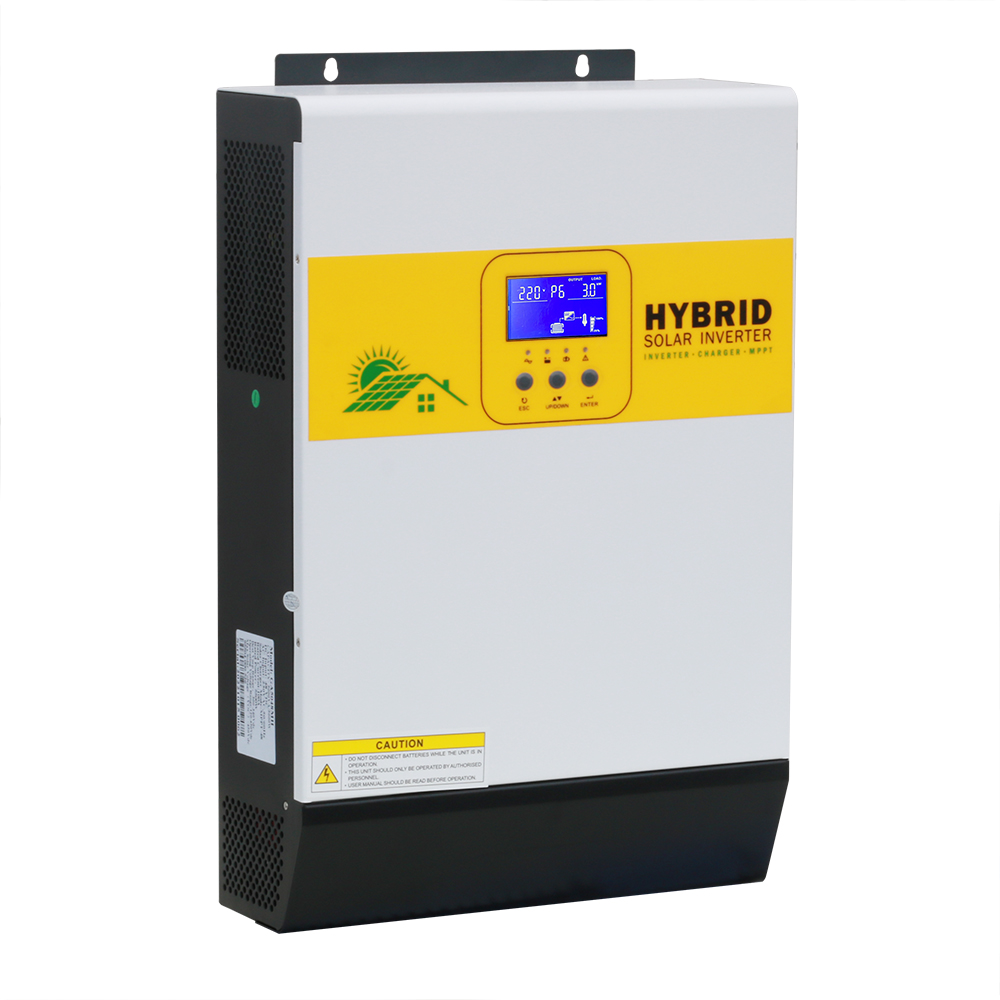
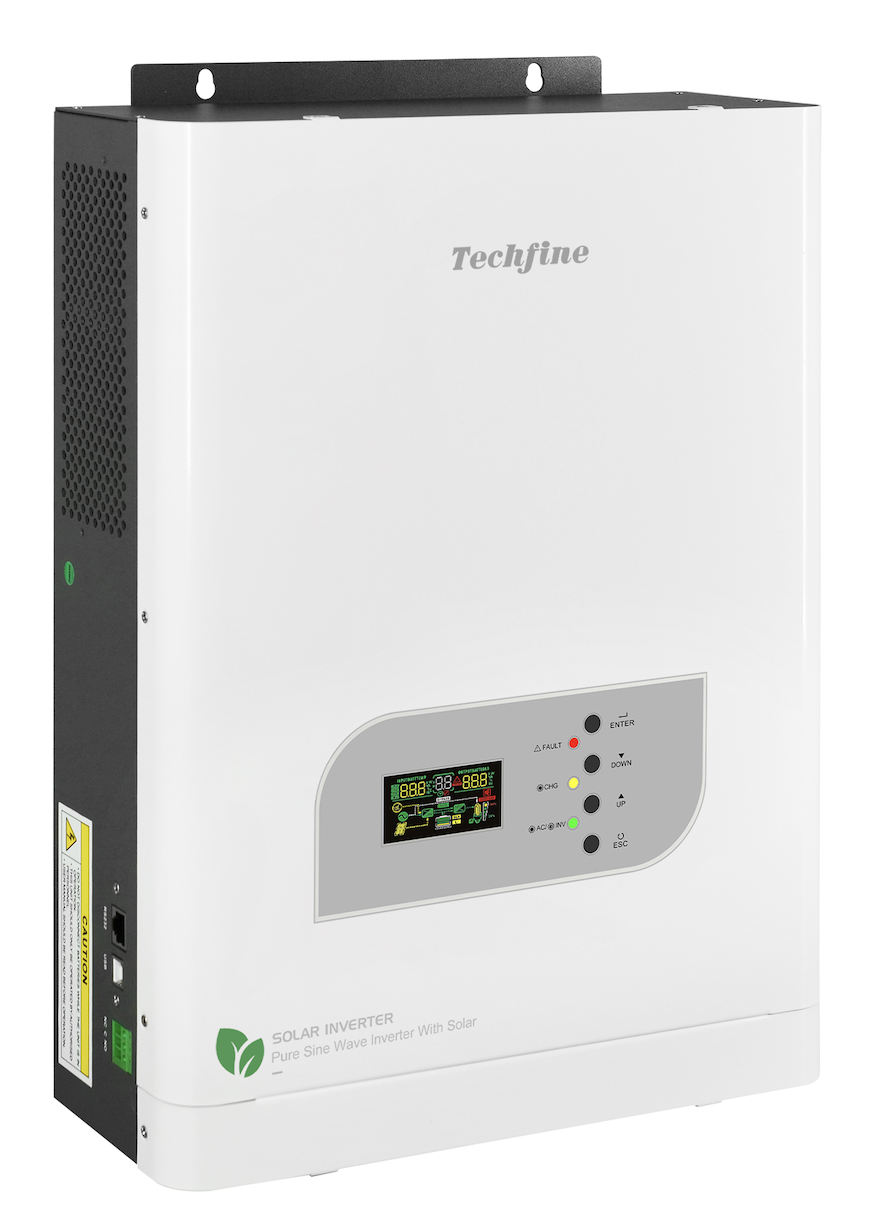
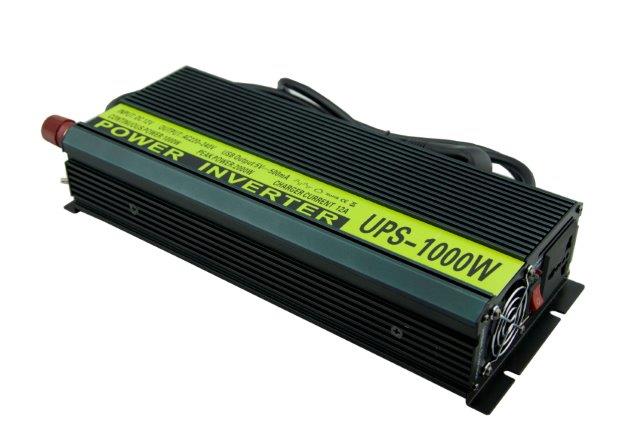
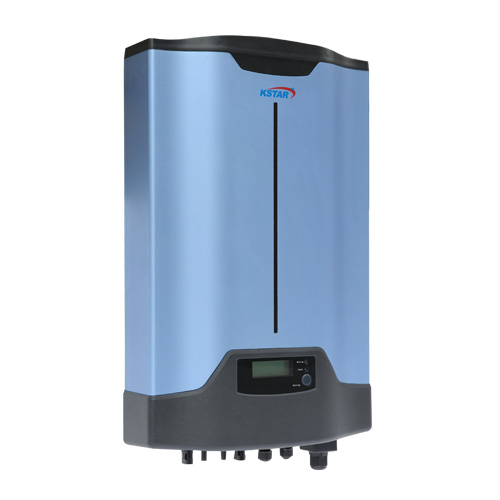
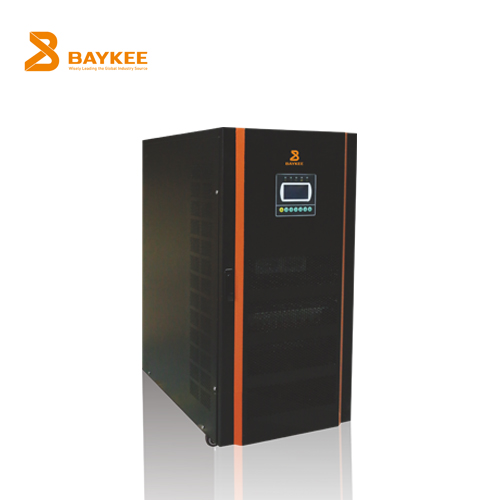
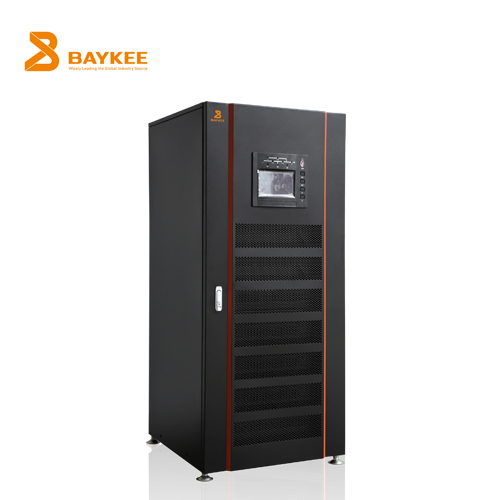
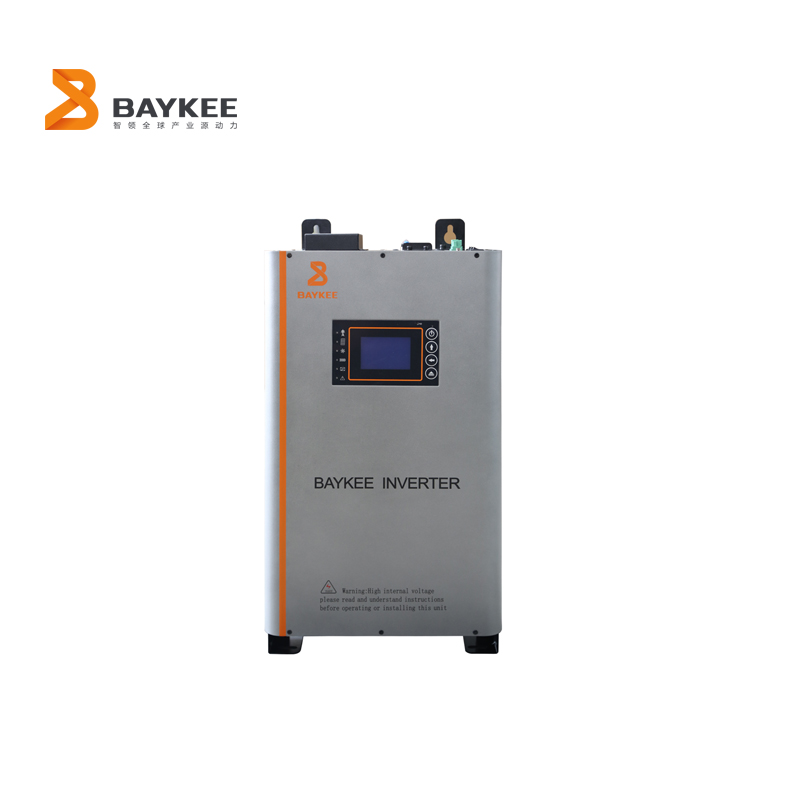
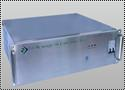
Solar Inverters
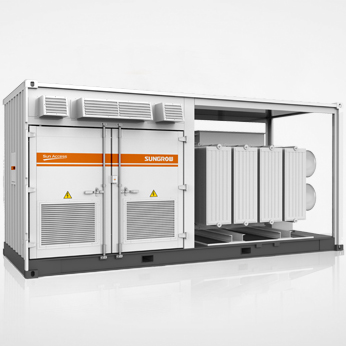
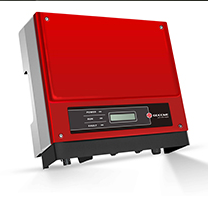
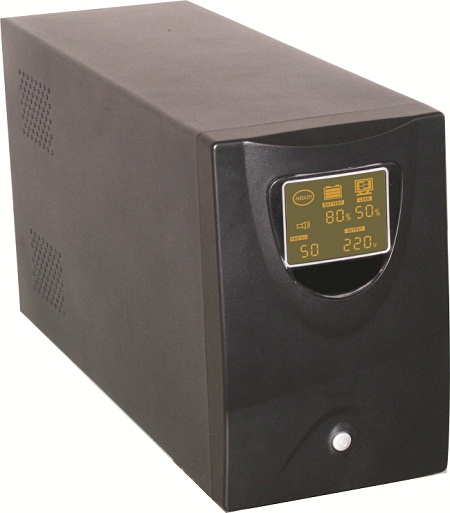
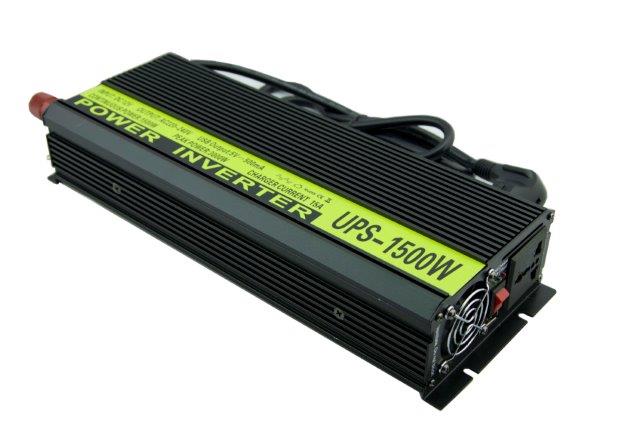
Source commercial and residential solar inverters from vetted manufacturers and wholesale suppliers. Designed for importers, renewable energy distributors, and brands seeking reliable OEM and private-label production. Ensure strict grid compliance and high conversion efficiency for your bulk orders.
Solar inverters are the critical failure point in any photovoltaic system; if the inverter fails, the entire array stops generating usable power. When sourcing solar inverters in bulk, the primary challenge is not simply finding an assembly plant. The real difficulty lies in ensuring rigorous component selection, robust thermal management, and strict adherence to complex regional grid codes. Partnering with the right manufacturer requires verifying their engineering capabilities and supply chain traceability.
Critical Specifications for Bulk Sourcing
Procuring inverters requires precise technical documentation. Vague RFQs result in factories substituting cheaper internal components to win your bid based on price. To ensure a reliable product, your specifications must dictate the performance boundaries.
Essential RFQ Specifications
- Topology and Isolation: Specify transformerless (high efficiency, lighter) or galvanically isolated (necessary for specific grounding requirements).
- MPPT Channels: Define the number of independent Maximum Power Point Tracking inputs to handle arrays with varying orientations or shading.
- Efficiency Metrics: Require both peak efficiency and weighted efficiency (such as CEC or Euro efficiency) to reflect real-world performance.
- Power Quality: Mandate a pure sine wave output with Total Harmonic Distortion (THD) strictly under 3%.
- Thermal Derating: Specify the ambient temperature at which the inverter must begin derating its power output (e.g., derating starts at 45°C).
- Enclosure and Cooling: Define the IP rating (IP65 or NEMA 4X for outdoor use) and cooling method (natural convection vs. active fan cooling).
Navigating regional grid compliance and factory selection? Let our engineers help you vet capable inverter manufacturers and secure reliable production.
Talk to our teamManufacturing Quality and Component Traceability
The lifespan of a solar inverter is heavily dictated by the quality of its internal components. Tier-1 manufacturers use premium Insulated-Gate Bipolar Transistors (IGBTs) from brands like Infineon, Digital Signal Processors (DSPs) from Texas Instruments, and high-end electrolytic capacitors. Lower-tier factories often substitute these with domestic equivalents that degrade rapidly under high thermal loads.
Conducting thorough Factory Audits is essential before placing an order. You must verify that the factory has direct, authorized supply chains for these critical silicon components and is not buying from gray-market brokers where counterfeit chips are common.
The Production and Testing Process
Quality cannot be inspected into an inverter; it must be built into it. However, rigorous end-of-line testing is non-negotiable.
SMT and PCB Assembly
Surface Mount Technology lines populate the control and power boards. Automated Optical Inspection (AOI) should be used to check for solder bridges or missing components.
Conformal Coating
PCBs must receive an even, automated application of conformal coating to protect against moisture, dust, and thermal stress.
Assembly and Potting
Inductors and transformers are installed. High-end models often use potting compounds around magnetic components to improve heat dissipation and reduce acoustic noise.
Burn-in Testing
Fully assembled units must undergo a full-load burn-in test in a high-temperature chamber (typically 40°C to 50°C) for 12 to 24 hours to catch early infant mortality failures.
Implementing professional Quality Control & Inspection during the burn-in phase ensures that failing units are caught before they are containerized and shipped.
OEM/ODM Customization for Inverter Brands
For brands looking to establish their own line of solar inverters, factories offer extensive customization. Beyond simply printing a logo on the chassis, true OEM/ODM Services allow you to differentiate your product in the market.
Customization typically focuses on the monitoring ecosystem and localized firmware. You can specify custom Wi-Fi or 4G data loggers, integrate the inverter's data feed with your proprietary mobile application via API, or customize the LCD display interface. Additionally, the firmware must be tailored to meet the specific grid parameters (voltage, frequency, and anti-islanding trip times) of your target import market.
Pricing, MOQs, and Lead Times
Inverter pricing is highly dependent on the topology (string, micro, or hybrid/battery-ready), the capacity (kW), and the origin of the internal components.
Factories will quote lower prices for non-certified units. However, importing inverters without the correct regional certifications makes them illegal to connect to the grid in most developed markets, rendering them useless to your end customers.
Need to secure scalable production capacity for your solar brand? We handle supplier negotiation, compliance verification, and end-to-end supply chain management.
Get a free consultationSourcing FAQ
Securing a reliable supply of solar inverters requires looking past the factory's marketing materials and directly at their engineering capabilities and supply chain. When you prioritize component traceability and rigorous end-of-line testing, you protect your brand from catastrophic field failures and costly recalls.
Get Sourcing Help for Solar Inverters
Tell us your requirements and our experts will connect you with verified manufacturers.