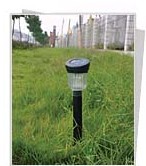
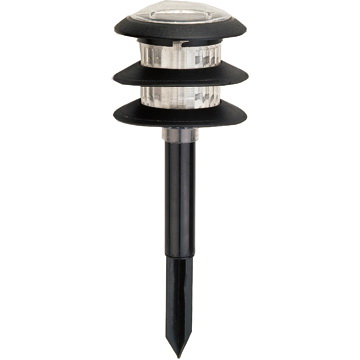
Solar Garden Lights
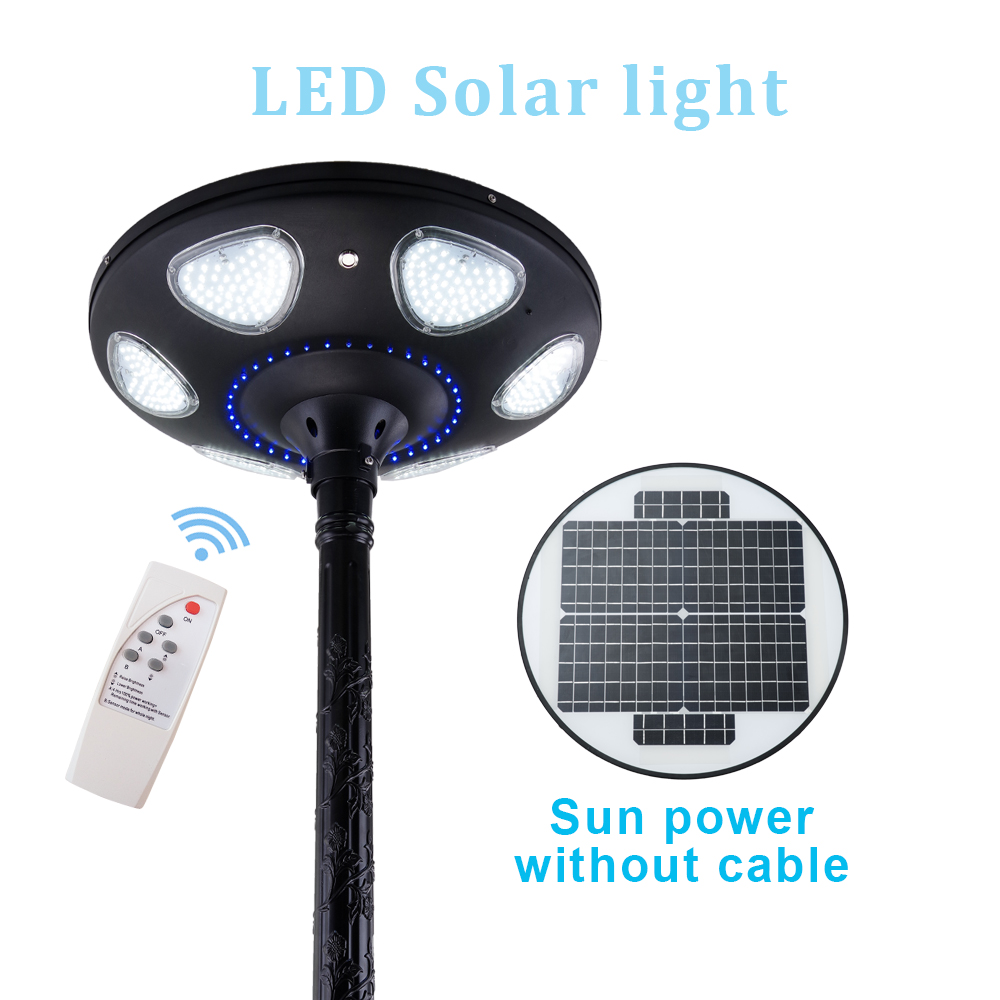
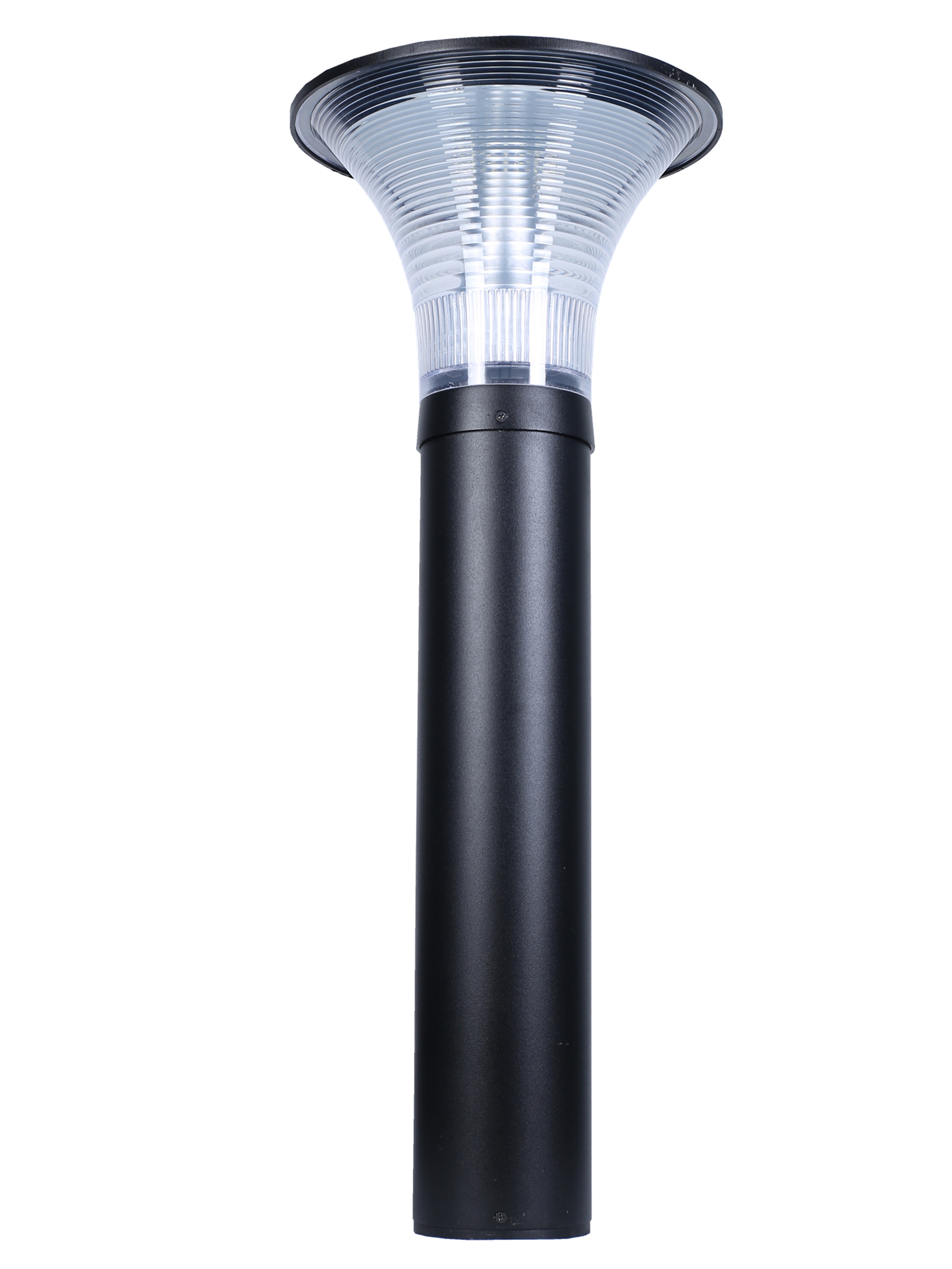
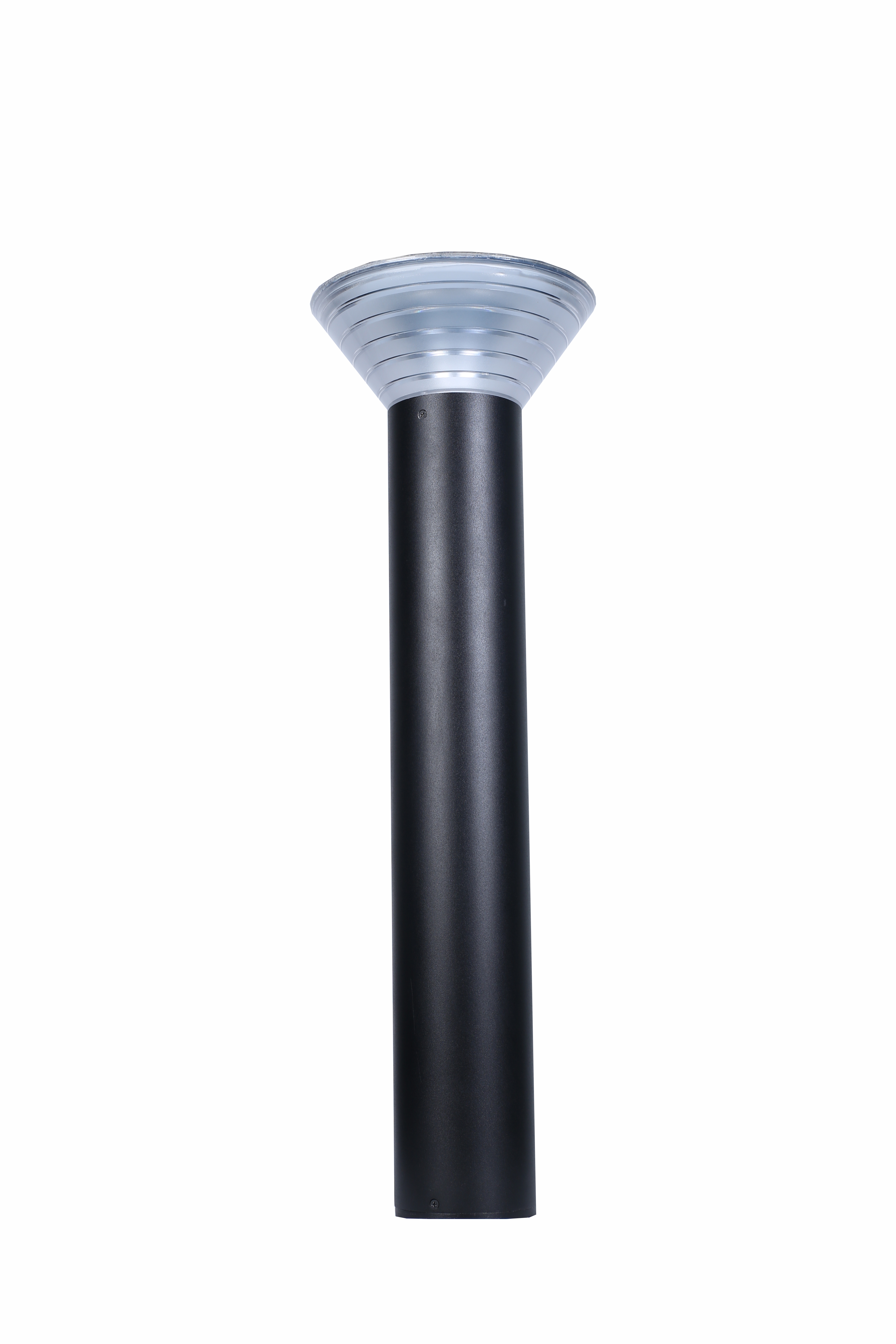
Source premium solar garden lights in bulk from vetted manufacturers and suppliers. Designed for importers, wholesalers, distributors, and brands seeking reliable OEM/private-label production, our network delivers high-performance outdoor lighting solutions at competitive wholesale prices.
Sourcing solar garden lights at scale requires balancing aesthetic design with rugged outdoor durability and reliable energy conversion. For volume buyers, the core challenge lies in component alignment: pairing the right photovoltaic panel with an appropriate battery chemistry and LED driver to ensure consistent lumen output, even in low-sunlight conditions. A failure in any single component compromises the entire unit's lifespan and performance in the field.
Core Component Specifications
When evaluating a manufacturer's technical capabilities, you must look past the external housing and scrutinize the internal energy ecosystem. The difference between a unit that lasts one season and one that performs for years comes down to panel lamination, battery chemistry, and intelligent power management.
| Component | Standard / Budget Build | Premium / Commercial Build |
|---|---|---|
| Solar Panel | Polycrystalline (PET laminated) | Monocrystalline (Glass/Epoxy laminated) |
| Battery Chemistry | Ni-MH or Standard Li-ion (18650) | LiFePO4 (Lithium Iron Phosphate) |
| Housing Material | Standard ABS Plastic | Die-cast Aluminum or UV-stabilized Polycarbonate |
| Charge Controller | Basic PWM | MPPT (Maximum Power Point Tracking) |
Monocrystalline panels offer higher conversion efficiencies (typically 20 to 24 percent) compared to polycrystalline alternatives. Furthermore, the lamination method dictates the panel's lifespan. PET lamination often clouds and degrades under UV exposure within 12 to 18 months, severely reducing energy harvest. For long-term reliability, specify glass or high-grade epoxy lamination.
Struggling to verify component quality and battery specifications across different suppliers? Let our sourcing engineers handle the technical vetting.
Talk to our teamManufacturing Quality and Common Defects
The factory floor is where theoretical designs either succeed or fail. Water ingress and premature battery failure are the leading causes of RMA (Return Merchandise Authorization) requests in this category. If you are developing custom models through OEM/ODM Services, rigorous testing protocols must be established before mass production begins.
Critical Pre-Shipment Inspection Points
- IP Rating Verification: Ensure IP65 or IP67 claims are backed by actual water ingress testing.
- Battery Capacity Testing: Use load testers to confirm the actual mAh matches the specified capacity.
- Housing UV Resistance: Verify that plastic components contain UV stabilizers to prevent yellowing and brittleness.
- Solder Joint Integrity: Inspect the connections between the solar panel, PCB, and battery for cold solder joints.
Implementing comprehensive Quality Control & Inspection during assembly is non-negotiable. It is far more cost-effective to catch a batch of poorly sealed housings on the assembly line than to process hundreds of customer returns due to water damage.
Production Economics: MOQs, Pricing, and Lead Times
Wholesale pricing for solar garden lights is highly volatile, driven largely by the commodity costs of lithium, aluminum, and monocrystalline silicon.
When negotiating with factories, be wary of prices that fall significantly below the market average. These are almost always achieved by substituting battery capacity (e.g., swapping a 2000mAh cell for a 1200mAh cell wrapped in a misleading label) or using lower-grade LED chips that suffer from rapid lumen depreciation.
Need accurate pricing, realistic MOQs, and reliable lead times for your next solar lighting order? We negotiate terms directly with top-tier factories.
Get a free consultationCompliance and Market Requirements
Importing solar garden lights into major markets requires strict adherence to regional safety and environmental standards. Ensure your supplier can provide valid, verifiable test reports for their specific components, not just generic factory-level certificates.
- CE & RoHS: Mandatory for the European market, ensuring electrical safety and the restriction of hazardous substances in the PCB and batteries.
- FCC: Required for the US market to ensure the charge controllers and internal electronics do not emit harmful electromagnetic interference.
- UN38.3 & MSDS: Absolutely critical for shipping. Because these lights contain lithium batteries, freight forwarders will not load your cargo without these safety transport certifications.
If a supplier cannot produce these documents, you will need to arrange independent Compliance & Testing before shipping, which adds lead time and cost to your sourcing cycle.
Successfully sourcing solar garden lights requires moving beyond the product catalog and digging into the bill of materials. By specifying the exact panel lamination, battery chemistry, and IP testing protocols upfront, you protect your brand from costly field failures. When you are ready to scale your procurement with verified manufacturers, a structured sourcing strategy makes all the difference.
Get Sourcing Help for Solar Garden Lights
Tell us your requirements and our experts will connect you with verified manufacturers.