Sockets
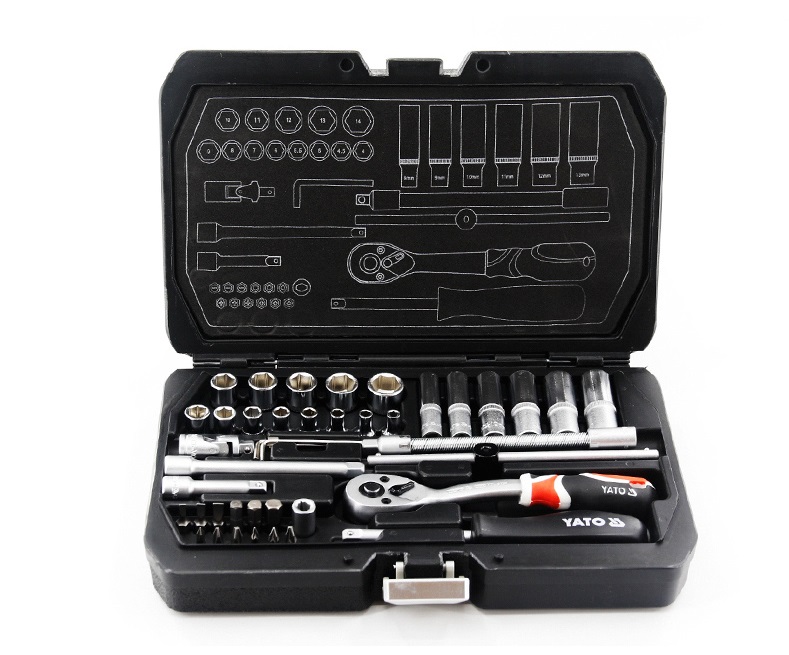
Source high-quality sockets from vetted manufacturers and wholesale suppliers. Designed for importers, distributors, and hardware brands looking for reliable OEM and private-label production, our network delivers precision-forged hand tools built to meet rigorous industrial standards and high-volume demands.
Sourcing sockets in bulk requires strict attention to metallurgical consistency and machining precision. A socket that shatters under high torque or rounds off a fastener damages both the user's workpiece and your brand's reputation. Navigating the supplier landscape in Asia means distinguishing between factories capable of precise cold-forging and those cutting corners on raw materials or heat treatment.
Material Selection and Forging Specifications
The foundation of a reliable socket is its steel grade. While many suppliers claim to use "Chrome Vanadium," the specific alloy composition dictates the tool's performance and durability.
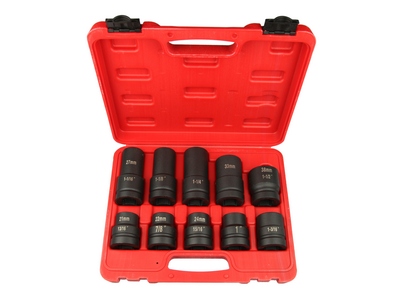
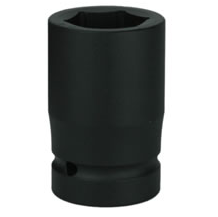
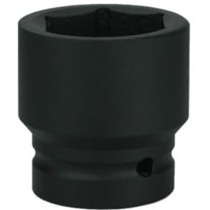
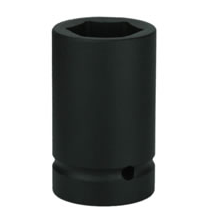
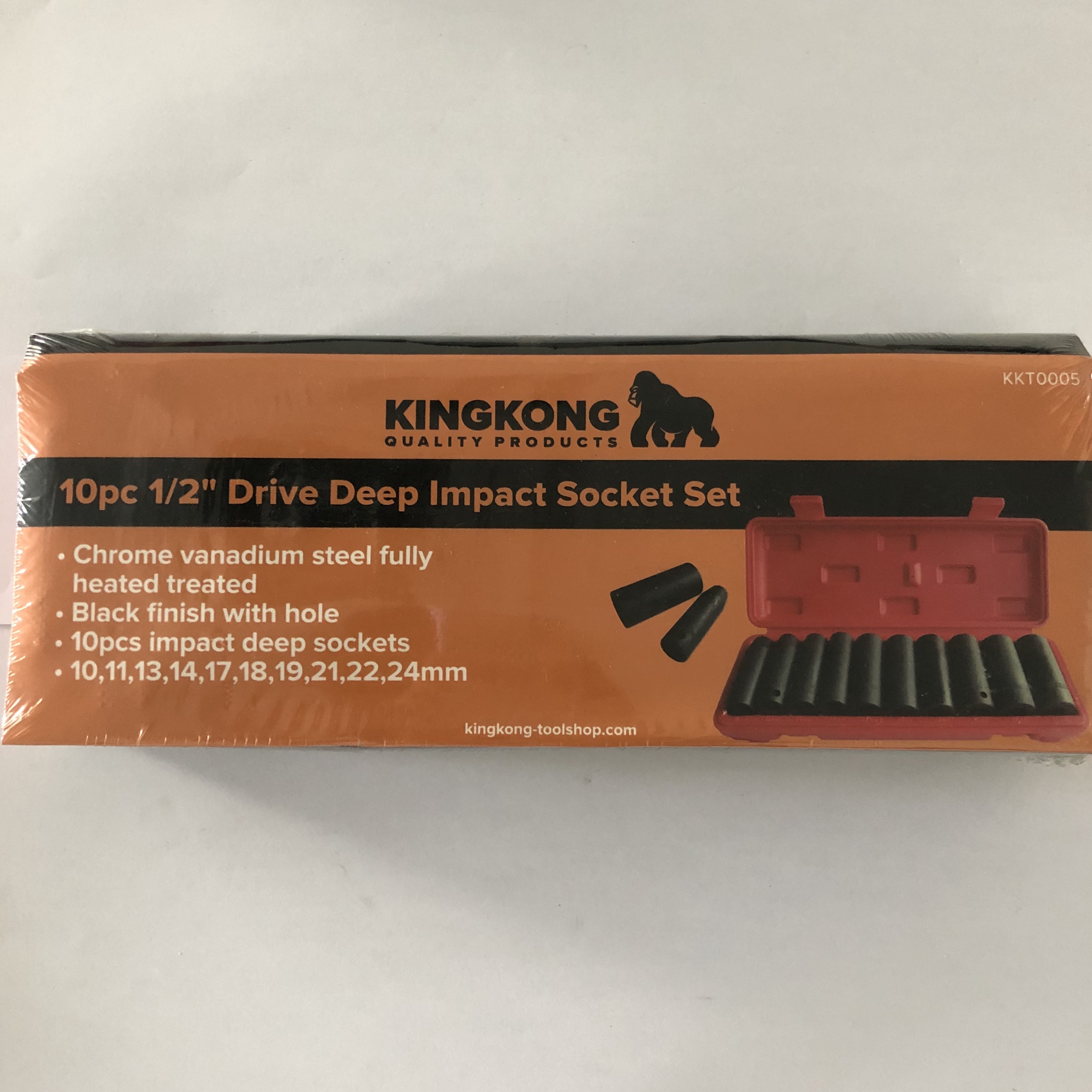
For standard hand sockets, 50BV30 (a premium grade of Cr-V) is the industry standard, offering an optimal balance of hardness and wear resistance. For impact sockets, which must absorb rapid, high-torque shocks without shattering, Chrome Molybdenum (Cr-Mo), typically SCM440, is strictly required.
| Specification | Standard Hand Sockets | Impact Sockets |
|---|---|---|
| Material Grade | Cr-V (50BV30 or 6150) | Cr-Mo (SCM440) |
| Target Hardness | HRC 42-48 | HRC 38-45 |
| Manufacturing Process | Cold Forged | Hot or Cold Forged |
| Standard Finish | Chrome / Nickel Plated | Black Phosphate / Oxide |
Verifying that a factory actually uses the specified steel grade rather than a cheaper alternative is a common sourcing challenge. This is where on-site factory audits become critical, allowing you to review raw material purchasing records and incoming material inspection logs before production begins.
Need to verify a supplier's raw material sourcing and forging capabilities? Let our experts handle the vetting process.
Talk to our teamManufacturing Tolerances and Heat Treatment
The critical failure point for most poorly manufactured sockets is the heat treatment process. If the steel is quenched too rapidly or tempered at the wrong temperature, the socket becomes brittle (prone to cracking) or too soft (prone to rounding out).
Consistent heat treatment requires continuous mesh-belt furnaces with precise atmospheric controls. Factories using outdated batch furnaces often produce sockets with uneven hardness profiles.
Critical Quality Control Checks
To ensure compliance with international standards like ANSI B107 or DIN 3124, your quality control protocol must include specific physical and dimensional tests.
Essential Socket QC Testing
- Proof Torque Testing: Applying maximum specified torque to ensure no permanent deformation.
- Hardness Testing: Rockwell (HRC) testing at multiple points (drive end and hex end).
- Dimensional Accuracy: Go/No-Go gauge testing on the hex/bi-hex opening and square drive.
- Plating Adhesion: Cross-hatch or salt spray testing (typically 48 to 72 hours) to verify rust resistance.
- Concentricity Check: Ensuring the drive square and hex opening are perfectly aligned.
Customization and OEM Branding
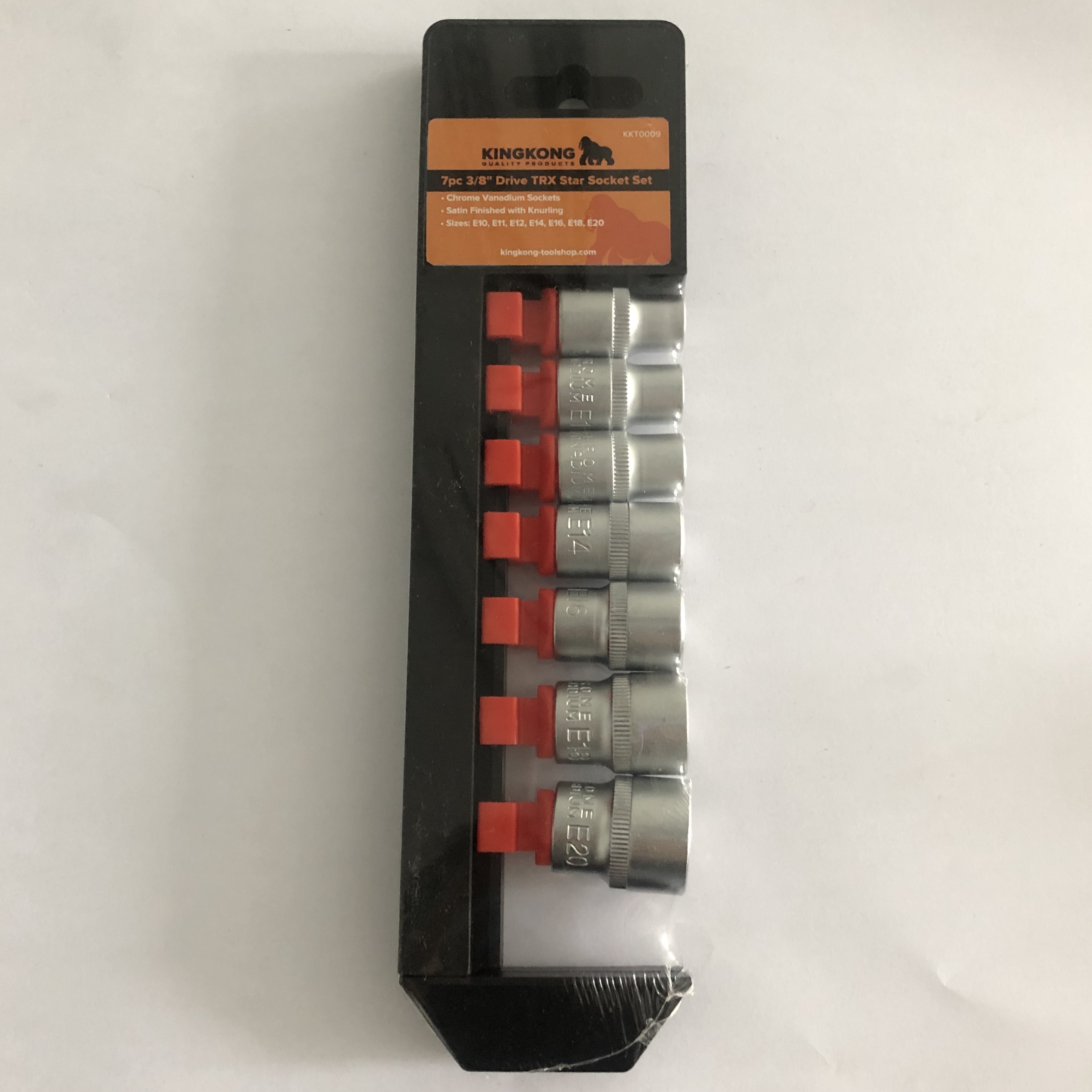
For brands building a proprietary tool line, sockets offer several avenues for customization. OEM/ODM services can facilitate custom knurling patterns for better grip, specific broaching (6-point vs. 12-point, or specialized spline drives), and high-visibility laser etching or deep stamping for size identification.
When specifying stamped logos or sizes, ensure the factory performs the stamping before heat treatment to prevent micro-fractures in the steel.
Typical MOQs, Pricing, and Lead Times
Socket production is a high-volume, automated process. Minimum Order Quantities (MOQs) are heavily dictated by the forging dies and the electroplating runs.
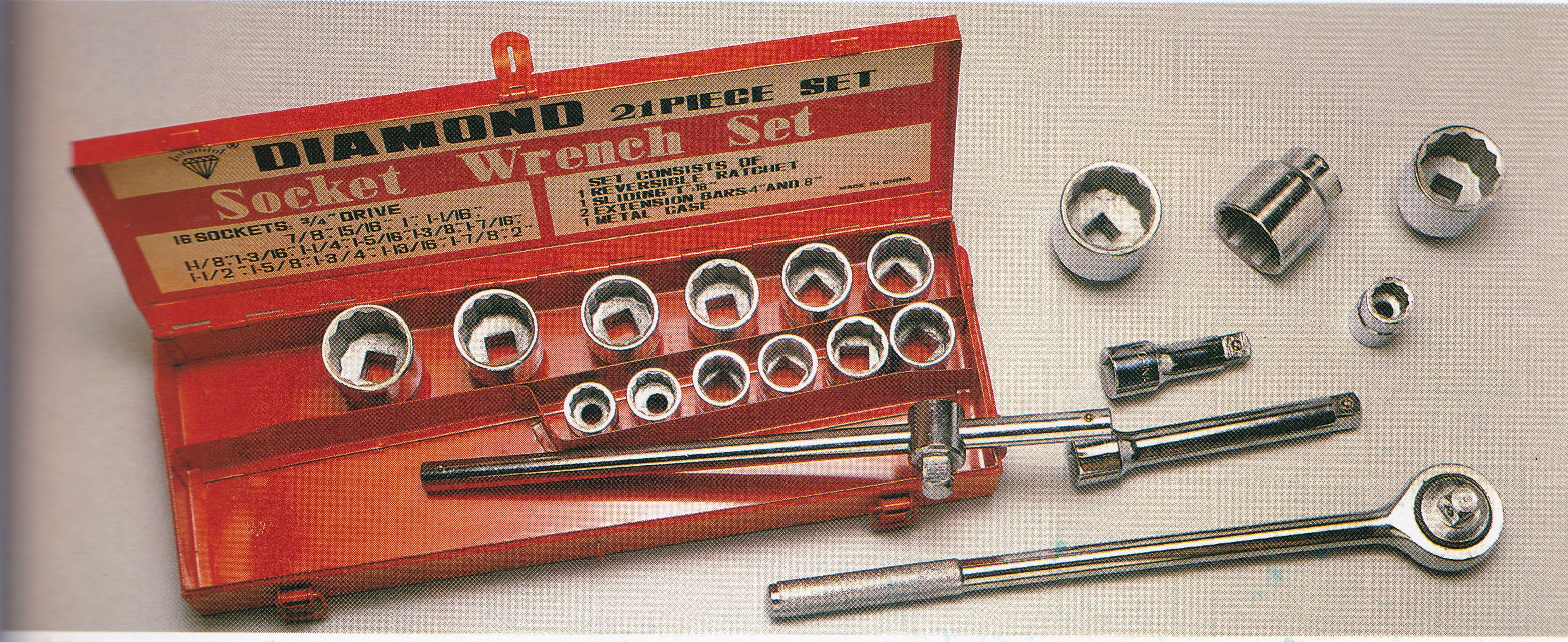
Pricing fluctuates based on global steel indices and the complexity of the finish (e.g., matte chrome vs. mirror polish). Consolidating multiple sizes into complete sets (e.g., 1/4", 3/8", and 1/2" drive sets) can often help negotiate better overall pricing and spread the tooling costs.
Planning a high-volume socket order? We can help negotiate MOQs, manage tooling costs, and secure competitive pricing.
Get a free consultationFrequently Asked Questions
Sourcing reliable sockets requires looking past polished finishes to verify the underlying metallurgy and machining tolerances. By partnering with manufacturers who maintain strict control over their forging and heat-treatment processes, you ensure your tools perform under pressure. If you are ready to optimize your hand tool supply chain, professional sourcing support can bridge the gap between your specifications and factory execution.
Get Sourcing Help for Sockets
Tell us your requirements and our experts will connect you with verified manufacturers.