Sock Knitting Machines
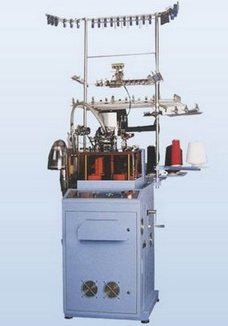
Source high-performance computerized sock knitting machines from vetted manufacturers and suppliers. Designed for importers, distributors, and textile manufacturers scaling their production, our wholesale network offers reliable single and double-cylinder equipment for plain, terry, and jacquard knitting.
Sourcing industrial knitting machinery is an exercise in risk management. A machine's upfront cost is secondary to its uptime, defect rate, and ease of maintenance. When procuring sock knitting machines in volume from Asian manufacturers, buyers must look past top-line production claims and scrutinize the internal components, pneumatic systems, and software stability that dictate long-term profitability.
Critical Specifications for Volume Buyers
Defining your requirements goes far beyond specifying "computerized." The precise configuration of the cylinder, needles, and control systems determines what markets you can serve and at what margins.
- Cylinder Diameter & Needle Count: The standard for adult socks is typically a 3.75-inch cylinder. Needle counts range from 84N (thick winter or sports socks) up to 200N (fine dress socks). Specifying the correct needle count is critical, as changing it post-purchase requires a complete cylinder and dial replacement.
- Feeds and Color Capacity: Modern machines typically feature one main feed and five pattern feeds, allowing for up to 16 colors in a single sock.
- Motor and Control Systems: Look for machines utilizing high-precision servo motors rather than standard AC motors. Stepping motors controlling the elastic yarn and stitch density are essential for consistent sizing across production runs.
| Machine Type | Primary Application | Mechanical Complexity | Typical Output (24h) |
|---|---|---|---|
| Single Cylinder (Plain/Terry) | Athletic, casual, and dress socks | Moderate | 300 to 350 pairs |
| Double Cylinder | True ribbed and premium dress socks | High | 180 to 220 pairs |
Evaluating Manufacturer Capabilities
The global hub for sock knitting machinery is Zhuji (specifically the Datang area) in Zhejiang province, China. While the concentration of suppliers here is high, the variance in quality is extreme. Many "manufacturers" are merely assembly workshops buying off-the-shelf components and slapping on a custom logo.
Verifying a supplier's true machining capabilities requires thorough Factory Audits to ensure they control the tolerances of their cylinders and cams.
Key Components to Scrutinize During Factory Assessment
- Actuators: Check if they use reliable piezoelectric ceramic actuators (often imported) for precise needle selection.
- Pneumatic Systems: Verify the brand of pneumatic valves and cylinders; cheap valves fail quickly under continuous operation.
- Sensors: Ensure comprehensive auto-stop sensors for yarn breakage, needle breakage, and irregular mechanical movement.
- Control Software: Confirm the controller board supports standard design formats (like .bmp or .pat) and offers stable, multi-language interfaces.
Need help vetting machinery suppliers in Zhejiang? Our engineering team can verify factory capabilities and component quality before you place an order.
Discuss your machinery requirementsSourcing Mechanics: Pricing, MOQ, and Logistics
Purchasing industrial machinery operates on different mechanics than standard consumer goods. MOQs are naturally low, but the logistics and quality assurance processes are highly specialized.
Pricing is heavily dictated by the origin of the internal components. A machine using Japanese or Taiwanese servo motors, bearings, and actuators will command a premium over one using domestic equivalents, but the investment pays off in reduced downtime.
Because machinery is difficult and expensive to return, comprehensive Quality Control & Inspection prior to shipment is non-negotiable. This should include a continuous running test (often 24 to 48 hours) to check for software glitches, oil leaks, and consistent stitch tension. Once cleared, coordinating the transport of these heavy, sensitive assets requires specialized Shipping & Freight solutions to ensure they arrive calibrated and undamaged.
Planning a machinery import? Let us handle the factory testing, export crating, and heavy freight logistics.
Get a logistics quoteFrequently Asked Questions
Success in sourcing sock knitting machinery comes down to total cost of ownership. A machine that costs a few hundred dollars less upfront but suffers from frequent needle breaks or actuator failures will quickly erase those savings in lost production and wasted yarn. Partnering with a team that understands the nuances of textile machinery manufacturing ensures you invest in equipment built for continuous, profitable operation.
Get Sourcing Help for Sock Knitting Machines
Tell us your requirements and our experts will connect you with verified manufacturers.