Soap Making Machines
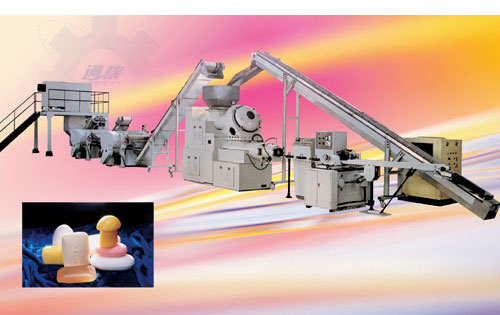
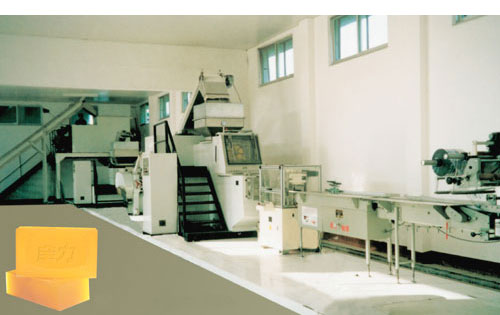
Source industrial-grade soap making machines from vetted manufacturers and suppliers in China and across Asia. Designed for equipment importers, distributors, and manufacturing brands, our wholesale catalog features reliable production lines for high-volume soap manufacturing.
Sourcing soap manufacturing equipment requires balancing production capacity with long-term mechanical reliability. A poorly integrated production line leads to inconsistent extrusion, frequent downtime, and wasted raw materials. When procuring chemical machinery from overseas manufacturers, success depends on strict attention to metallurgy, motor specifications, and control systems to ensure the equipment performs reliably under continuous, high-volume operation.
Core Specifications for Soap Production Lines
Whether you are configuring a line for laundry soap, toilet soap, or translucent glycerin bars, the technical specifications must align exactly with your raw material inputs (soap noodles vs. raw fats/oils) and target output.
Key specifications to define with your manufacturer include:
- Material Grades: All contact parts (wetted parts) must be fabricated from SS304 or SS316L stainless steel to resist corrosion from caustic soda, fatty acids, and brines. The frame can be carbon steel with anti-corrosion paint to save costs, but never compromise on the contact surfaces.
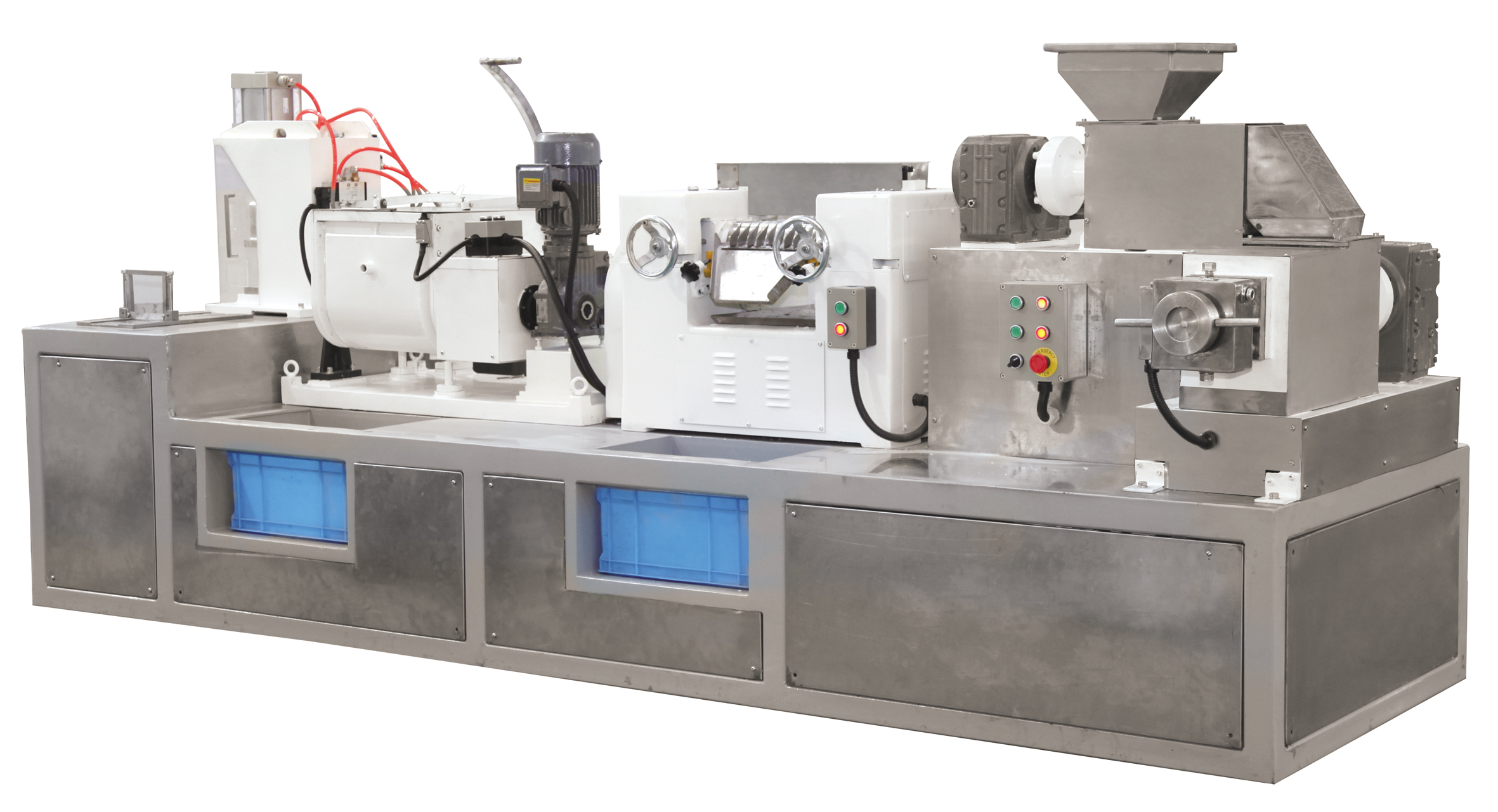
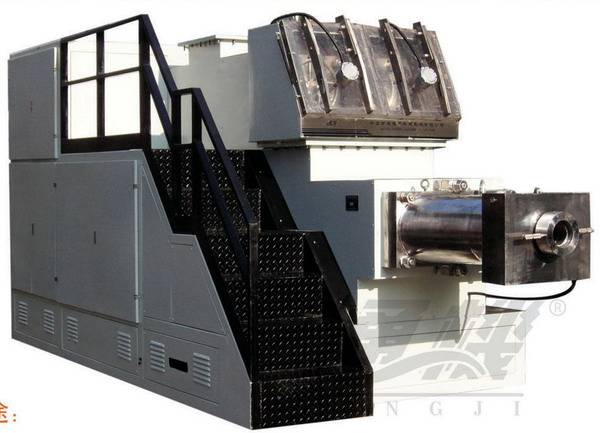
- Plodder (Extruder) Configuration: The plodder determines the density and surface finish of the final bar. Single plodders are sufficient for basic laundry soap, but high-quality toilet soaps require double vacuum plodders to remove trapped air and prevent cracking.
- Cooling Systems: Specify the chilling capacity required for the cooling dies and stamping machines, especially if operating in high-ambient-temperature environments.
- Automation and Controls: Specify internationally recognized brands for PLCs, inverters, and electrical components (e.g., Siemens, Schneider, Omron). This ensures you can source replacement parts locally without relying on the original overseas factory.
| Production Scale | Capacity Range | Typical Application | Plodder Type |
|---|---|---|---|
| Pilot / Small Scale | 100 - 300 kg/h | Boutique brands, hotels | Single Plodder |
| Medium Industrial | 500 - 1,000 kg/h | Regional distribution | Double Vacuum Plodder |
| Large Scale Mass Production | 2,000 and up kg/h | National FMCG brands | Multi-stage Vacuum Plodder |
Ensure your equipment specifications match your production goals with our engineering and sourcing support.
Talk to our teamFactory Vetting and Manufacturing Quality
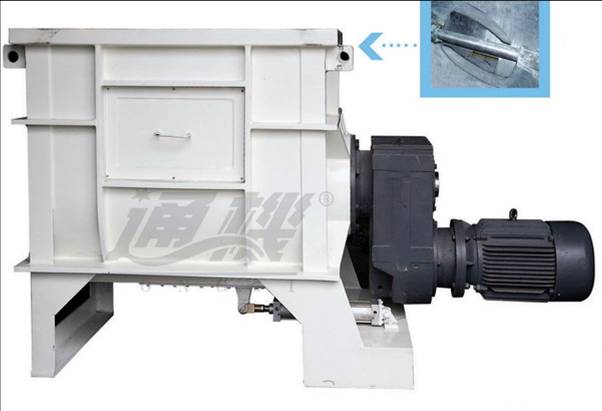
The Asian market features a wide spectrum of machinery suppliers, ranging from true engineering manufacturers with in-house CNC machining to basic assembly workshops. For heavy rotating equipment like amalgamators (mixers) and roll mills, machining precision is non-negotiable. Poorly balanced rollers or weak gearboxes will fail rapidly under the torque required to process dense soap mass.
Conducting thorough factory audits is critical before placing a deposit. You must verify the supplier's in-house machining capabilities, their quality management system (ISO 9001), and their track record of exporting to regions with similar electrical and safety standards (e.g., CE, UL).
The Factory Acceptance Test (FAT)
Never allow machinery to ship without a rigorous FAT. This should be conducted at the manufacturer's facility using your actual raw materials (or an exact equivalent).
Critical FAT Inspection Points
- Continuous run test (minimum 4 to 8 hours) to monitor motor temperatures and gearbox noise.
- Vacuum pressure verification on the double plodder (must hold specified negative pressure).
- Soap bar weight and dimension consistency check post-stamping.
- Verification of all safety interlocks, emergency stops, and guarding.
- Confirmation of electrical component brands against the agreed bill of materials (BOM).
Partnering with a team that can execute strict quality control and inspection on the ground ensures these tests are performed objectively before final payment is released.
Pricing, MOQs, and Lead Times
Industrial soap making machines are typically custom-built or heavily modified to order.
- MOQ: The standard MOQ is 1 set or 1 complete production line.
- Pricing Drivers: Costs scale dramatically based on capacity (kg/h), the grade of stainless steel used, the complexity of the stamping/cutting machinery, and the origin of the electrical components. Upgrading from domestic Chinese motors to premium European or Japanese motors will increase the price but significantly reduce long-term maintenance costs.
- Lead Times: Expect manufacturing lead times of 45 to 90 days, depending on the line's complexity and the factory's current production schedule.
- Logistics: Complete lines require multiple shipping containers (often a mix of 20ft and 40ft HQs). Proper export packaging—including vacuum-sealed foil bagging with desiccants and heavy-duty wooden crating—is essential to prevent transit damage and rust. Coordinating this requires experienced shipping and freight management.
Need accurate pricing and lead times for a custom soap production line? Let us negotiate with top-tier manufacturers on your behalf.
Get a free consultationFrequently Asked Questions
Procuring heavy chemical machinery from overseas is an exercise in risk management as much as cost reduction. By enforcing strict component specifications, demanding rigorous on-site testing, and managing the complex logistics of industrial freight, you can secure reliable production capacity that delivers a rapid return on investment.
Get Sourcing Help for Soap Making Machines
Tell us your requirements and our experts will connect you with verified manufacturers.