Soap Dispensers
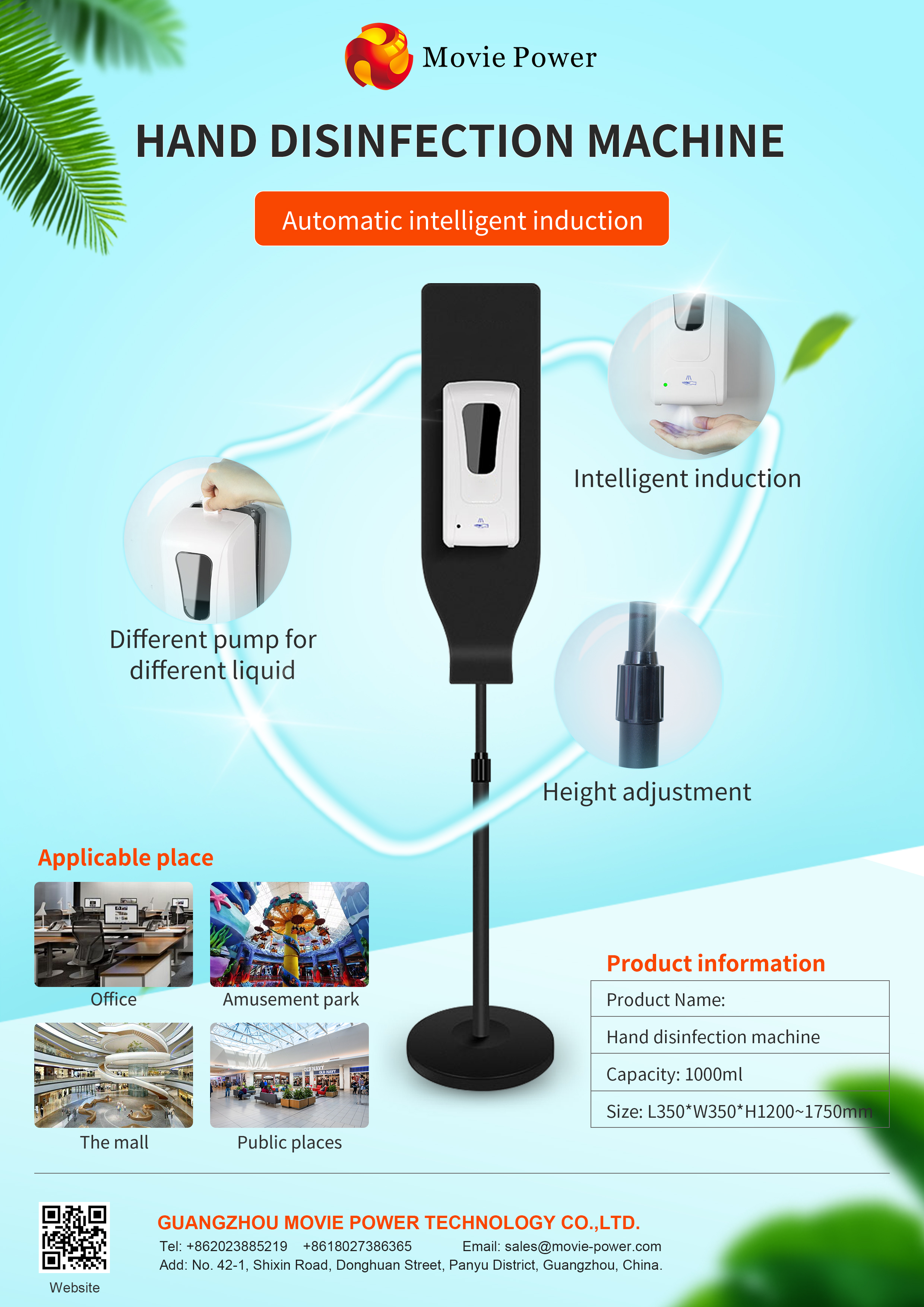
Source premium soap dispensers from vetted manufacturers and wholesale suppliers. Built for importers, distributors, and brands seeking reliable OEM and private-label production, our network delivers scalable manufacturing for both manual and automatic dispensing systems.
Sourcing soap dispensers requires navigating a fragmented supply chain where the difference between a durable fixture and a high-return liability lies entirely in the internal components. Whether you are scaling up a commercial washroom line or launching a consumer smart-home brand, controlling the bill of materials (BOM) and verifying factory capabilities is critical to protecting your margins and brand reputation.
Pump Mechanics and Material Specifications
The core of any soap dispenser—manual or automatic—is the pump mechanism. Factories often cut costs on internal components that are invisible to the buyer but dictate the product's lifespan.
When specifying your order, mandate the grade of the internal spring. A 304 or 316 stainless steel spring is non-negotiable for liquid soap, as inferior 201 steel will rust, contaminating the soap and seizing the pump. For the housing, specify virgin ABS or polycarbonate (PC) for plastics, and strictly 304-grade stainless steel for metal variants to prevent pitting in high-humidity environments.
| Pump Type | Viscosity Handling | Key Internal Component | Typical Application |
|---|---|---|---|
| Standard Liquid | High (Lotion/Gel) | Check valve & heavy spring | Kitchens, heavy-duty commercial |
| Foaming | Low (Water-thin) | Micron mesh screen & air pump | Restrooms, eco-friendly lines |
| Spray/Mist | Very Low (Alcohol/Sanitizer) | Atomizer nozzle | Medical, sanitation stations |
Automatic Dispensers: Sensor and PCB Reliability
Touchless infrared (IR) dispensers introduce electronic failure points. The primary cause of failure in automatic models is moisture penetrating the printed circuit board (PCB) or the battery compartment.
Ensure your manufacturer uses conformal coating or epoxy potting on the PCB. The unit should achieve a minimum IPX4 waterproof rating, though IPX5 is strongly recommended for commercial shower or heavy-splash environments. Since electronic components require strict regulatory adherence in Western markets, you must integrate rigorous Compliance & Testing for CE, FCC, and RoHS certifications early in the sourcing process.
Navigating electronic components and waterproofing standards? Let our sourcing engineers help you verify factory capabilities.
Talk to our teamQuality Control and Defect Prevention
Catching defects on the factory floor is significantly cheaper than processing returns. A robust Quality Control & Inspection protocol should focus on lifecycle testing and leak prevention. Factories should have automated testing rigs that cycle pumps to simulate years of use.
Essential Factory Inspection Points
- Lifecycle testing: Minimum 50,000 cycles for consumer models, 150,000+ for commercial.
- Vacuum seal testing: Ensuring no slow drips from the nozzle after dispensing.
- Drop testing: Verifying ABS housing durability and mounting bracket strength.
- Sensor calibration: Checking IR detection range (typically 3 to 8 cm) and ambient light interference.
Production Economics: MOQs, Pricing, and Lead Times
Pricing in the soap dispenser category is highly dependent on the pump complexity, material grade, and electronic integrations. While off-the-shelf manual dispensers are cheap, customizing housings or developing proprietary smart-dispensing technology requires significant tooling investment.
If you are developing a unique form factor, partnering with a supplier that offers dedicated OEM/ODM Services is essential. Custom injection molds for ABS housings typically range from $3,000 to $8,000, depending on the complexity and the number of cavities.
Planning a custom dispenser line? We can help you negotiate tooling costs and manage the OEM process from end to end.
Get a free consultationFrequently Asked Questions
Successfully sourcing soap dispensers at scale means looking past the outer shell and scrutinizing the engineering within. By enforcing strict material standards for pumps and PCBs, and validating those standards through rigorous inspection, you can build a highly profitable product line that stands up to daily abuse.
Get Sourcing Help for Soap Dispensers
Tell us your requirements and our experts will connect you with verified manufacturers.