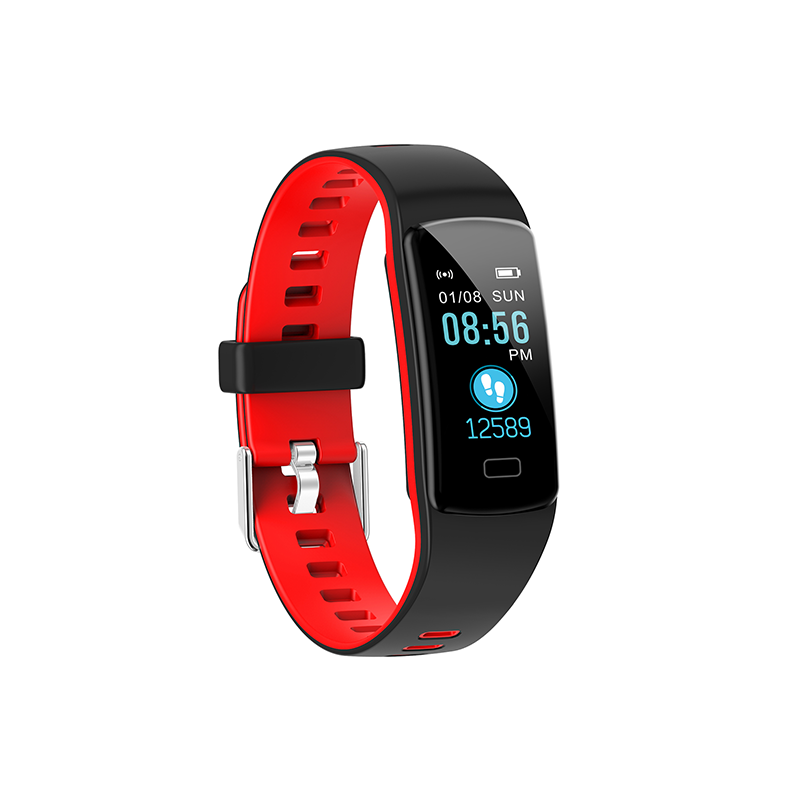
Smart Watches
Source Smart Watches from vetted manufacturers and wholesale suppliers across Asia. Designed for electronics importers, distributors, and brands seeking reliable OEM and private-label production, this catalog connects you with high-capacity factories capable of delivering volume orders with strict quality control.
Sourcing smart watches at volume requires navigating a highly fragmented supply chain. The difference between a premium wearable and a high-return liability lies entirely in component selection—specifically the main control chip, biometric sensors, and battery management system—paired with rigorous assembly standards. Securing reliable production means looking past the outer casing to verify the underlying PCBA design and the factory's testing capabilities.
Core Component Specifications
The bill of materials (BOM) dictates both the performance and the wholesale cost of a smart watch. When defining your specifications with a factory, pay close attention to the chipset and sensor arrays, as these govern battery life, UI smoothness, and data accuracy.
| Component | Entry-Level / White Label | Premium / Custom ODM |
|---|---|---|
| Main Chipset | Jieli (Jerry) or basic Realtek | Nordic, MediaTek, or high-end Realtek |
| Display Technology | TFT LCD (lower brightness, higher draw) | AMOLED (high contrast, always-on capable) |
| Biometric Sensors | Basic single-PD PPG (algorithmic estimation) | Multi-PD PPG + ECG (hardware calibrated) |
| Housing Material | Zinc alloy or standard ABS plastics | Titanium, stainless steel, or advanced composites |
Choosing the right chipset is critical for Bluetooth stability and power efficiency. Nordic semiconductors are industry standards for low-energy wearables, while Realtek offers excellent mid-tier solutions. Entry-level chips often struggle with connection drops and high power consumption.
Need help matching your technical requirements to the right manufacturer? We verify factory component sourcing and engineering capabilities.
Talk to our teamManufacturing Tolerances and Quality Control
Smart watch assembly is highly precision-dependent. The primary points of failure on the production line are water ingress, battery degradation, and dead pixels. Catching these requires robust in-line testing, which is why professional Quality Control & Inspection is non-negotiable for wearables.
Critical Factory Verification Points
- Water Resistance Testing: Verify the factory uses air-pressure testing machines (vacuum testing) for IP67/IP68 validation on 100 percent of the line, not just batch water submersion.
- Battery Burn-In: Check for high-temperature aging tests to ensure lithium-polymer stability and prevent swelling.
- Sensor Calibration: Ensure the factory has dedicated calibration stations for heart rate and blood oxygen sensors, rather than relying on raw uncalibrated data.
- Screen Bonding: Confirm optical clear adhesive (OCA) lamination processes are performed in cleanrooms (Class 10,000 or better) to prevent dust inclusions.
Compliance and Certifications
Wearables emit radio frequencies and sit directly on the skin, placing them under strict regulatory scrutiny. Entering Western markets requires comprehensive Compliance & Testing.
Regulatory Requirements
Ensure your supplier can provide valid test reports for CE-RED (Europe) or FCC Part 15 (US) for the Bluetooth module. Furthermore, materials touching the skin must pass RoHS and REACH testing to prevent allergic reactions. If the watch uses the Bluetooth logo, the factory or brand must have an active Bluetooth SIG declaration.
OEM/ODM Customization and App Integration
Most buyers utilize OEM/ODM Services to customize their smart watches. White-labeling an existing factory mold is the fastest route to market, allowing for custom UI themes, boot logos, and laser-engraved hardware.
For full ODM projects requiring custom tooling and unique PCBA layouts, software integration becomes the primary hurdle. You must ensure the factory provides stable SDKs (Software Development Kits) or APIs if you intend to develop a proprietary companion app, rather than relying on generic third-party apps like Da Fit or WearPro.
Typical Pricing, MOQs, and Lead Times
Volume pricing for smart watches is highly elastic, driven primarily by display type (AMOLED vs TFT) and sensor authenticity.
Planning a volume order? Let us negotiate pricing, manage MOQs, and secure your supply chain directly with vetted manufacturers.
Get a free consultationFrequently Asked Questions
Successfully sourcing smart watches requires moving beyond aesthetic designs and auditing the factory's technical depth. A supplier's ability to control dust during display lamination, calibrate biometric hardware, and manage stable Bluetooth firmware will ultimately determine your product's market success and return rate.
Get Sourcing Help for Smart Watches
Tell us your requirements and our experts will connect you with verified manufacturers.