Smart Table Clocks
Source high-quality smart table clocks from vetted manufacturers and wholesale suppliers across Asia. Built for importers, distributors, and brands seeking reliable OEM and private-label production, our network provides access to advanced timepieces featuring integrated IoT capabilities, wireless charging, and smart home connectivity.
Sourcing smart table clocks requires balancing consumer electronics performance with homeware aesthetics. Unlike traditional quartz clocks, these devices integrate complex PCB assemblies, acoustic engineering for internal speakers, and IoT connectivity protocols. For volume buyers, the primary challenge is identifying manufacturers capable of maintaining strict tolerances across both the electronic hardware and the exterior casing, ensuring a premium feel and stable smart functionality.
Core Specifications and Component Selection
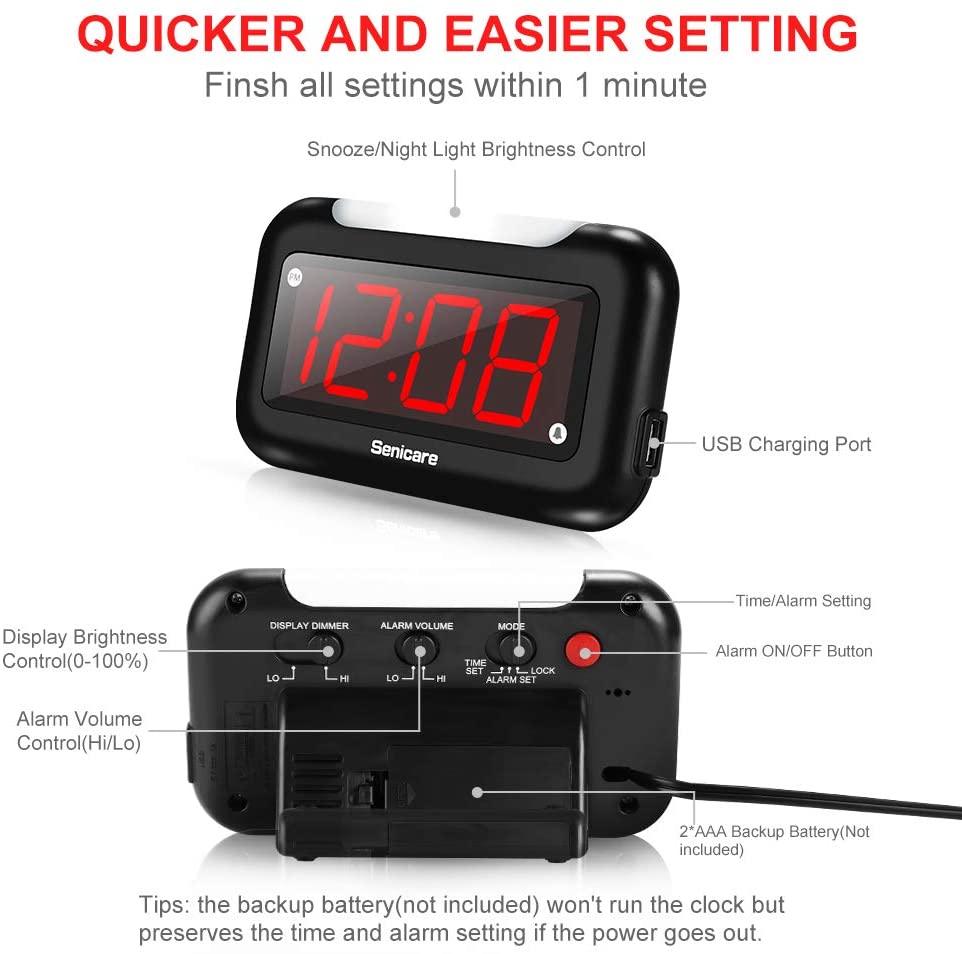
When defining your product requirements, the internal architecture dictates both the unit cost and the target market. Smart table clocks are heavily reliant on their display technology, microcontroller unit (MCU), and power management systems.
| Display Technology | Visibility Characteristics | Power Draw | Best For |
|---|---|---|---|
| Segmented LED | High contrast, limited viewing angles | Moderate | Entry-level alarm clocks |
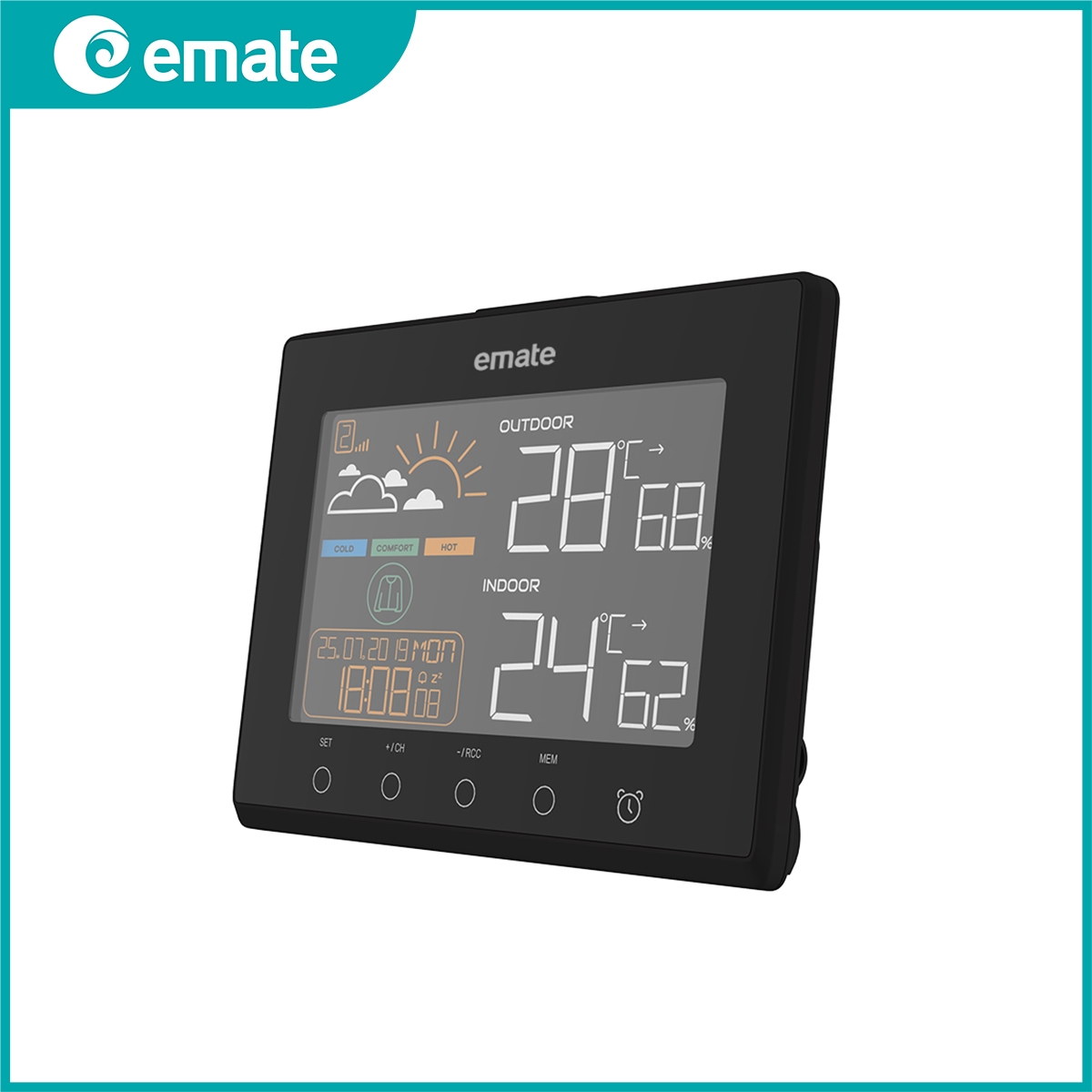
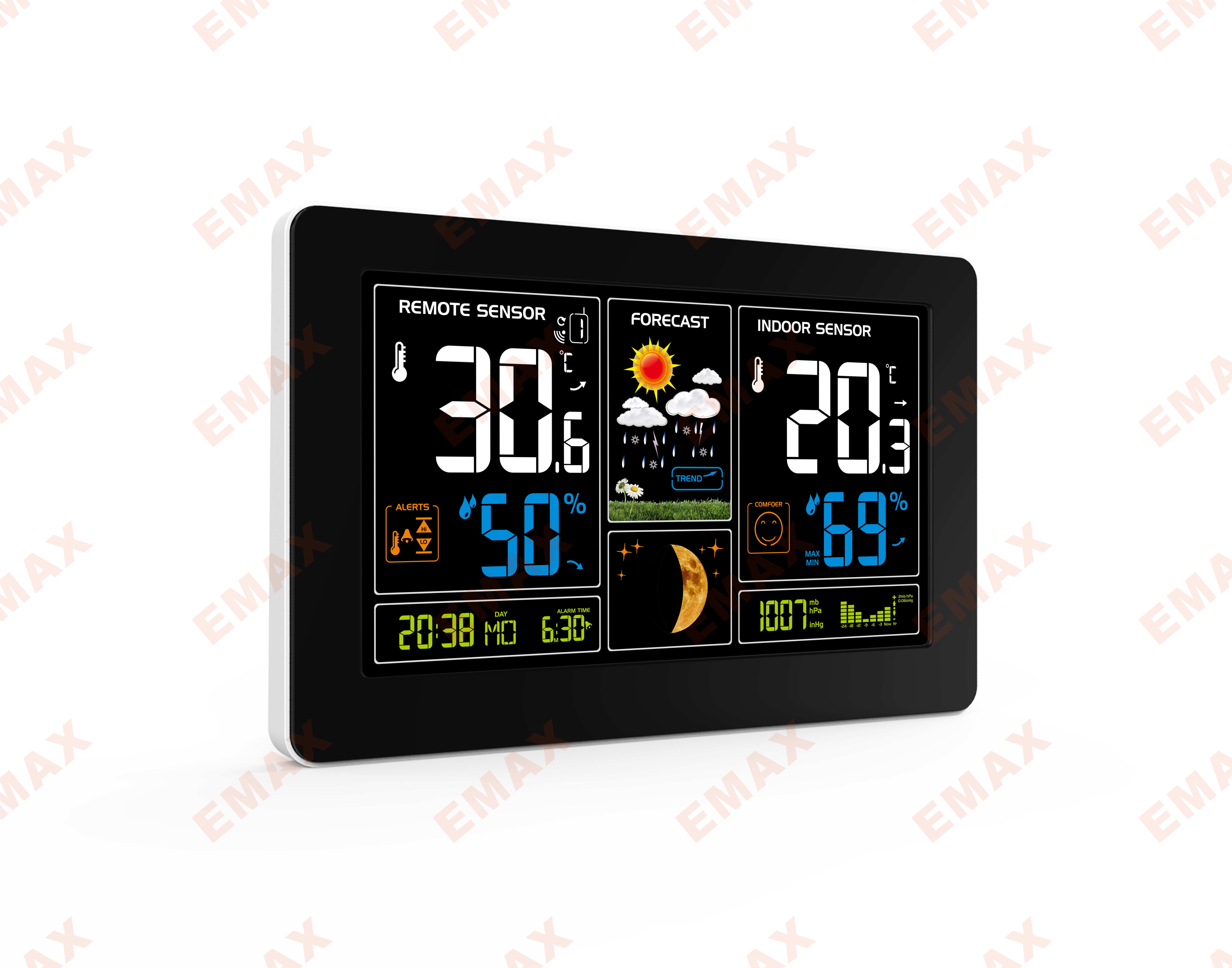
| TFT LCD | Full color, excellent viewing angles | High | Premium smart hubs and assistant-enabled clocks |
| E-Ink | Paper-like, excellent in direct sunlight | Ultra-low | Minimalist, battery-operated smart clocks |
Beyond the display, you must specify the connectivity protocols. Wi-Fi (2.4GHz is standard for range, though dual-band is increasingly expected) and Bluetooth (version 5.0 or newer) are standard. If your device includes a wireless charging pad, specify the Qi-certification standard and required wattage (typically 10W to 15W) to ensure compatibility with modern smartphones.
Need help matching your technical requirements to capable factories?
Discuss your product specsManufacturing Tolerances and Quality Control
The manufacturing floor is where smart table clocks often fail. The integration of heat-generating components (like wireless charging coils and Wi-Fi modules) within a compact, enclosed housing requires precise thermal management and assembly.
A factory's capability can often be judged by their Surface-Mount Technology (SMT) lines and their acoustic testing chambers. If you are developing a custom product, utilizing professional OEM/ODM Services ensures the factory has the engineering bandwidth to handle these integrations.
Critical Factory Inspection Points
Implement rigorous Quality Control & Inspection protocols, focusing on these specific areas during in-line and pre-shipment checks:
Smart Clock QC Checklist
- Display uniformity: Check for light bleed, dead pixels, and consistent brightness across the panel.
- Thermal testing: Ensure the housing remains under safe temperature thresholds during simultaneous wireless charging and audio playback.
- Acoustic sealing: Verify that internal speakers are properly isolated to prevent housing rattle at maximum volume.
- Connectivity stability: Test Wi-Fi and Bluetooth pairing speed, range, and reconnection after power loss.
- Housing seams: Inspect injection-molded or wood-veneer casings for gap consistency and flash removal.
Navigating Compliance and Certifications
Smart table clocks are heavily regulated consumer electronics. Emitting radio frequencies and plugging into wall outlets means they must clear multiple regulatory hurdles depending on your target market.
Partnering with a supplier that understands these requirements is non-negotiable. You will need to verify CE (for Europe), FCC (for the US), and RoHS compliance. Furthermore, if the clock uses Bluetooth or Qi wireless charging, the factory must hold the appropriate licenses from the Bluetooth SIG or Wireless Power Consortium to avoid customs seizures or intellectual property disputes. Engaging in proper Compliance & Testing early in the sourcing process mitigates these risks.
Buying Mechanics: MOQs, Lead Times, and Pricing
The smart homeware sector operates on standard consumer electronics timelines and volumes. Pricing is highly variable based on the MCU, display panel, and whether you are utilizing an existing "white label" app or developing a proprietary ecosystem.
Pricing drivers include the quality of the acoustic drivers (if functioning as a smart speaker), the integration of ambient light sensors for auto-dimming displays, and the complexity of the housing materials (e.g., CNC-machined aluminum or real wood veneer versus standard ABS plastic).
Ready to negotiate pricing and terms with vetted smart electronics manufacturers?
Get a sourcing consultationFrequently Asked Questions
Successfully sourcing smart table clocks means treating the product as a complex electronic device first, and a homeware item second. Prioritize suppliers with proven SMT capabilities, rigorous thermal and acoustic testing, and a clear track record of regulatory compliance. By securing the technical foundation, you ensure a reliable product that meets modern consumer expectations.
Get Sourcing Help for Smart Table Clocks
Tell us your requirements and our experts will connect you with verified manufacturers.