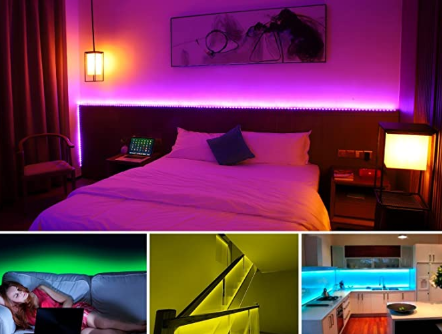
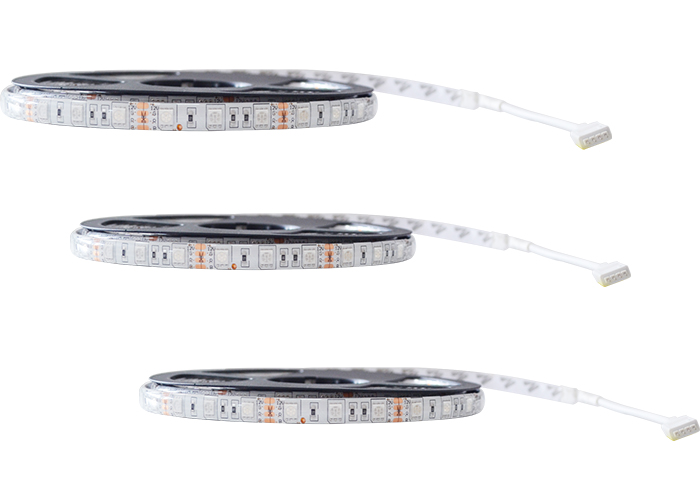
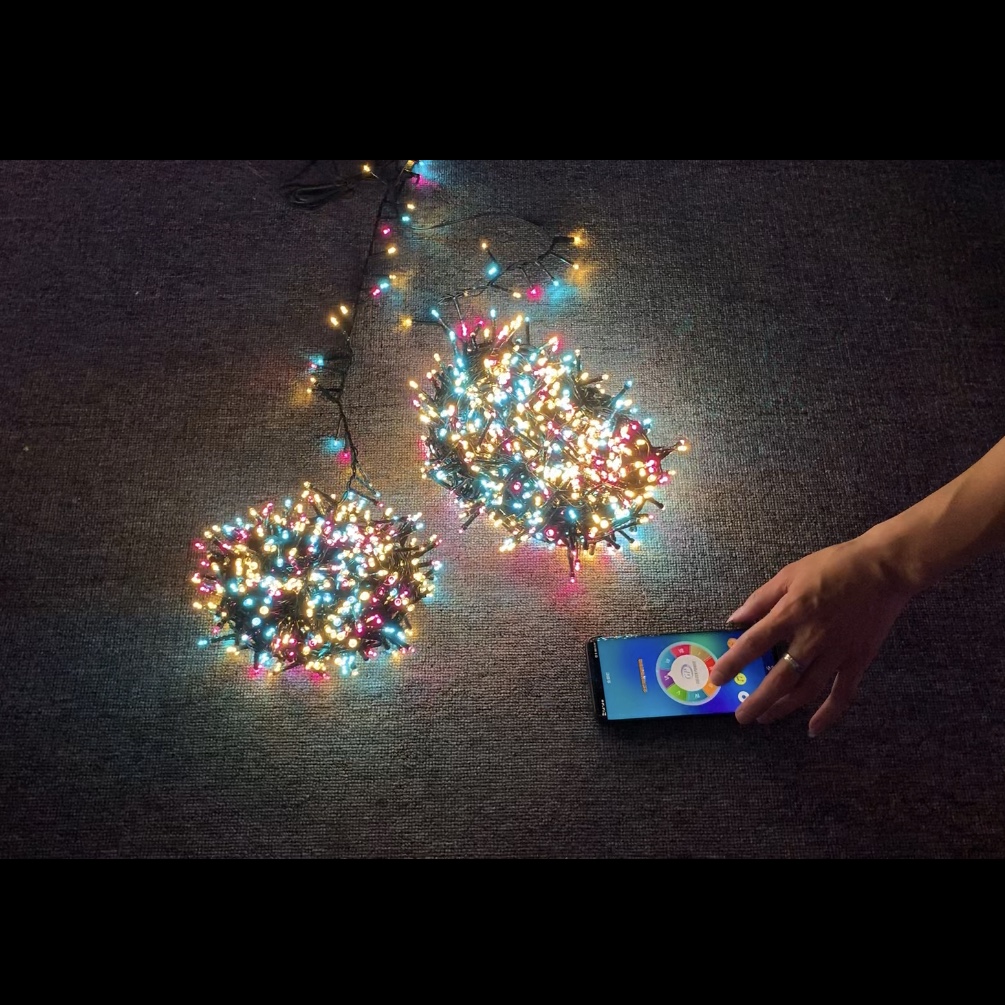
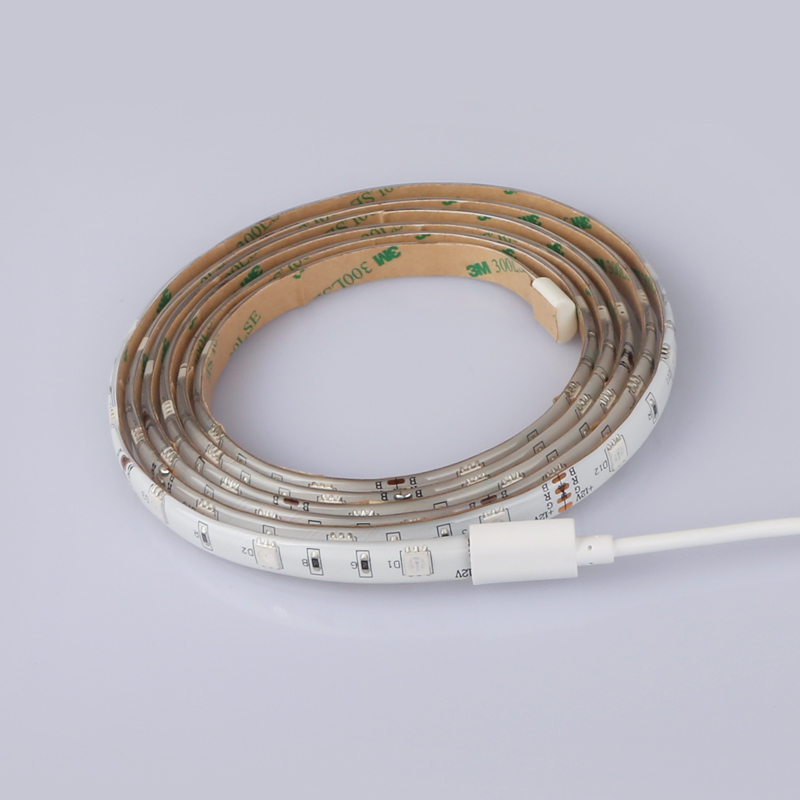
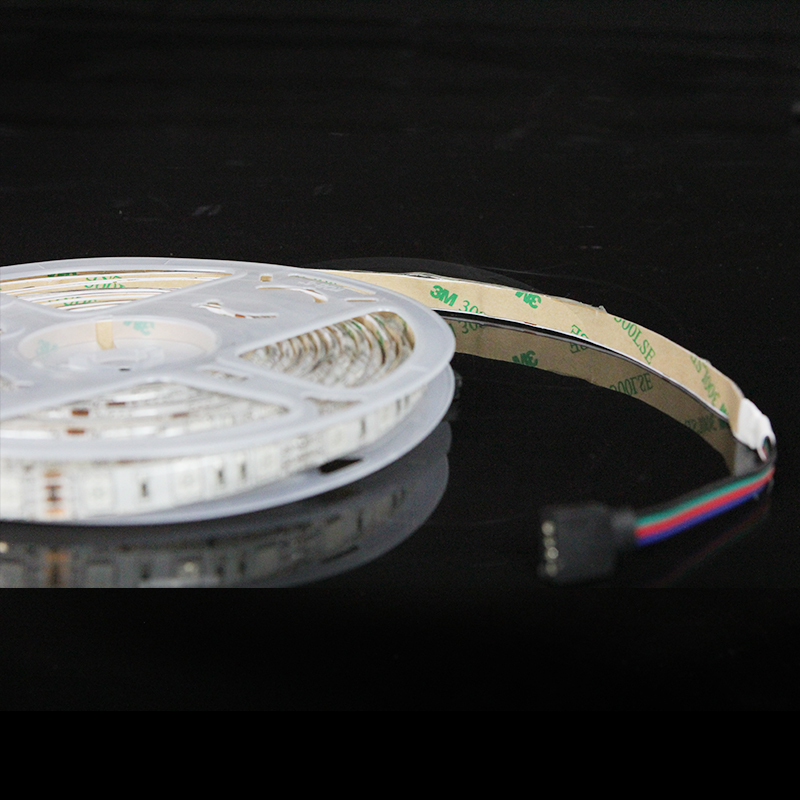
Smart Strip Lights
Source premium Smart Strip Lights from vetted suppliers and manufacturers across Asia. Designed for importers, lighting distributors, and brands seeking reliable OEM/private-label production, our network delivers high-volume, compliant smart lighting solutions engineered for performance and seamless integration.
Sourcing smart strip lights at volume requires navigating a highly fragmented supply chain where the line between consumer-grade novelty and professional-grade architectural lighting is often blurred. The core challenge for buyers lies in aligning LED binning consistency, IC reliability, and wireless protocol stability with your target market's expectations, while maintaining strict cost controls.
Core Specifications for High-Volume Sourcing
When evaluating factory capabilities, the bill of materials (BOM) tells the true story of the product's lifespan and performance. Professional buyers must dictate these specifications rather than accepting off-the-shelf defaults.
PCB and Copper Thickness
The flexible printed circuit board (FPCB) is the foundation of the strip. Standard consumer strips use 1oz copper, which is sufficient for 2-meter to 5-meter runs. However, for continuous lengths of 10 meters or more, 2oz or 3oz copper is mandatory to minimize electrical resistance, manage thermal dissipation, and prevent voltage drop (which causes color shifting at the end of the strip).
IC and Addressability
For dynamic, chasing, or "dream color" effects, the strip requires integrated circuits (ICs).
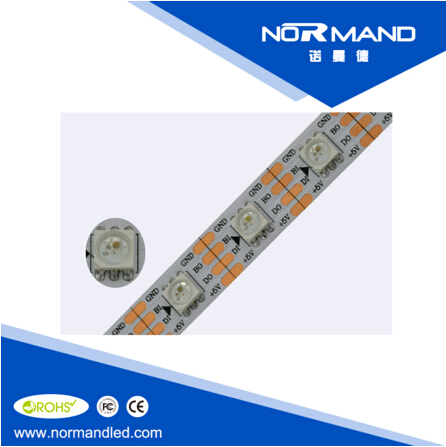
- WS2812B / SK6812: Standard 5V data-driven ICs (often integrated directly into the 5050 SMD diode).
- WS2815: 12V ICs with backup data lines. If one diode fails, the rest of the strip continues to function—critical for architectural or hard-to-reach installations.
- External ICs (WS2811): Used for 12V or 24V strips where one IC controls a cluster of three or six LEDs.
Smart Protocols and Ecosystems
The controller dictates the "smart" functionality. Selecting the right protocol depends heavily on your target demographic.
| Protocol | Latency | Local Control | Ecosystem Integration |
|---|---|---|---|
| Wi-Fi (2.4GHz) | Medium | Requires Cloud | Alexa, Google, Tuya |
| Zigbee 3.0 | Low | Yes (via Hub) | Hue, SmartThings, Home Assistant |
| Matter (over Thread) | Ultra-low | Yes | Universal (Apple, Google, Amazon) |
Struggling to align hardware specs with your software ecosystem? Let us help you identify manufacturers with proven IoT integration experience.
Talk to our teamManufacturing and Quality Control Realities
The Surface Mount Technology (SMT) process is where component placement accuracy and solder joint integrity are determined. High-speed SMT machines from brands like Yamaha or Fuji indicate a factory capable of precision manufacturing.
However, defects often occur downstream during the extrusion or coating processes used for waterproofing. Ensuring consistent IP65 (silicone coating) or IP67 (silicone tube) ratings without causing color temperature shifts requires strict environmental controls.
Implementing rigorous Quality Control & Inspection protocols is essential. Relying solely on the factory's internal QA often leads to inconsistent batches.
Critical In-Line & Pre-Shipment Checks
- Integrating sphere testing for color rendering (CRI) and MacAdam ellipse (SDCM) consistency.
- Thermal imaging during burn-in testing to identify localized hotspots.
- Adhesive tape sheer strength testing (e.g., verifying genuine 3M VHB backing).
- Firmware flashing verification and connectivity stress tests.
- Waterproofing integrity tests for IP65/IP67 variants.
Customization and Compliance
For brands looking to differentiate, OEM/ODM Services allow for deep customization. This ranges from custom FPCB widths and bespoke LED densities (up to 240 LEDs per meter for dotless COB strips) to proprietary firmware integrations.
Many Shenzhen-based factories default to Tuya's white-label IoT platform. While cost-effective, brands requiring localized data hosting or custom app interfaces must specify this early during the vendor selection phase.
Furthermore, power supplies and controllers must meet the regulatory standards of the destination market. Navigating Compliance & Testing for UL/ETL (North America) or CE/RoHS/UKCA (Europe) is non-negotiable. Ensure the factory holds valid, verifiable test reports for both the LED strip and the accompanying power adapter, as these are often sourced from different sub-tier suppliers.
Pricing Drivers, MOQs, and Lead Times
Smart strip light pricing is highly volatile, driven by copper costs, LED chip market fluctuations, and the complexity of the smart controller.
Note: MOQs for fully custom packaging or bespoke Tuya app integrations typically start at 2,000 to 3,000 complete kits.
Need accurate pricing and lead times for your next production run? We can benchmark your current quotes against our vetted supplier network.
Get a free consultationFrequently Asked Questions
Successfully sourcing smart strip lights requires moving past superficial specifications and interrogating the factory's BOM, SMT capabilities, and software integration experience. By securing the right manufacturing partner, you can mitigate voltage drop, ensure ecosystem compatibility, and maintain strict quality standards across high-volume production runs.
Get Sourcing Help for Smart Strip Lights
Tell us your requirements and our experts will connect you with verified manufacturers.