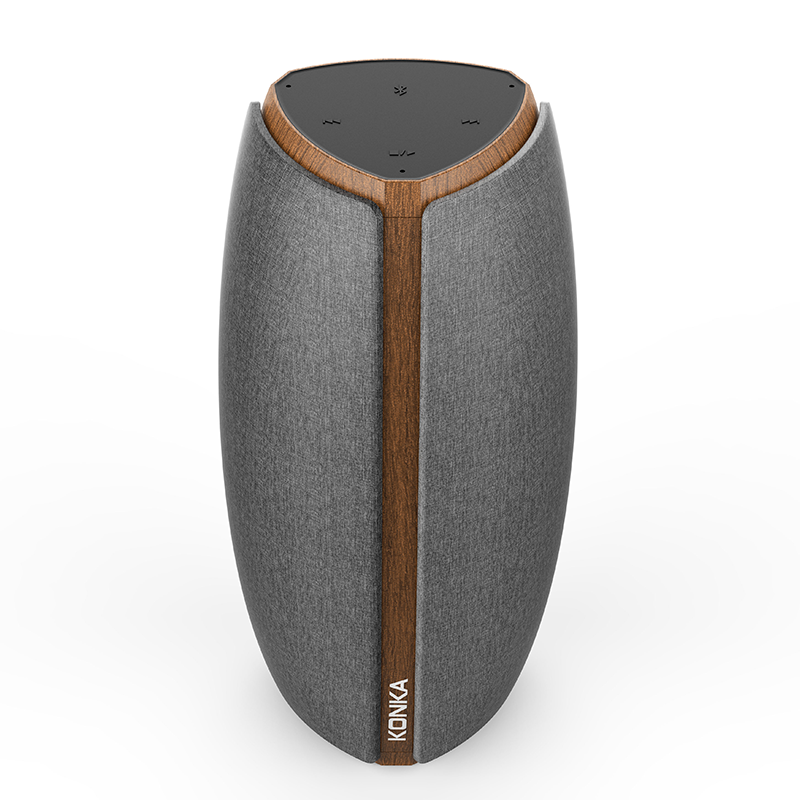
Smart Speakers
Source wholesale Smart Speakers from vetted manufacturers and suppliers in Asia. Designed for importers, distributors, and consumer electronics brands looking for reliable OEM, ODM, and private-label production, our network delivers high-quality voice-activated audio solutions at competitive bulk pricing.
Sourcing smart speakers in volume requires balancing acoustic engineering with complex IoT integration. The challenge isn't just finding a facility that can assemble an audio device; it is identifying a manufacturing partner capable of executing flawless far-field voice recognition, robust wireless connectivity, and airtight acoustic chamber design without compromising yield rates. For brands and importers, success depends on tight control over component selection, firmware stability, and rigorous factory-level testing.
Core Hardware Specifications and Component Sourcing
The performance of a smart speaker is dictated by the synergy between its System on Chip (SoC), Digital Signal Processor (DSP), and the microphone array. When vetting suppliers or defining your Bill of Materials (BOM), these are the critical zones where cost and quality intersect.
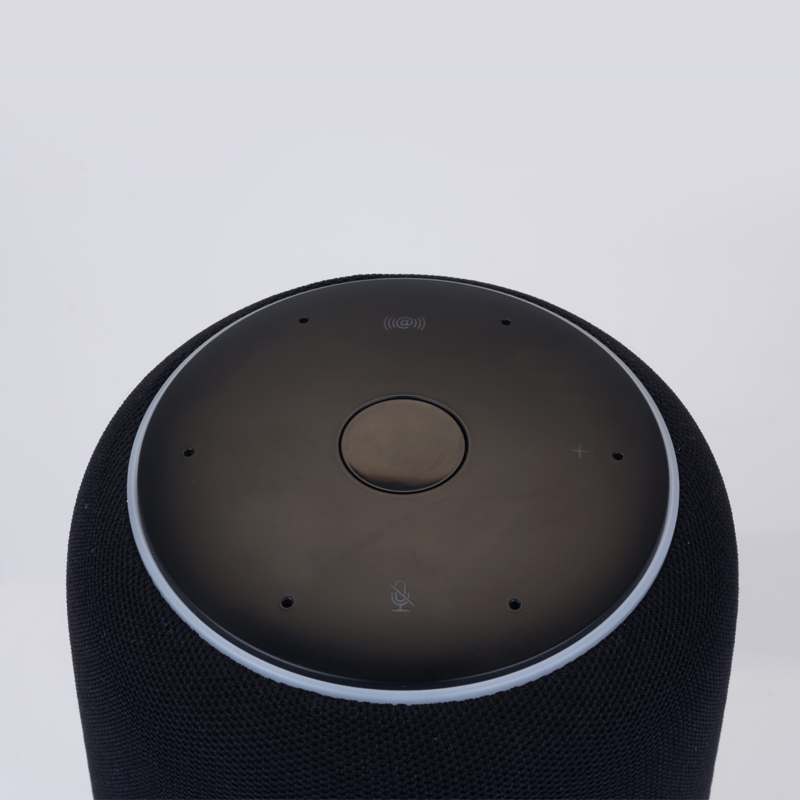
- Microphone Arrays (MEMS): Voice pickup is the defining feature of this category. Entry-level units often use a 2-mic array, which struggles in noisy environments. Premium models utilize 4-mic or 6-mic circular arrays with advanced echo cancellation and noise suppression algorithms.
- SoC and Wi-Fi/Bluetooth Chipsets: The brain of the speaker handles voice wake-word detection and audio streaming. Reliable manufacturers typically build around proven chipsets from MediaTek, Qualcomm, Amlogic, or Realtek. Using unbranded or legacy SoCs often results in dropped connections and high latency.
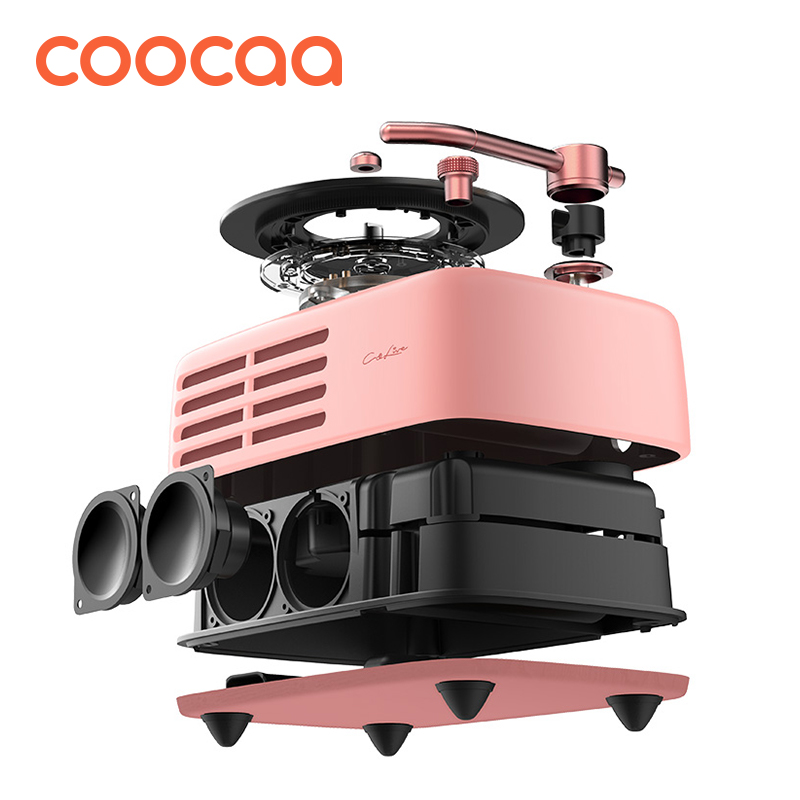
- Acoustic Drivers: Depending on the form factor, configurations range from a single full-range driver to multi-way systems (tweeter, woofer, and passive radiators). Neodymium magnets are preferred for compact, high-output designs.
| Configuration | 2-Mic Array | 4-Mic Array | 6-Mic Array |
|---|---|---|---|
| Optimal Range | Up to 3 meters | Up to 5 meters | Over 7 meters |
| Echo Cancellation | Basic | Advanced DSP required | Premium DSP required |
| Primary Use Case | Bedside / Small rooms | Living rooms / Kitchens | Large open-plan spaces |
Manufacturing Challenges and Quality Control
Smart speakers are highly susceptible to assembly errors that degrade both audio output and voice recognition. If the acoustic chamber is not perfectly sealed during assembly, bass response drops significantly, and internal vibrations can trigger false wake-words or disrupt the microphone array.
Catching these issues requires stringent Quality Control & Inspection directly on the factory floor, particularly during the PCBA (Printed Circuit Board Assembly) and final enclosure sealing stages.
Critical In-Line Quality Checks
- Acoustic Chamber Sealing: Pressure testing to ensure no air leaks around drivers and passive radiators.
- Microphone Isolation: Verifying that MEMS microphones are physically isolated from speaker vibrations.
- Antenna Placement: Testing Wi-Fi/Bluetooth signal strength to ensure no interference from internal metal components.
- Firmware Flashing: Verifying that the correct DSP algorithms and wake-word engines are successfully loaded.
Navigating chipset selection and acoustic tuning requires deep factory-level access. Let us help you vet capable audio manufacturers and secure reliable production lines.
Talk to our teamCertifications and Ecosystem Integration
Integrating third-party voice assistants (like Amazon Alexa Voice Service or Google Assistant) is not as simple as loading software. These ecosystems require strict hardware pre-certification. A factory offering a "white-label Alexa speaker" must have passed the respective ecosystem's acoustic testing protocols.
Beyond voice ecosystems, smart speakers are active wireless transmitters. You must ensure your supplier can provide or support Compliance & Testing for FCC (US), CE/RED (Europe), RoHS, and specific wireless certifications like Wi-Fi Alliance and Bluetooth SIG. Failing to secure these will result in customs seizures or marketplace delistings.
Pricing, MOQs, and Production Lead Times
The cost of a smart speaker is heavily weighted toward the SoC/DSP and the licensing/certification process. Custom acoustic engineering will also drive up initial tooling costs.
When engaging in OEM/ODM Services, expect to pay NRE (Non-Recurring Engineering) fees if you are customizing the microphone array layout or altering the acoustic chamber, as these require complete re-testing of the DSP algorithms.
Looking to develop a custom smart speaker or negotiate better terms on an existing white-label mold? We manage the entire factory negotiation and production process.
Get a free consultationBuyer FAQ
Successfully importing smart speakers requires more than just finding a low unit price; it requires a supply chain partner who understands acoustic tolerances, chipset reliability, and stringent wireless compliance. Securing a capable manufacturer early in the process prevents costly redesigns and ensures your product performs flawlessly in the end user's home.
Get Sourcing Help for Smart Speakers
Tell us your requirements and our experts will connect you with verified manufacturers.