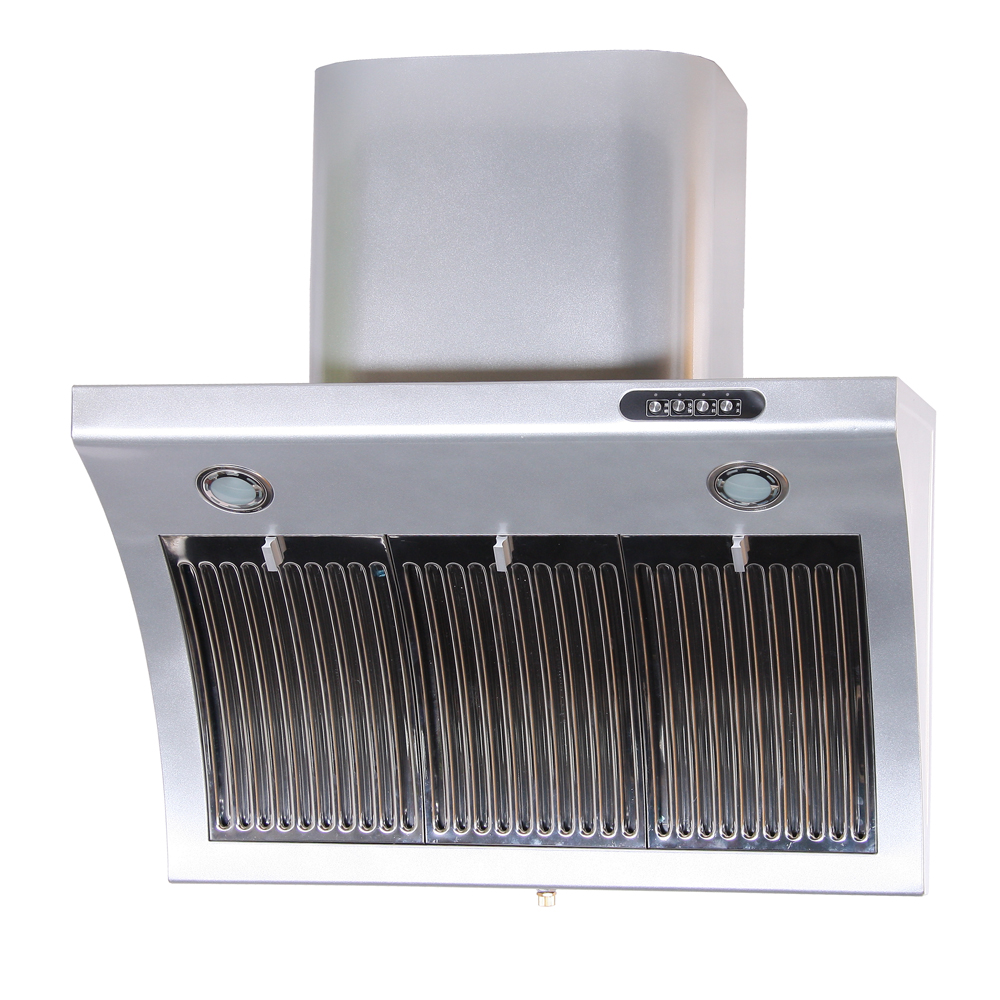
Smart Range Hoods
Source high-quality Smart Range Hoods from vetted Chinese manufacturers and suppliers. Designed for importers, wholesale distributors, and appliance brands seeking reliable OEM and private-label production. Secure bulk pricing on advanced kitchen ventilation systems with integrated IoT, voice, and gesture controls.
Sourcing smart range hoods requires balancing heavy-duty mechanical engineering—high-capacity airflow and noise reduction—with sensitive electronics like IoT connectivity, air quality sensors, and touchless controls. Because these appliances bridge the gap between traditional sheet metal fabrication and modern smart home ecosystems, selecting a manufacturing partner capable of executing both flawlessly is critical to preventing high return rates.
Core Technical Specifications to Define
When negotiating with suppliers, vague requirements lead to inconsistent production. You must define the exact mechanical and electronic parameters of your units before requesting quotes.
| Specification Focus | Standard Market Entry | Premium OEM/ODM Builds |
|---|---|---|
| Motor Technology | Traditional AC Motors | Brushless DC (BLDC) Motors |
| Extraction Rate | 400 to 600 CFM | Over 800 CFM |
| Noise Level (Max Speed) | 65 dB and above | Under 55 dB (Acoustic insulated) |
| Smart Connectivity | White-label Tuya Wi-Fi | Custom App, Matter, Alexa/Google Voice |
Motor Selection and Airflow
The heart of any range hood is the blower. Premium smart models increasingly utilize Brushless DC (BLDC) motors. BLDC motors offer variable speed control, which is essential for auto-adjusting extraction rates based on sensor data (e.g., detecting sudden smoke or VOCs). They also operate at significantly lower decibel levels and consume less energy.
Smart Modules and Sensors
Smart functionality extends beyond simple Wi-Fi connectivity. High-end units incorporate infrared gesture sensors for touchless operation—crucial when users have messy hands. Additionally, VOC and temperature sensors allow the hood to activate automatically. Ensure the factory's PCB supplier uses reliable, heat-resistant components, as the area directly above a cooktop experiences extreme thermal cycling.
Need to verify a factory's PCB assembly and IoT integration capabilities? Merhein can evaluate supplier technical competence before you commit.
Talk to our teamManufacturing Tolerances and Quality Control
Range hoods are highly visible appliances. A poorly finished weld or flimsy sheet metal will immediately damage your brand's reputation.
Most quality manufacturers use 430 or 304-grade stainless steel. The thickness of the steel (gauge) directly impacts both the perceived quality and the appliance's vibration levels. Thinner steel (under 0.6mm) will rattle and amplify motor noise. Insist on at least 0.8mm to 1.0mm thickness for premium models.
Verifying the factory's sheet metal stamping, laser cutting, and robotic welding capabilities is essential. Conducting thorough Factory Audits ensures the supplier has the automated machinery required for precise, seamless canopy construction.
Critical Pre-Shipment Inspection Points
- Anemometer testing to verify actual CFM matches stated specifications
- Decibel meter testing in a soundproof chamber at all fan speeds
- Vibration testing to check for loose internal housing or unbalanced impellers
- IoT module pairing tests (Wi-Fi stability and app responsiveness)
- Visual inspection of stainless steel grain alignment and seamless welding
Implementing rigorous Quality Control & Inspection protocols catches unbalanced impellers and faulty gesture sensors on the factory floor, rather than in your customer's kitchen.
Compliance and Market Certifications
Because smart range hoods combine high-voltage electrical components, heating environments, and wireless transmitters, they face strict regulatory hurdles.
- Safety Standards: UL 507 or ETL certification is mandatory for the US market. CE (LVD/EMC) is required for Europe.
- Wireless Compliance: The inclusion of Wi-Fi or Bluetooth modules means the product must comply with FCC Part 15 (US) or the RED Directive (Europe).
- Materials: RoHS compliance is standard requirement for all internal electronics and plastics.
Working with a partner who understands Compliance & Testing ensures your smart modules are pre-certified or that the final assembly passes lab testing without costly redesigns.
Production Realities: MOQ, Pricing, and Lead Times
Pricing for smart range hoods fluctuates based on motor type, steel gauge, and the complexity of the smart integration. Custom tooling for unique canopy shapes will require significant upfront investment, whereas white-labeling existing factory molds reduces entry costs.
If you are developing a proprietary design with custom smart-home app integration, utilizing professional OEM/ODM Services is the most efficient way to manage the prototyping, tooling, and intellectual property protection phases.
Looking to source custom smart range hoods or negotiate better terms with reliable manufacturers? Let us streamline your procurement.
Get a free consultationBuyer FAQ
Sourcing smart range hoods is an exercise in managing complex, multi-disciplinary manufacturing. By defining exact mechanical tolerances and rigorously testing electronic integrations at the factory level, you protect your margins and your brand reputation. Merhein provides the on-the-ground oversight needed to execute these complex appliance orders flawlessly.
Get Sourcing Help for Smart Range Hoods
Tell us your requirements and our experts will connect you with verified manufacturers.