Smart Home Kits & Systems
Source reliable Smart Home Kits & Systems from vetted suppliers and manufacturers in China and across Asia. Designed for importers, distributors, and brands seeking scalable OEM/ODM or private-label production, this category covers complete, integrated automation ecosystems built to your exact specifications.
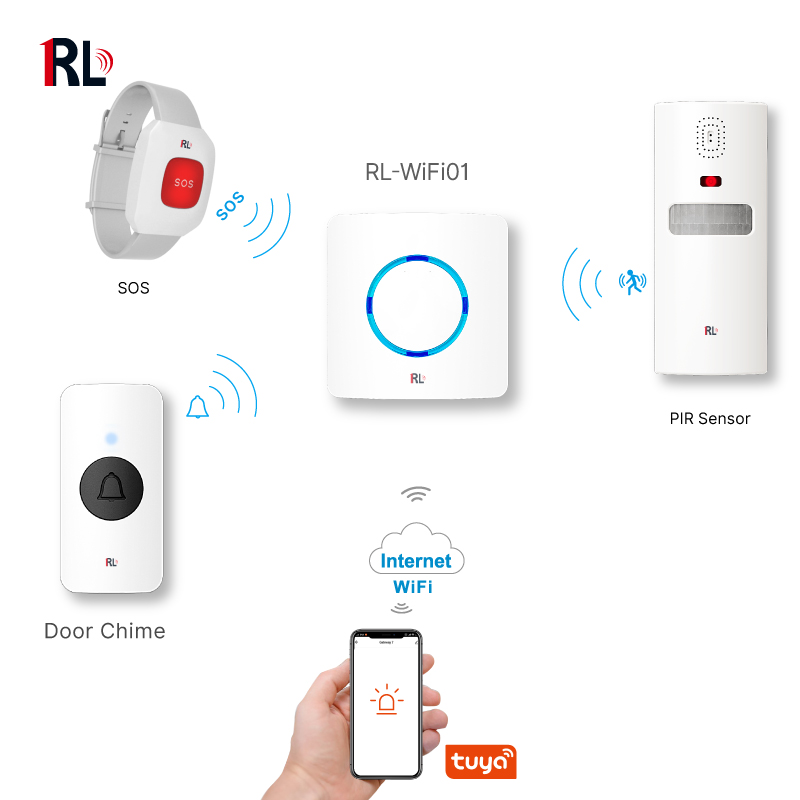
Sourcing smart home kits is fundamentally different from buying standalone consumer electronics. You are not just procuring hardware; you are investing in an integrated ecosystem where the gateway hub, sensors, and actuators must communicate flawlessly. For bulk buyers and brands, the core sourcing challenge lies in ensuring protocol interoperability, firmware stability, and secure, low-latency cloud connectivity across the entire product suite.
Protocol Selection and System Architecture
The foundation of any smart home kit is its communication protocol. Manufacturers typically build around specific Microcontroller Units (MCUs) from providers like Silicon Labs, Espressif, or Realtek. Whether you are utilizing a turnkey IoT platform like Tuya or developing custom firmware, the protocol dictates the hardware architecture, power consumption, and ultimate user experience.
| Protocol | Power Consumption | Latency | Ideal Kit Application |
|---|---|---|---|
| Zigbee 3.0 | Ultra-low | Low | Comprehensive multi-sensor security kits |
| Z-Wave Plus | Ultra-low | Low | Premium home automation systems |
| Wi-Fi (2.4GHz) | High | Variable | Starter kits with direct-to-router plugs/cameras |
| Matter (over Thread) | Low | Low | Future-proof, cross-ecosystem retail kits |
When specifying requirements to a factory, clarify whether the kit operates on a local mesh network (requiring a dedicated hub) or relies entirely on cloud processing. Kits relying on cloud infrastructure must be evaluated for server location, GDPR/CCPA compliance, and API reliability.
Navigating IoT platforms and custom firmware integration is complex. Let us help you identify manufacturers with proven engineering capabilities for your specific protocol requirements.
Talk to our teamManufacturing Tolerances and Production Pitfalls
The physical assembly of smart home components—particularly compact door/window sensors and motion detectors—requires precise PCBA (Printed Circuit Board Assembly) and stringent RF tuning. A common failure point in poorly manufactured kits is signal degradation caused by improper antenna placement or inadequate shielding against electromagnetic interference (EMI).
If you are pursuing OEM/ODM Services for custom kit designs, pay close attention to the tooling of the plastic enclosures. Infrared (IR) transparency for motion sensors and precise alignment for magnetic reed switches are critical. Minor molding defects can render a sensor entirely non-functional.
Critical Quality Control Checks
Standard visual inspections are insufficient for IoT devices. Robust Quality Control & Inspection protocols must include functional testing at the factory level before packaging.
Factory-Level IoT Inspection Points
- RF Signal Strength: Verify transmission range in high-interference environments.
- Pairing Reliability: Test gateway-to-sensor pairing speed and recovery after power loss.
- Battery Drain Analysis: Measure sleep-state microamp draw to confirm battery life claims.
- Over-The-Air (OTA) Updates: Confirm firmware can be pushed and installed without bricking the device.
- Burn-in Testing: Run hubs at 100 percent load for 48 hours to check for thermal throttling.
Furthermore, smart home kits are heavily regulated. Depending on your target market, you will need to verify FCC (US), CE-RED (Europe), RoHS, and potentially WEEE compliance. Utilizing professional Compliance & Testing services ensures that the factory's provided certificates are legitimate and matched exactly to your bill of materials (BOM).
Sourcing Mechanics: MOQs, Pricing, and Lead Times
Pricing for smart home kits varies wildly based on the number of components, the chosen MCU, and the IoT platform licensing fees (e.g., Tuya module costs). White-labeling an existing factory design is the fastest route to market, while custom firmware and tooling require significant upfront investment.
When negotiating terms, ensure the quotation explicitly states who owns the intellectual property for any custom app interfaces or firmware modifications.
Need to verify a supplier's production capacity and technical capabilities? We conduct thorough factory audits and negotiate complex IoT manufacturing contracts on your behalf.
Get a free consultationFrequently Asked Questions
Successfully sourcing smart home kits requires balancing hardware reliability with software stability. By rigorously vetting a manufacturer's RF engineering capabilities and enforcing strict functional testing protocols, you can deliver an ecosystem that users trust. If you need experienced boots on the ground to manage supplier selection, firmware validation, and final assembly inspections, our team is ready to assist.
Get Sourcing Help for Smart Home Kits & Systems
Tell us your requirements and our experts will connect you with verified manufacturers.