Smart Health
Source wholesale Smart Health devices from vetted suppliers and manufacturers. Designed for importers, distributors, and brands looking for reliable OEM and private-label production, our network delivers high-quality smart health electronics built to strict regulatory and performance standards.
Smart health electronics bridge the gap between consumer wearables and clinical monitoring. Sourcing these devices in bulk requires navigating a complex intersection of biometric sensor accuracy, wireless data transmission reliability, and stringent regulatory compliance. For importers and brands, the difference between a successful product launch and a costly recall often comes down to the manufacturer's engineering capabilities and quality management systems.
Core Specifications and Sensor Technologies
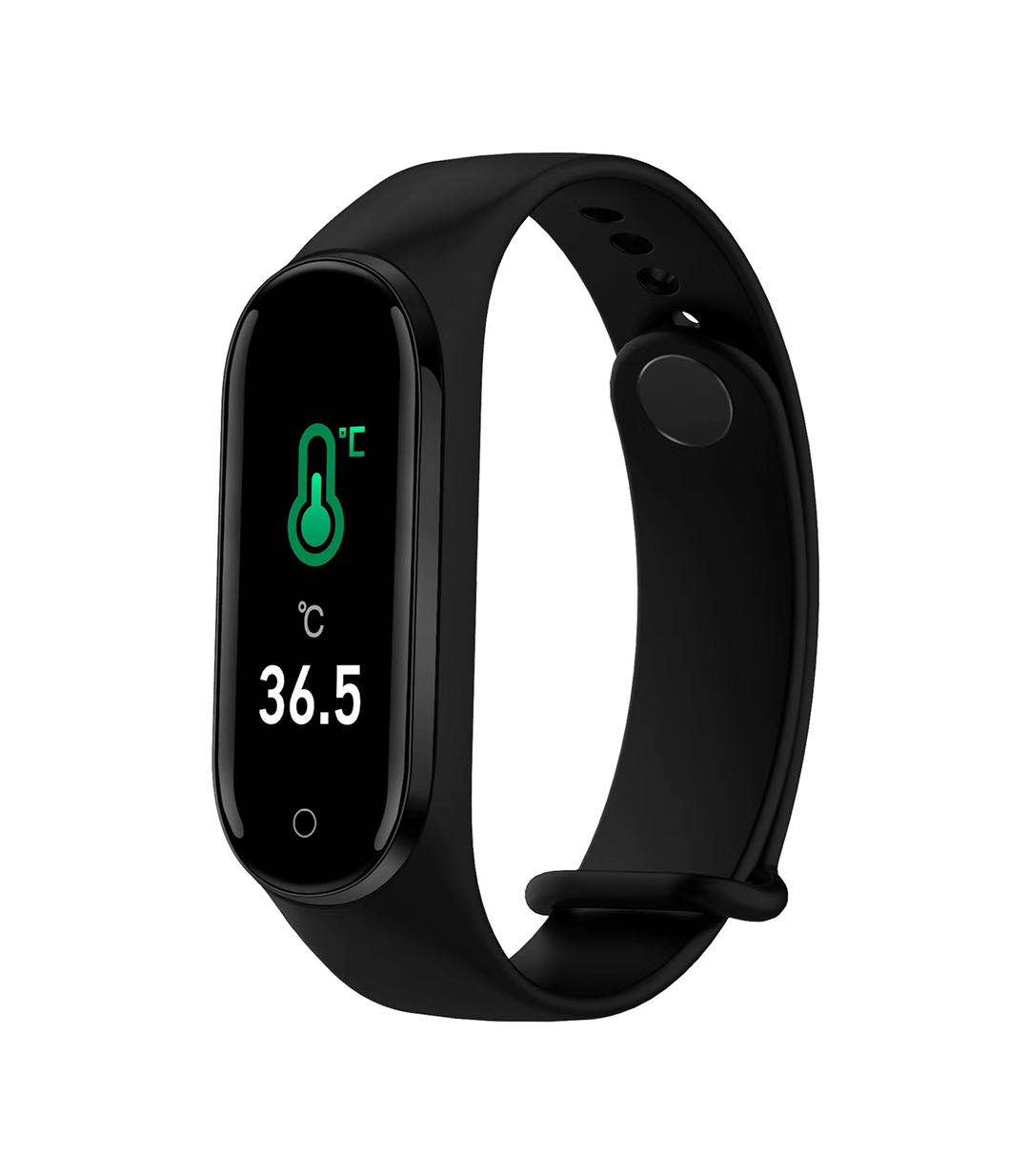
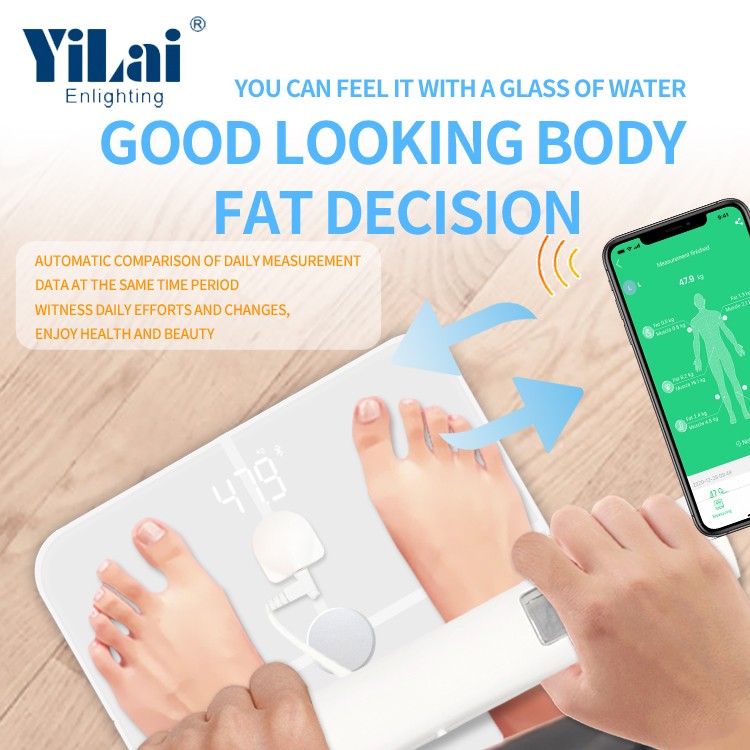
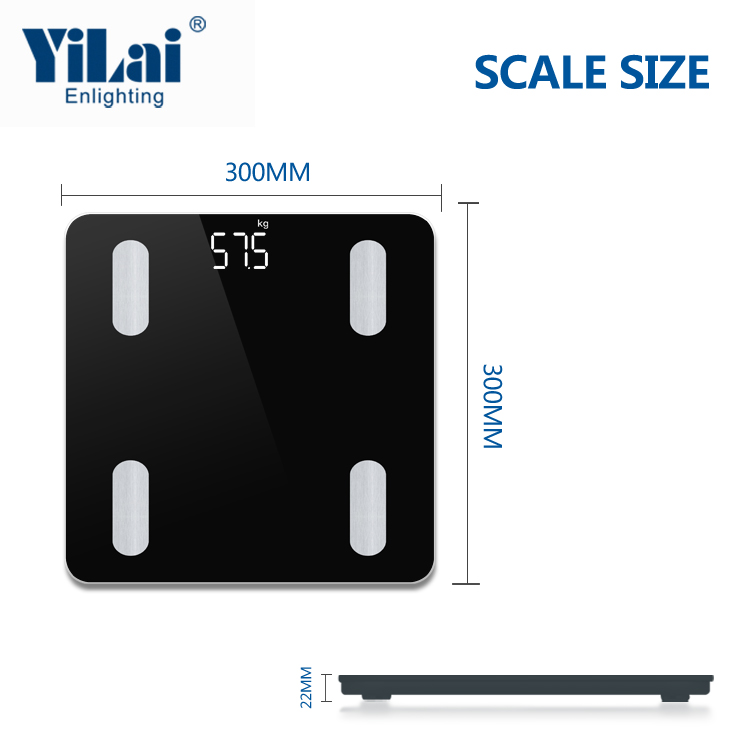
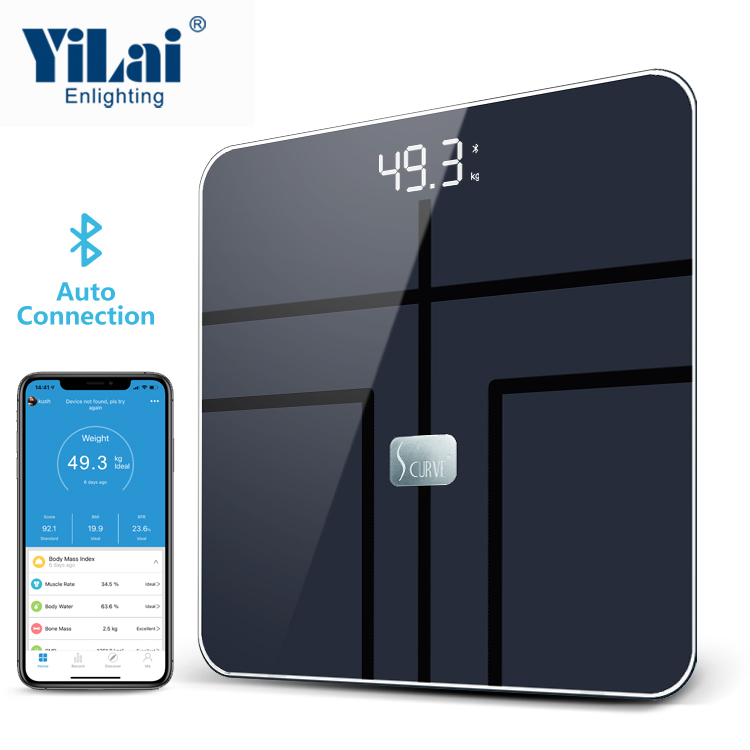
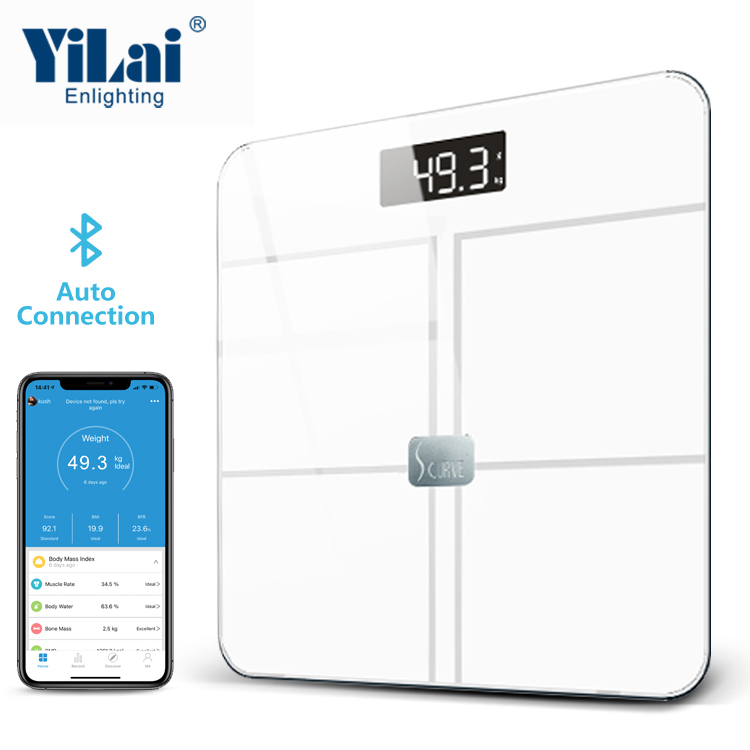
When sourcing smart health devices—whether fitness trackers, smart scales, or vital sign monitors—the Bill of Materials (BOM) dictates both performance and price. Off-the-shelf white-label products often use generic sensors, while premium devices require highly calibrated, application-specific components.
Key technical specifications to define with your manufacturer include:
- Sensor Accuracy: Specify acceptable error margins for PPG (photoplethysmography) sensors used for heart rate and SpO2, or thermistors for temperature tracking.
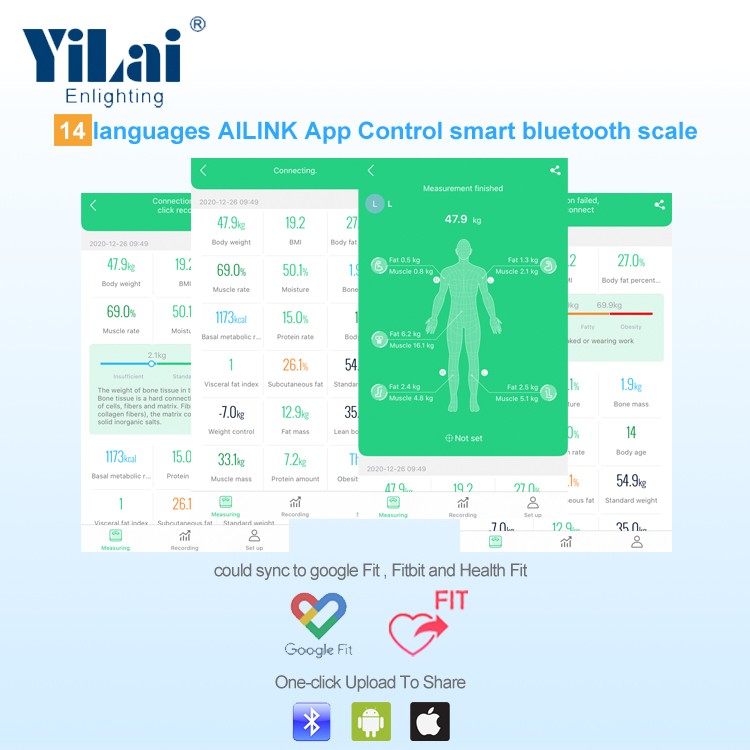
- Connectivity Protocols: Bluetooth Low Energy (BLE 5.0 or higher) is standard for battery efficiency. Ensure the factory provides robust SDKs or APIs if you are integrating the hardware with your own proprietary application.
- Power Management: Define battery life expectations under continuous monitoring conditions. Specify battery chemistry (typically Lithium Polymer) and require UN38.3 certification for safe shipping.
| Sensor Type | Typical Application | Sourcing Complexity |
|---|---|---|
| Optical PPG | Heart rate, blood oxygen (SpO2) | Low to Medium |
| ECG Electrodes | Heart rhythm and ECG monitoring | High (Requires precise calibration) |
| 6-Axis IMU | Fall detection, sleep tracking | Medium |
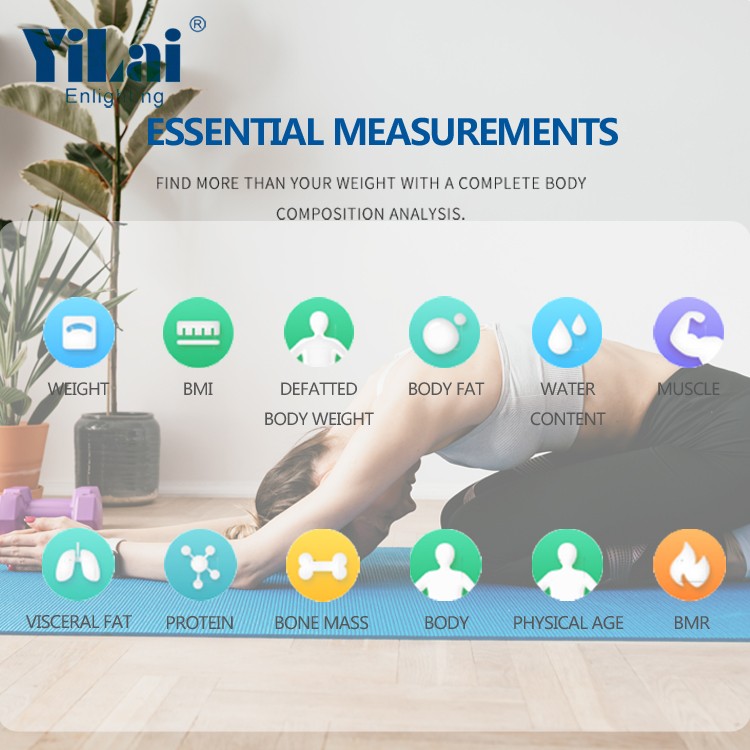
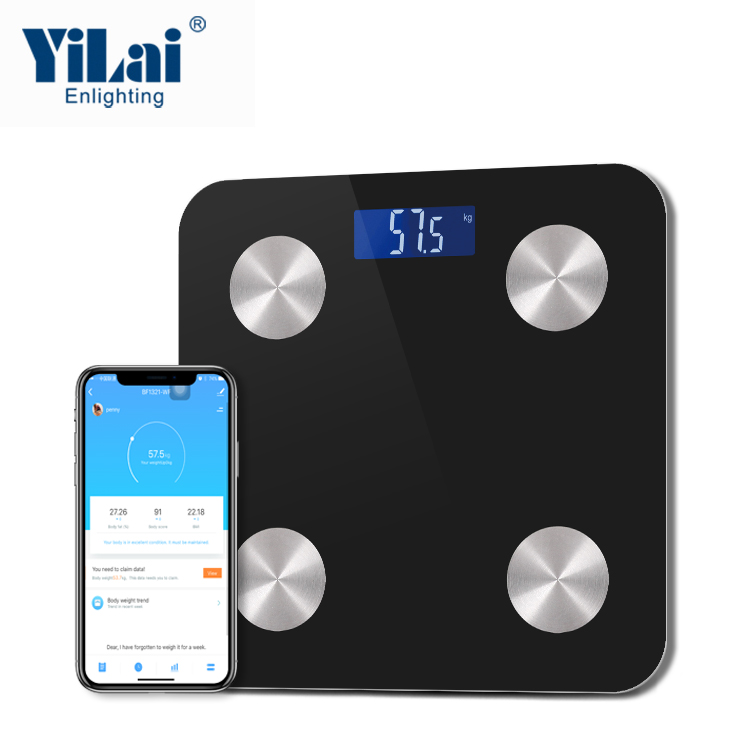
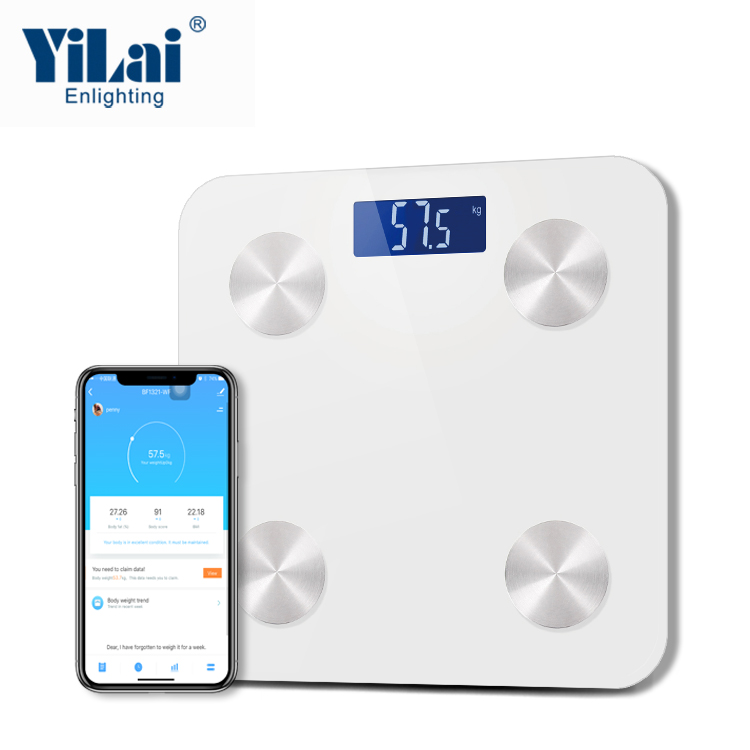
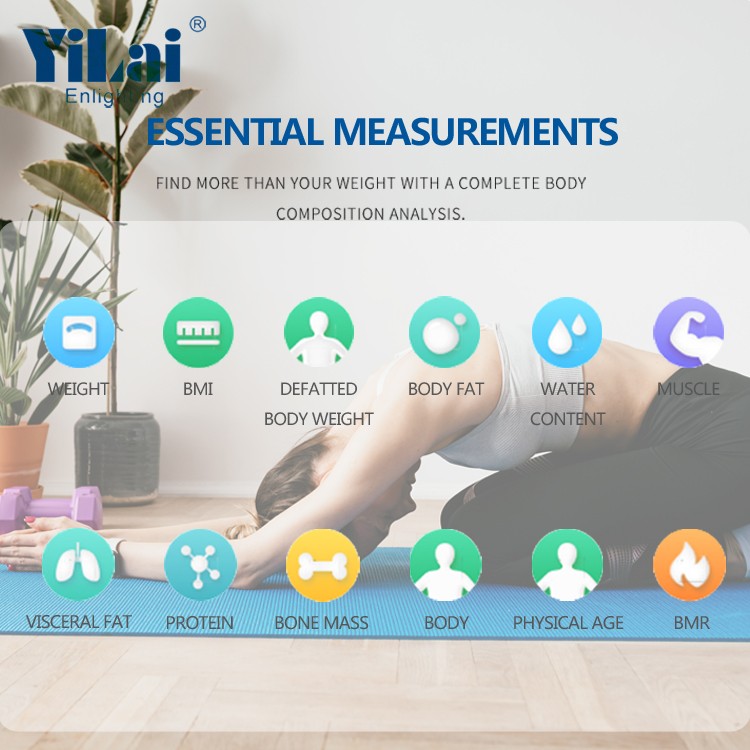
| BIA Chips | Body composition (smart scales) | Medium |
Struggling to verify sensor accuracy and factory capabilities? Let us handle the technical vetting.
Talk to our teamManufacturing Quality and Regulatory Compliance
Smart health products sit in a heavily regulated gray area between consumer electronics and medical devices. Selecting a factory with the right certifications is non-negotiable.
Before committing to a supplier, utilize comprehensive Factory Audits to verify their quality management systems. Look for ISO 9001 for general electronics, and ISO 13485 if the device approaches medical-grade classification.
Material safety is equally critical. Devices worn on the skin must use biocompatible materials (like medical-grade silicone) to prevent allergic reactions, requiring adherence to ISO 10993 standards. Additionally, the electronics must pass CE, FCC, and RoHS compliance for major markets. Navigating these requirements can be complex, making professional Compliance & Testing services invaluable for avoiding customs seizures or market bans.
Critical Quality Control Checks for Smart Health Devices
- Sensor calibration accuracy against known clinical baselines
- Bluetooth pairing stability, data packet loss rates, and transmission range
- Battery drain rates during active and standby monitoring modes
- Water and dust resistance (IP rating) verification under pressure
- Biocompatibility of all skin-contact materials
Implementing strict Quality Control & Inspection protocols before shipment ensures that defective units—such as those with misaligned sensors or firmware bugs—never leave the factory floor.
Buying Mechanics: MOQs, Lead Times, and OEM/ODM
The smart health sector is dominated by manufacturers in Shenzhen and Dongguan, offering a spectrum of production models from off-the-shelf private labeling to full custom engineering.
If you are modifying an existing design (private label), MOQs typically range from 1,000 to 3,000 units. For fully custom hardware and tooling, expect MOQs to start at 5,000 units. Partnering with a firm experienced in OEM/ODM Services can help you negotiate these thresholds and protect your intellectual property during the tooling phase.
Need to negotiate better MOQs or protect your custom IP? We can manage your OEM/ODM production from end to end.
Get a free consultationFrequently Asked Questions
Sourcing smart health electronics demands rigorous attention to both hardware reliability and data integrity. By defining strict sensor specifications, verifying factory compliance standards, and implementing robust quality control, you can deliver devices that meet the high expectations of today's health-conscious consumers.
Get Sourcing Help for Smart Health
Tell us your requirements and our experts will connect you with verified manufacturers.