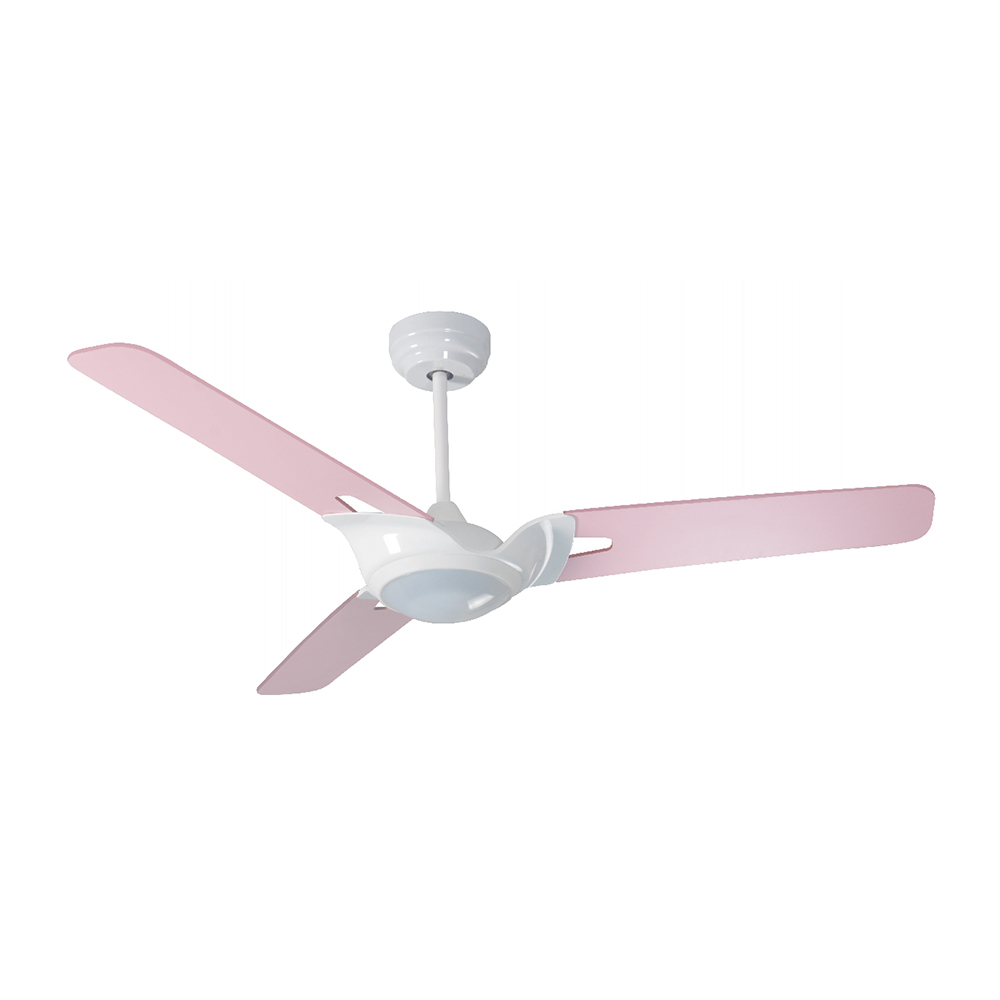
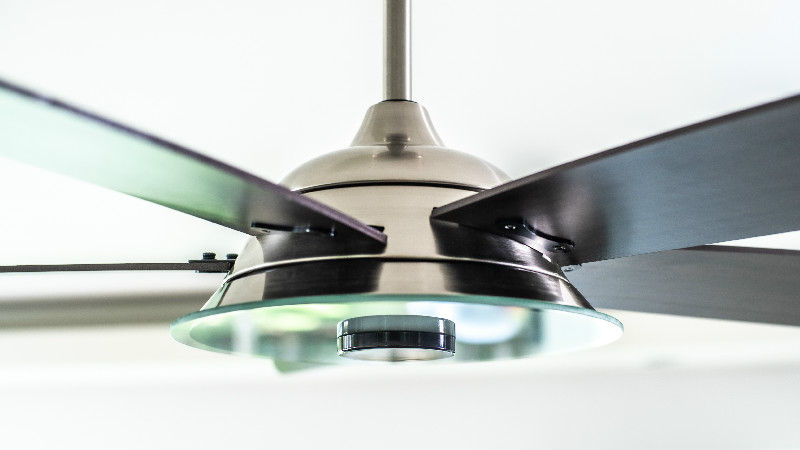
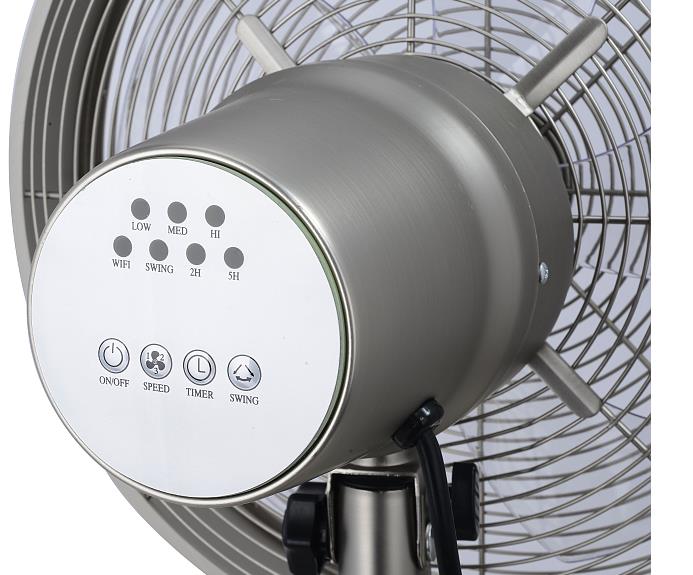
Smart Fans
Source Smart Fans in bulk from vetted manufacturers and suppliers. This catalog is built for importers, wholesale distributors, and appliance brands seeking reliable OEM and private-label production. Find factory-direct pricing on high-performance, IoT-enabled cooling solutions.
The shift from traditional cooling appliances to smart, IoT-enabled fans introduces significant complexity to the procurement process. Sourcing smart fans at scale requires balancing aerodynamic efficiency and motor longevity with stable wireless connectivity, app ecosystem integration, and strict electrical safety compliance. For volume buyers, the challenge lies in finding manufacturing partners who excel at both hardware injection molding and PCBA (Printed Circuit Board Assembly) integration.
Core Hardware: Motors and Connectivity
The foundation of any smart fan—whether a pedestal, tower, or ceiling model—is the motor. While legacy fans rely on alternating current (AC) motors, modern smart fans almost exclusively utilize Brushless DC (BLDC) motors. BLDC motors offer the granular speed control (often 10 to 100 distinct speed settings) required for "smart" features like natural wind simulation and sleep modes.
| Specification | AC Motor Fans | BLDC Motor Fans |
|---|---|---|
| Energy Consumption | High (Standard) | Up to 70 percent lower |
| Speed Control | 3 to 4 fixed speeds | Stepless or up to 100 speeds |
| Noise Level | Moderate to High | Ultra-low (often under 30dB) |
| BOM Cost Impact | Lower baseline cost | Premium cost, higher ROI |
Beyond the motor, the choice of IoT module dictates the fan's market compatibility. Most factories rely on third-party IoT ecosystems. Tuya is the industry standard for white-label smart home appliances, offering ready-made Wi-Fi (2.4GHz) and Bluetooth (BLE) modules that integrate easily into the factory's existing PCBA designs. If you are developing a proprietary app, you will need a supplier capable of custom firmware flashing and robust OEM/ODM Services.
Struggling to align motor specifications with your target price point? Let us help you identify factories with the right technical capabilities.
Talk to our teamManufacturing Quality and Factory Floor Risks
A smart fan is only as good as its assembly. Poor quality control during manufacturing leads to rattling plastics, connectivity drops, and motor burnout. When vetting suppliers, it is crucial to audit their testing facilities. Reputable manufacturers will have anechoic chambers for noise testing and wind tunnels for CFM (Cubic Feet per Minute) validation.
Critical Quality Control Checkpoints
Pre-Shipment Inspection Focus Areas
- Dynamic Blade Balancing: Ensures blades are perfectly weighted to prevent high-speed vibration and motor wear.
- PCBA Conformal Coating: Protects the smart module and circuitry from humidity, especially critical for fans used in tropical climates or near open windows.
- Injection Molding Tolerances: Checks for flash or warping on the fan housing that could cause creaking during oscillation.
- Over-the-Air (OTA) Update Testing: Verifies that the Wi-Fi module can successfully receive and install firmware updates without bricking.
Implementing rigorous Quality Control & Inspection at the factory level prevents these defects from reaching your warehouse. Furthermore, smart fans must pass stringent electrical and RF testing. Ensure your supplier can provide valid documentation for CE (Europe), FCC (USA), and RoHS, or partner with a firm that manages Compliance & Testing on your behalf.
Sourcing Mechanics: MOQs, Pricing, and Lead Times
Smart fans command a higher Bill of Materials (BOM) cost than standard fans due to the BLDC motor, the IoT module, and the required power delivery components (converting AC wall power to DC for the motor).
Pricing is highly elastic based on the "smart" features included. A basic Wi-Fi module integrated into a standard pedestal fan adds minimal cost. However, adding environmental sensors (temperature, humidity, or PM2.5 air quality sensors) that trigger automated fan responses will significantly increase the unit price. Custom tooling for unique fan blade designs or proprietary housing will also require upfront NRE (Non-Recurring Engineering) fees and extend initial lead times.
Need to negotiate lower MOQs for a pilot run or coordinate complex OEM tooling? Our sourcing experts can manage the factory negotiations.
Get sourcing supportFrequently Asked Questions
Successfully sourcing smart fans means looking beyond the outer plastic shell and understanding the integration of the motor, PCBA, and wireless protocols. By partnering with manufacturers who possess mature R&D capabilities and robust testing infrastructure, you can build a reliable, high-margin product line. When you are ready to move from concept to mass production, having experienced eyes on the factory floor makes all the difference.
Get Sourcing Help for Smart Fans
Tell us your requirements and our experts will connect you with verified manufacturers.