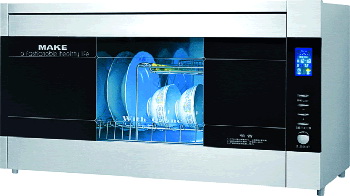
Smart Dishwashers
Source Smart Dishwashers from vetted suppliers and manufacturers across China and Asia. This catalog is tailored for importers, wholesalers, appliance distributors, and brands seeking reliable OEM/ODM and private-label production. Discover high-quality, IoT-enabled dishwashing solutions for bulk procurement.
Sourcing smart dishwashers requires balancing core mechanical reliability—water pressure, heating elements, and pump longevity—with stable IoT connectivity. Unlike standard appliances, smart models introduce complex PCB architectures and wireless modules that must operate flawlessly in high-heat, high-moisture environments. Buyers must navigate a supply chain where a failure in either the digital integration or the BLDC motor can lead to unacceptable return rates.
Key Specifications for OEM & Wholesale Buyers
When negotiating with manufacturers, the bill of materials (BOM) drives both performance and unit cost. Relying on superficial cosmetic features while ignoring the internal architecture is a common sourcing pitfall.
Focus on these critical technical parameters:
- Motor Technology: Brushless DC (BLDC) motors are mandatory for premium models. They offer precise variable spray pressure, lower energy consumption, and significantly reduced noise (often under 42 dB) compared to traditional AC motors.
- IoT & Connectivity Modules: Most export-focused factories utilize standardized Wi-Fi/Bluetooth modules compatible with white-label ecosystems like Tuya. Ensure the factory provides OTA (Over-The-Air) update capabilities to patch firmware bugs post-deployment.
- Drying Mechanisms: Standard models use residual heat or active fan drying. Premium OEM models increasingly integrate auto-open door mechanisms or zeolite/mineral-based drying systems for superior plastic drying performance.
| Component | Standard Market Entry | Premium OEM/ODM |
|---|---|---|
| Motor Type | Single AC Motor | Dual BLDC (Wash & Drain) |
| Noise Level | 47 dB to 52 dB | 38 dB to 44 dB |
| Connectivity | Basic Wi-Fi (App Control) | Wi-Fi + Matter/Voice Assistant |
| Drying Tech | Active Fan / PTC Heater | Auto-Open / Zeolite Integration |
Struggling to verify smart module reliability across multiple factory quotes? We can help you vet suppliers and standardize your technical requirements.
Talk to our teamManufacturing Tolerances and Quality Control
The integration of electronics into water-bearing appliances makes quality assurance challenging. The factory's testing infrastructure is just as important as their assembly capabilities. Conducting thorough Factory Audits is essential to verify that a supplier possesses the necessary anechoic chambers for noise testing and automated end-of-line leak detection systems.
Critical Areas for In-Line Inspection
When setting up your Quality Control & Inspection protocols, mandate specific checks for both the mechanical and digital systems:
Smart Dishwasher QC Priorities
- PCB Conformal Coating: Verify that all control boards have adequate moisture-resistant coating.
- Pneumatic Leak Testing: Ensure 100% of units undergo pressure decay testing before final assembly to detect micro-leaks in the tub or hoses.
- IoT Module Provisioning: Test a sample of units on the assembly line for successful pairing with the companion app and Wi-Fi network.
- Door Hinge Cycle Testing: Confirm the factory conducts accelerated lifecycle testing on the auto-open door actuators.
- Dielectric Voltage-Withstand (Hi-Pot) Testing: Mandatory electrical safety check for all units off the line.
Sourcing Dynamics: MOQs, Lead Times, and Compliance
Developing a smart dishwasher line requires significant upfront alignment on compliance and customization. Private-labeling an existing factory chassis requires lower volume than developing custom tooling for new tub dimensions or proprietary wash arms.
If you are pursuing custom fascia designs, proprietary app interfaces, or unique tub configurations, utilizing specialized OEM/ODM Services ensures that your intellectual property is protected and that tooling costs are negotiated transparently.
Furthermore, smart dishwashers require dual-track certification. You must clear electrical/water safety standards (UL, CE, CB, Energy Star) while simultaneously securing RF/wireless approvals (FCC, RED) for the IoT modules. Coordinating this through specialized Compliance & Testing partners prevents customs delays.
Need to align your production schedule with strict compliance testing? Let's discuss how to streamline your supply chain from the factory floor to final delivery.
Get a free consultationFrequently Asked Questions
Successfully sourcing smart dishwashers means looking past the touchscreens and app interfaces to validate the underlying mechanical engineering and factory testing protocols. By establishing strict BOM requirements and rigorous end-of-line testing, buyers can secure high-margin appliances that perform reliably in the field.
Get Sourcing Help for Smart Dishwashers
Tell us your requirements and our experts will connect you with verified manufacturers.