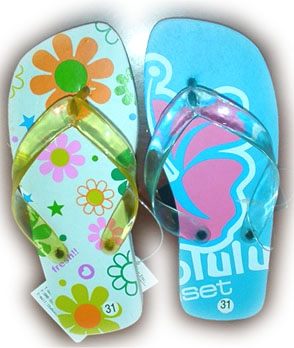
Slippers
Source premium children's slippers from vetted manufacturers and wholesale suppliers across Asia. Designed for importers, distributors, and footwear brands seeking reliable OEM and private-label production, our network delivers compliant, high-volume manufacturing tailored to your exact specifications and market regulations.
Sourcing children's slippers at scale requires balancing plush comfort with rigorous safety and durability standards. Because these products face heavy wear, frequent washing, and strict chemical regulations, selecting a factory with specialized footwear assembly lines and verified material supply chains is critical. A successful production run depends on precise sole engineering, secure bonding techniques, and comprehensive compliance testing.
Material Specifications and Sole Engineering
The foundation of a high-quality children's slipper lies in the outsole material and the upper fabric. Outsoles must provide adequate friction to prevent slips on hard floors, while remaining flexible enough for developing feet.
| Sole Material | Characteristics | Typical Application |
|---|---|---|
| TPR (Thermoplastic Rubber) | High slip resistance, excellent flexibility, heavier weight | Premium indoor/outdoor everyday slippers |
| EVA (Ethylene Vinyl Acetate) | Ultra-lightweight, cost-effective, lower abrasion resistance | Entry-level or lightweight indoor slippers |
| Fabric with Silicone Dots | Soft, breathable, minimal structural support | Infant and early-walker soft-sole slippers |
When specifying uppers, buyers typically choose between coral fleece, polar fleece, faux fur, or cotton blends. The density of the fleece (measured in GSM - grams per square meter) directly dictates the perceived quality and longevity of the slipper. High-density materials resist matting and pilling after washing.
Need help matching materials to your target price point? Connect with our sourcing engineers.
Discuss Your SpecsManufacturing Process and Quality Control
Most plush slippers utilize a cementing process where the upper is glued to the outsole, though some high-volume EVA slippers use injection molding. The cementing process is where quality is most frequently compromised. Insufficient glue application, improper curing temperatures, or inadequate pressing time will result in sole separation.
Implementing rigorous Quality Control & Inspection is non-negotiable. Inspectors should perform physical pull tests on the production line to ensure the bonding strength meets acceptable tolerances (typically a minimum of 2.5kg to 3.0kg of peel strength).
Critical Factory-Level Quality Checks
- Bonding strength pull tests to prevent sole delamination
- Needle detection for all plush and fabric components
- Symmetry checks (left/right matching for pile direction and color)
- Pull testing on all attached ornaments (eyes, ears, bows) to prevent choking hazards
- Seam strength testing on the upper stitching
Chemical Compliance and Safety Testing
Children's footwear is heavily regulated in major markets. Importers must ensure that all materials, dyes, and adhesives comply with regulations like CPSIA (US) or REACH (EU). This requires proactive Compliance & Testing for restricted substances, including heavy metals, phthalates in PVC or TPR soles, and azo dyes in textile uppers. Relying solely on a supplier's past test reports is a significant risk; batch-specific testing is the only way to guarantee compliance.
Customization and OEM Production
For brands developing proprietary designs, working with suppliers that offer robust OEM/ODM Services is essential. Customization extends beyond adding a logo; it involves custom sizing molds, bespoke upper patterns (such as 3D animal shapes), and custom-dyed fabrics to match Pantone references.
Be aware that custom TPR or EVA outsoles require new steel or aluminum molds. While upper patterns can be graded easily, physical molds incur tooling costs for every single size gradient, which must be factored into your initial investment.
Pricing, MOQs, and Lead Times
Footwear manufacturing is volume-dependent. Minimum Order Quantities (MOQs) are largely dictated by the fabric mills and the dyeing process rather than the final assembly.
If your volume is below the custom-dye threshold, utilizing stock fabric colors can significantly reduce both MOQs and lead times, allowing you to focus customization on embroidery, labels, and packaging.
Ready to optimize your footwear supply chain? Talk to our sourcing team today.
Get a Free ConsultationFrequently Asked Questions
Navigating the complexities of children's footwear production requires technical oversight from material selection through to final assembly. By partnering with a team that handles comprehensive Product Sourcing, you can secure reliable factory partnerships, ensure strict regulatory compliance, and deliver a safe, high-quality product to your market.
Get Sourcing Help for Slippers
Tell us your requirements and our experts will connect you with verified manufacturers.