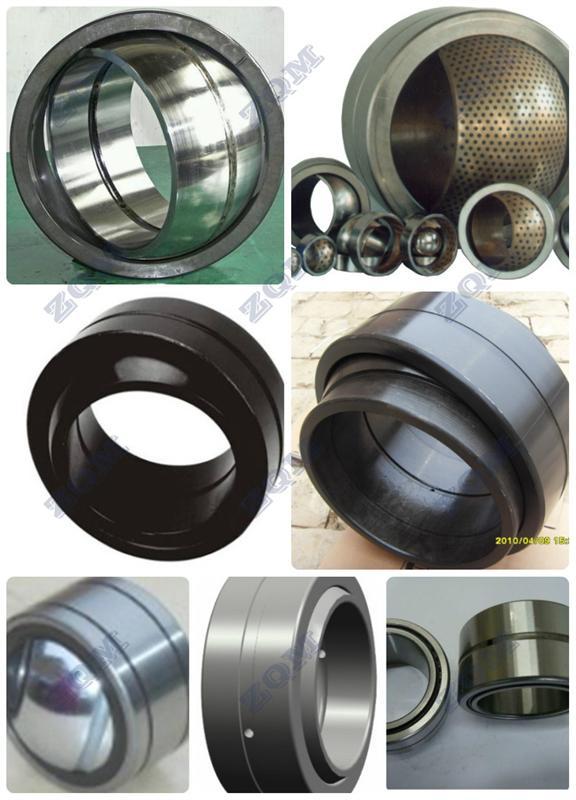
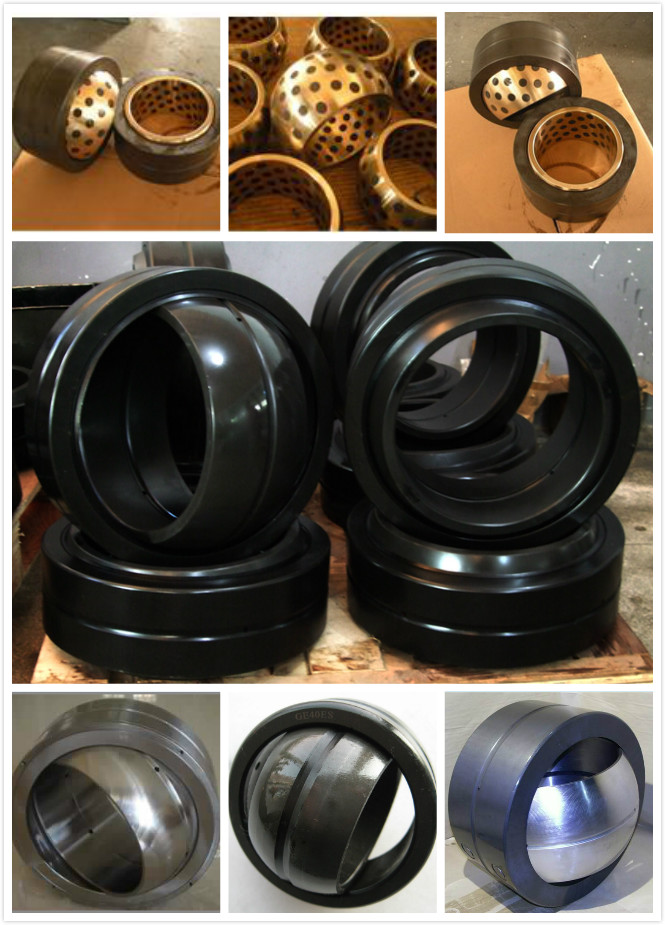
Sliding Bearings
Source high-quality sliding bearings from vetted Chinese manufacturers and suppliers. Designed for importers, wholesalers, and brands seeking reliable OEM production, we connect you with top-tier factories for bulk orders, ensuring competitive pricing and strict quality control for your power transmission needs.
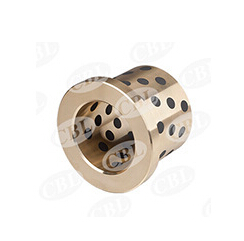
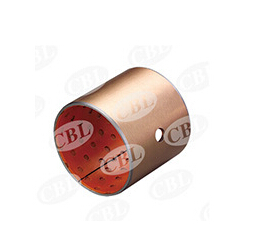
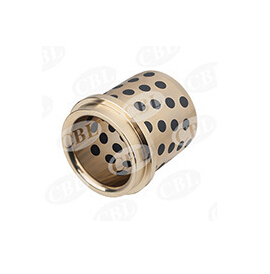
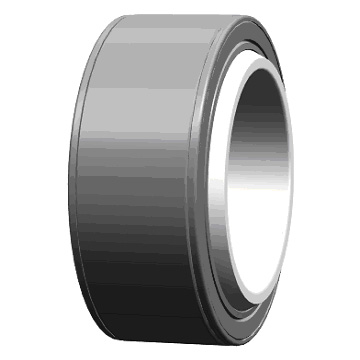
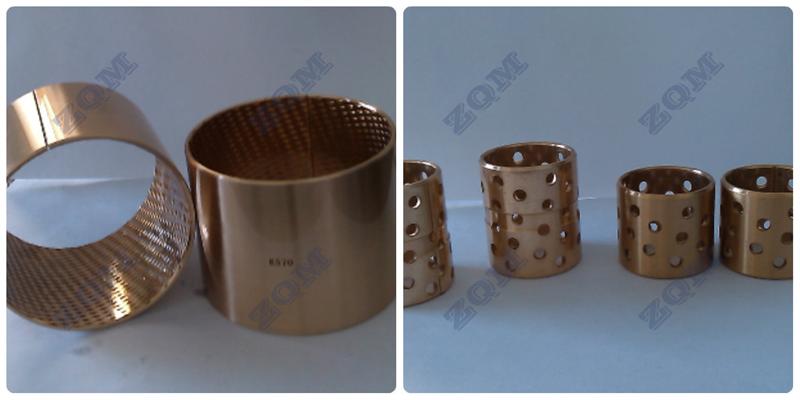
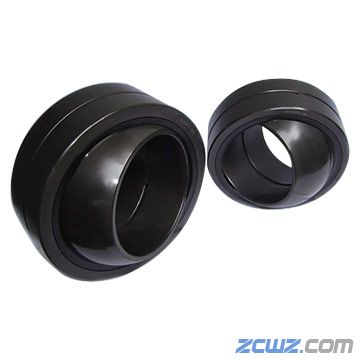
Sourcing sliding bearings (often referred to as plain bearings or bushings) at volume requires strict attention to material composition and dimensional tolerances. Whether you are procuring standard self-lubricating bushings for distribution or engineering custom bimetallic bearings for heavy machinery, the core challenge is finding a factory that maintains consistent metallurgical quality and machining precision across large production runs.
Key Material Specifications
The performance of a sliding bearing is dictated by its material structure and its PV limit (the maximum allowable product of pressure and velocity). Buyers must clearly specify the exact alloy compositions and backing materials, as factories often substitute lower-grade metals if specifications are vague.
| Material Type | Primary Application | Key Characteristic |
|---|---|---|
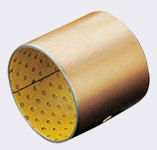
| PTFE-Lined (DU) | Dry running, high continuous loads | Extremely low friction without external lubrication |
| POM-Lined (DX) | Marginal lubrication environments | Excellent wear resistance under dirty conditions |
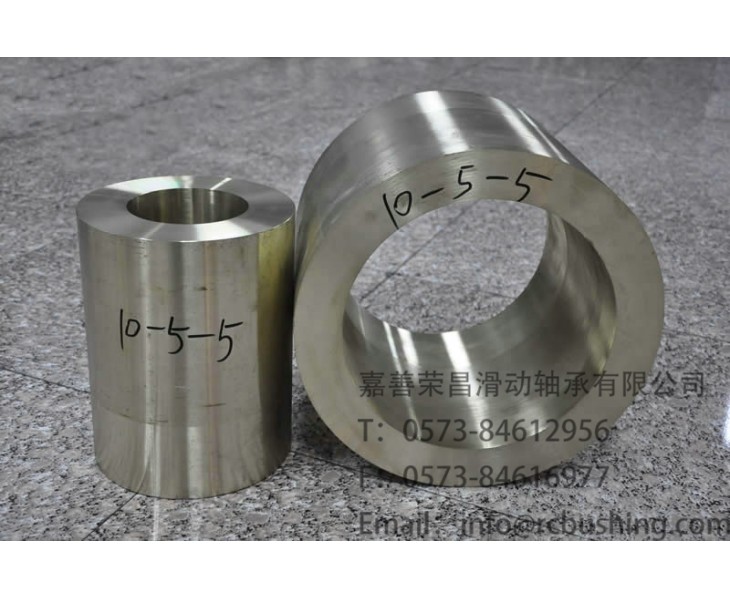
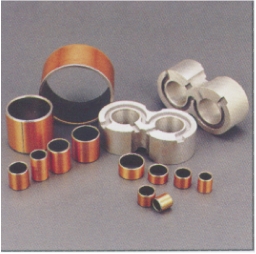
| Solid Cast Bronze | Heavy load, low speed applications | High structural integrity and corrosion resistance |
| Bimetallic | High impact and oscillating loads | Low-carbon steel backing sintered with bronze alloy |
Manufacturing Red Flags and Quality Control
A supplier's capability is directly tied to their sintering furnaces and CNC machining precision. Inconsistent temperature control during the sintering process leads to poor bonding between the steel backing and the porous bronze layer, resulting in catastrophic delamination in the field.
To prevent this, serious buyers rely on thorough Factory Audits to verify equipment maintenance logs and raw material sourcing records before placing an order.
Critical Pre-Shipment Inspection Points
- Dimensional tolerances (specifically inner/outer diameter to ISO H7/m6 standards).
- Surface roughness (Ra) of the sliding layer to ensure minimal initial wear.
- Adhesion testing of the PTFE or POM layer to the bronze matrix.
- Verification of raw material certificates (especially copper and tin percentages in bronze alloys).
Struggling with inconsistent bearing tolerances or premature wear? Let us audit and vet suppliers that meet your exact engineering specifications.
Talk to our teamBeware of Material Substitution
In solid bronze and bimetallic bearings, the cost is heavily driven by copper prices. Unverified suppliers may reduce the tin or copper content and increase cheaper elements like zinc or lead, compromising the bearing's load capacity. Always require independent material analysis.
Production Realities: MOQs, Pricing, and Lead Times
China's primary manufacturing hub for sliding bearings is located in Zhejiang province (particularly around Jiashan), which houses hundreds of factories ranging from small workshops to highly automated facilities.
Pricing is highly sensitive to global metal commodities. When sourcing custom dimensions or proprietary alloys through OEM/ODM Services, expect higher tooling costs and minimum order quantities.
Because sliding bearings are dense and heavy, shipping costs can heavily impact your landed unit price. Implementing strict Quality Control & Inspection at the factory is vital; discovering out-of-tolerance parts after they have crossed the ocean is a costly error.
Need to negotiate better terms, manage tooling for custom sizes, or consolidate heavy shipments? We can manage the entire process.
Get a free consultationFrequently Asked Questions
Success in sourcing sliding bearings relies on moving beyond surface-level catalog specifications to verify the actual metallurgical integrity and machining consistency of the supplier. Partnering with experienced professionals ensures you secure reliable components that protect your product's reputation.
Get Sourcing Help for Sliding Bearings
Tell us your requirements and our experts will connect you with verified manufacturers.