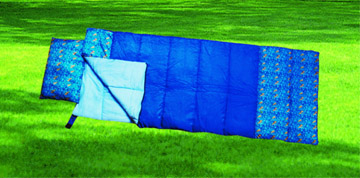
Sleeping Bags
Source high-quality sleeping bags from vetted suppliers and manufacturers across Asia. Designed for importers, outdoor gear distributors, and brands seeking reliable OEM and private-label production, our bulk wholesale network delivers verified factory partners capable of meeting strict thermal ratings and material standards.
Sourcing sleeping bags at scale requires balancing thermal performance, material weight, and unit cost while ensuring strict consistency across production runs. The primary challenge lies in verifying that the factory's fill power, fabric denier, and baffle construction match your approved prototypes, as shortcuts in insulation distribution or stitching density will directly compromise the product's temperature rating and field performance.
Core Specifications and Insulation Types
Specifying a sleeping bag requires precise instructions regarding insulation metrics, shell fabrics, and structural design. Ambiguity in your tech pack often leads to factories substituting lower-grade materials to improve their margins.
Insulation: Down vs. Synthetic
The choice of insulation dictates the manufacturing complexity and raw material costs.
- Down Insulation: Measured in Fill Power (FP), typically ranging from 500 FP to 900+ FP. Higher fill power means greater loft and insulation for the same weight. You must specify the down-to-feather ratio (e.g., 90/10) and require Responsible Down Standard (RDS) certification if targeting premium markets.
- Synthetic Insulation: Measured in grams per square meter (GSM). While heavier and less compressible than down, synthetic fibers (often proprietary polyester blends) retain insulating properties when wet and are significantly cheaper to source.
| Specification | Down Insulation | Synthetic Insulation |
|---|---|---|
| Warmth-to-Weight | Excellent (highly compressible) | Moderate (bulkier) |
| Wet Performance | Poor (unless treated with hydrophobic DWR) | Excellent (retains loft) |
| Cost & Sourcing | High cost, subject to commodity fluctuations | Lower cost, stable supply chain |
Shell and Lining Fabrics
The shell fabric must balance durability with weight. Most sleeping bags utilize Nylon or Polyester ripstop. Denier (D) is the critical metric: ultralight bags use 10D to 20D fabrics, while heavier camping bags use 30D to 50D. You must also specify the Durable Water Repellent (DWR) coating requirements, ensuring the factory uses environmentally compliant (PFC-free) treatments if mandated by your target market.
Navigating complex thermal testing standards and material specs? Merhein ensures your factory partners meet exact technical requirements without cutting corners.
Talk to our teamManufacturing Tolerances and Quality Control
The physical construction of a sleeping bag is where quality is won or lost on the factory floor. Proper baffle construction prevents the insulation from migrating, which creates cold spots.
Baffle Construction Techniques
- Sewn-Through: The shell and lining are stitched directly together. This is cheaper and faster to produce but creates cold spots along the seams. Suitable for summer or budget bags.
- Box Baffle: Uses a vertical wall of mesh netting between the shell and lining, allowing down to loft fully without pinching at the seams. Essential for cold-weather bags but requires specialized sewing equipment and higher labor costs.
Factory Floor Vulnerabilities
Even with the right materials, poor execution ruins the final product. Implementing rigorous Quality Control & Inspection is non-negotiable. Watch for inconsistent fill weights across different baffles, dropped stitches on the zipper draft tubes, and improper zipper alignment that leads to snagging.
Critical Pre-Shipment Inspection Points
- Verify exact fill weight per baffle against the approved tech pack.
- Inspect zipper functionality, ensuring anti-snag tape is correctly stitched.
- Check seam tape and DWR coating application for uniformity.
- Measure loft height after removing the bag from compression packaging.
- Validate RDS certificates and material origin documentation.
Furthermore, if your brand claims specific temperature ratings, you must ensure your supplier's prototypes pass standardized testing (like EN ISO 23537). Utilizing professional Compliance & Testing services guarantees your marketing claims hold up to regulatory scrutiny.
Sourcing Realities: MOQ, Pricing, and Lead Times
When engaging factories for OEM/ODM Services, understanding standard industry terms helps you negotiate effectively and plan your supply chain.
Raw material availability heavily influences lead times. Custom-dyed fabrics or specialized down blends require longer lead times than off-the-shelf materials. Because sleeping bag production is highly seasonal, factory capacity tightens significantly ahead of the spring/summer delivery windows. Conducting thorough Factory Audits before placing large orders ensures your chosen supplier actually has the production lines and workforce to meet your deadlines, rather than subcontracting to unvetted facilities.
Need to secure reliable production lines before peak season? We manage supplier negotiations and production schedules to keep your supply chain on track.
Get a free consultationFrequently Asked Questions
Successfully sourcing sleeping bags in bulk means looking past the initial unit price and rigorously auditing the factory's material supply chain and sewing capabilities. Proper oversight ensures your technical specifications translate reliably into the finished product.
Get Sourcing Help for Sleeping Bags
Tell us your requirements and our experts will connect you with verified manufacturers.