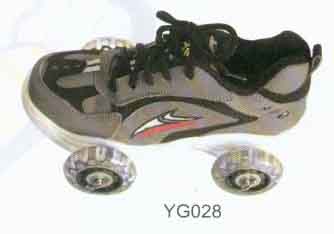
Skate Shoes
Source premium skate shoes from vetted manufacturers and suppliers across Asia. Designed for importers, footwear distributors, and brands seeking reliable OEM and private-label production, our network delivers bulk manufacturing with strict adherence to durability and performance standards.
Skate shoes require a precise balance of board feel, impact protection, and extreme abrasion resistance. Unlike standard casual sneakers, skate footwear must endure repetitive friction and high-impact landings. Sourcing these at scale means navigating complex supply chains, managing custom tooling costs for outsoles, and ensuring factory-level control over rubber compounds and upper construction.
When developing a new line or scaling existing production, your factory selection will largely depend on the specific construction method your tech pack requires.
Vulcanized vs. Cupsole Construction
Footwear manufacturers typically specialize in either vulcanized or cold cement (cupsole) construction. It is rare to find a facility that excels at both on the same production line, making supplier vetting critical.
| Specification | Vulcanized Construction | Cupsole (Cold Cement) |
|---|---|---|
| Manufacturing Process | Upper is taped to a raw rubber sole and baked in an oven to cure and bond. | Pre-molded rubber outsole is stitched and glued to the upper. |
| Performance Profile | Superior board feel, flexible, breaks in quickly. | Better impact protection, highly durable, stiffer initially. |
| Tooling Complexity | Lower upfront mold costs, easier to scale across sizes. | Requires expensive 3D steel molds for every half-size. |
| Factory Requirements | Requires industrial autoclaves/curing ovens. | Requires heavy stitching machinery and advanced adhesive lines. |
Need help matching your tech pack to the right manufacturing facility? We can audit and source the exact production lines your designs require.
Talk to our footwear teamKey Specifications for OEM Production
If you are utilizing OEM/ODM Services to build a proprietary skate shoe, you must explicitly define material grades in your bill of materials (BOM). Factories will default to standard market materials unless instructed otherwise.
- Upper Materials: Skate shoes demand heavy-duty materials. Specify suede thickness (typically 1.4mm to 1.6mm) or high-density canvas (12oz to 14oz). Action leather or PU synthetics are often used for budget models but offer inferior abrasion resistance.
- Rubber Compounds: The outsole rubber must balance grip and durability. Specify the DIN abrasion standard you require. High-performance skate shoes typically aim for a DIN abrasion volume loss of 70mm³ or lower (lower means more durable).
- Reinforcements: High-wear areas (like the Ollie pad and toe box) require hidden rubber underlays (Duracap-style) and triple stitching using heavy-duty nylon thread.
Executing these details requires rigorous Product Development to ensure the factory's lasts (the foot molds used for shaping) match your target demographic's fit profile.
Quality Control & Inspection Checklists
Skate shoes fail at the seams and the sole. Because the bonding process involves multiple layers of adhesives, primers, and heat treatments, rigorous in-line and pre-shipment inspections are mandatory.
Critical Footwear QC Checks
- Sole Adhesion (Peel Test): Mechanically testing the bond strength between the outsole, midsole, and upper (minimum 3.0 kg/cm required).
- Flex Testing (Bally Flex): Flexing the shoe up to 50,000 cycles to check for upper cracking or sole separation.
- Abrasion Resistance: Testing the outsole rubber and upper suede against standardized abrasive wheels.
- Stitching Density: Verifying stitches per inch (SPI) on critical high-stress panels.
- Symmetry and Lasting: Ensuring left and right shoes match in toe spring, heel height, and overall alignment.
Implementing professional Quality Control & Inspection before the goods leave the factory prevents catastrophic container-level rejections.
Pricing, Tooling, and Buying Mechanics
Footwear sourcing involves significant upfront capital, primarily due to tooling (molds). Outsole molds must be created for every size and half-size in your run.
When negotiating prices, volume is your strongest lever. Factories amortize the cost of cutting dies and setup times across the order. Small runs (under 500 pairs) often face heavy surcharges or are rejected outright by tier-one manufacturers.
Struggling with high tooling costs or inflexible MOQs? Let us negotiate with our network of vetted footwear manufacturers on your behalf.
Get a free consultationFrequently Asked Questions
Successfully sourcing skate shoes at scale requires moving beyond Alibaba directories and building direct relationships with specialized footwear facilities. Controlling your tooling, specifying precise rubber compounds, and maintaining strict quality oversight are the keys to delivering a product that performs on the board and margins that perform for your business.
Get Sourcing Help for Skate Shoes
Tell us your requirements and our experts will connect you with verified manufacturers.