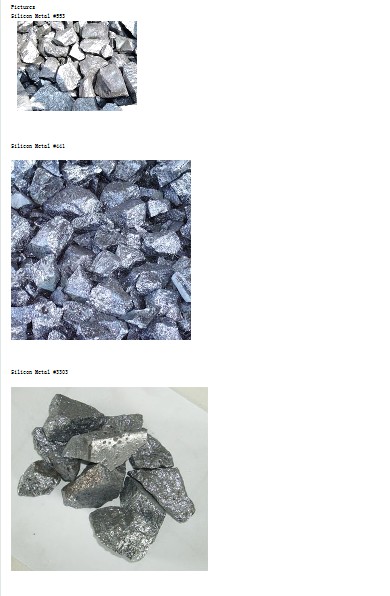
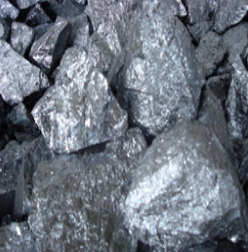
Silicon Ingots
Source high-purity silicon ingots from vetted manufacturers and suppliers across Asia. Designed for importers, distributors, and procurement managers buying in bulk, our network delivers consistent material grades for semiconductor, solar, and metallurgical applications.
Sourcing silicon ingots at scale requires strict adherence to purity requirements, precise crystallographic specifications, and a reliable supply chain. Whether you are procuring metallurgical-grade silicon for alloying or ultra-high-purity monocrystalline ingots for semiconductor and photovoltaic applications, the primary challenge lies in verifying factory capabilities and ensuring batch-to-batch consistency.
Silicon Ingot Grades and Specifications
The silicon market is highly segmented by purity. Specifying the correct grade and understanding the allowable trace impurities (such as boron, phosphorus, carbon, and oxygen) is critical. A supplier capable of producing high-quality metallurgical silicon may not have the cleanroom environments or advanced Czochralski (CZ) pullers required for electronic grades.
| Grade | Typical Purity | Primary Applications |
|---|---|---|
| Metallurgical (MG-Si) | 98% to 99.5% | Aluminum alloys, chemical silicones |
| Solar (SoG-Si) | 6N to 8N (99.9999% to 99.999999%) | Photovoltaic cells, solar panels |
| Electronic (EG-Si) | 9N to 11N | Semiconductor wafers, integrated circuits |
When negotiating with manufacturers, you must define the target resistivity, conductivity type (P-type or N-type), and crystallographic orientation (typically 100 or 111). Failing to lock these specifications into your purchase order often leads to receiving off-spec material that cannot be processed further.
Navigating the variance in Asian silicon production requires on-the-ground verification. Let our team match your exact purity and resistivity requirements with audited manufacturers.
Discuss Your SpecsManufacturing Processes and Quality Control
The method used to grow or cast the ingot directly dictates its internal structure and end-use viability. Monocrystalline ingots are typically grown using the Czochralski (CZ) or Float Zone (FZ) methods, which require precise temperature control and high-purity quartz crucibles. Multicrystalline ingots, often used for standard solar applications, are cast using directional solidification.
Quality is won or lost on the factory floor during the melting and crystallization phases. Crucible degradation can introduce oxygen, while graphite heater components can introduce carbon impurities. Conducting thorough factory audits before placing large orders is essential to verify the manufacturer's equipment maintenance schedules and raw material (polysilicon) sourcing.
Critical Pre-Shipment Quality Checks
- Resistivity mapping (verifying radial and axial gradients)
- Minority carrier lifetime testing for solar/electronic grades
- Fourier Transform Infrared Spectroscopy (FTIR) for interstitial oxygen and carbon
- Visual and X-ray inspection for twins, slip lines, and edge chipping
Implementing a rigorous quality control & inspection protocol at the factory prevents the shipment of ingots with structural defects that would otherwise shatter during the wafer-slicing process.
Pricing, MOQs, and Lead Times
Silicon ingot pricing is highly volatile and directly tied to regional energy costs, as both the initial carbothermic reduction of quartz and the subsequent crystallization are extremely energy-intensive. Suppliers in regions with subsidized or abundant renewable energy often offer more competitive FOB prices.
Minimum Order Quantities (MOQs) vary drastically by grade. While metallurgical grades are traded in metric tons, electronic-grade ingots can often be sourced in smaller batches due to their high value and specialized nature.
Silicon pricing fluctuates with regional energy costs. Contact us to benchmark current factory rates and secure stable long-term supply contracts.
Get Current PricingFrequently Asked Questions
Securing a reliable supply of silicon ingots requires moving beyond standard supplier directories and deeply vetting a factory's technical capabilities, raw material sources, and quality management systems. Professional supply chain management ensures that your specifications are met consistently, order after order, insulating your production lines from costly material failures.
Get Sourcing Help for Silicon Ingots
Tell us your requirements and our experts will connect you with verified manufacturers.