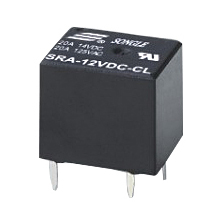
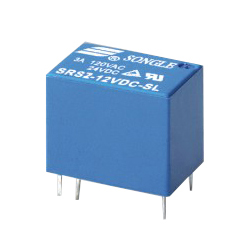
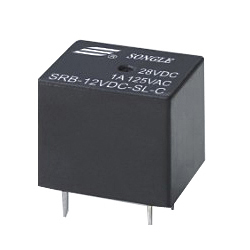
Signal Relays (Up to 2 Amps)
Source high-performance Signal Relays (Up to 2 Amps) from vetted suppliers and manufacturers in China and across Asia. Designed for electronics distributors, procurement managers, and OEM brands, we connect volume buyers with factories capable of delivering reliable, precision-engineered telecom and signal switching components at scale.
Sourcing signal relays for telecommunications, instrumentation, and logic circuits requires a strict focus on low-level contact reliability. When switching loads under 2A—and often in the milliamp or microamp range—the primary failure mode is not contact welding. Instead, it is oxidation and particulate contamination causing unacceptably high contact resistance. Securing reliable components in bulk means partnering with manufacturers who strictly control cleanroom environments and automated sealing processes.
Specifying Signal Relays for Low-Level Loads
Unlike power relays, signal relays must maintain ultra-low initial contact resistance (typically under 50 mΩ) over millions of mechanical operations. When ordering in volume, you must specify the exact contact material and configuration, as these directly dictate performance in dry-circuit conditions.
Gold-clad silver alloys (such as AgPd or AgNi) are standard to prevent oxidation. For critical telecom or measurement applications, bifurcated (twin) contacts are heavily preferred because they provide parallel switching paths, drastically reducing the chance of a single speck of dust interrupting the signal.
| Contact Configuration | Typical Application | Reliability for Micro-Loads |
|---|---|---|
| Single Contact (Gold-Clad) | General logic switching | Moderate |
| Bifurcated Contact (Gold-Clad) | Telecom & precision instrumentation | Excellent |
Beyond the contacts, coil sensitivity is a major cost and performance driver. High-sensitivity coils (operating on 150mW to 200mW) reduce thermal footprint in densely packed PCBs but require finer copper winding during manufacturing, which demands higher-tier automated winding equipment at the factory.
Need help identifying factories with the right automated production lines for high-sensitivity signal relays? We can streamline your sourcing process.
Talk to our teamManufacturing Quality and Factory Vetting
The integrity of a signal relay is won or lost in the sealing process. Because these relays are often subjected to automated PCB washing processes (using flux and solvents), they must be fully sealed (wash-tight, typically RT III equivalent). If a factory's epoxy sealing process is inconsistent, outgassing from the plastics or ingress from cleaning solvents will coat the contacts, leading to premature field failures.
When evaluating a new supplier, robust Factory Audits are essential to verify their cleanroom standards and automated assembly capabilities. Human interaction with open relay assemblies is a major source of contamination.
Critical Factory QC Checks for Signal Relays
- Automated coil winding with tension monitoring to prevent wire breakage.
- Cleanroom assembly environments to eliminate dust prior to sealing.
- 100 percent automated leak testing (often using mass spectrometry or bubble testing) for RT III wash-tight seals.
- Dielectric withstand voltage and surge strength testing (e.g., 1500V FCC Part 68 compliance).
- Dynamic contact resistance testing over initial mechanical cycles.
Implementing strict Quality Control & Inspection protocols before shipment ensures that the batch meets your specified dielectric strength and operate/release time tolerances.
Customization and Footprint Standardization
While many signal relays follow standard industry footprints (such as the classic DIL or SMT telecom relay layouts), brands developing specialized hardware often require custom coil voltages, specific pinout configurations, or modified latching behaviors (single-coil vs. dual-coil latching). Engaging a partner for OEM/ODM Services allows you to lock in these custom specifications while ensuring the factory has the tooling capability to produce the custom bobbins and lead frames accurately.
Pricing, Lead Times, and MOQs
Signal relay pricing is highly dependent on contact material (fluctuations in gold and palladium prices), coil sensitivity, and packaging (tape and reel for SMT vs. tube for THT).
Managing the procurement of millions of units requires tight coordination. Effective Supply Chain Management ensures that your production lines are never starved for components, balancing sea freight schedules with factory lead times.
Looking to negotiate better terms or consolidate your electronic component supply chain? Let our experts handle the logistics and supplier management.
Get a free consultationFrequently Asked Questions
Procuring signal relays in bulk is an exercise in risk mitigation. The cost of a failed relay in the field far outweighs the fractional savings of choosing an unverified manufacturer. By enforcing strict quality standards and partnering with factories capable of advanced, automated assembly, you secure the reliability your product lines demand.
Get Sourcing Help for Signal Relays (Up to 2 Amps)
Tell us your requirements and our experts will connect you with verified manufacturers.