Shopping Bags
Source bulk shopping bags directly from vetted manufacturers and wholesale suppliers across Asia. Designed for importers, distributors, and brands seeking reliable OEM and private-label production, our network delivers scalable capacity and strict quality oversight for high-volume procurement.
Sourcing shopping bags at scale requires balancing aggressive unit costs with reliable load-bearing performance and strict material compliance. Whether you are procuring lightweight promotional totes or heavy-duty reusable grocery bags, success depends on specifying the right material weights, structural reinforcements, and printing methods before production begins.
Material Specifications and Structural Engineering
The foundation of a durable shopping bag lies in its material density and construction method. Buyers must explicitly define these parameters in their purchase orders to prevent factories from substituting inferior materials to widen their margins.
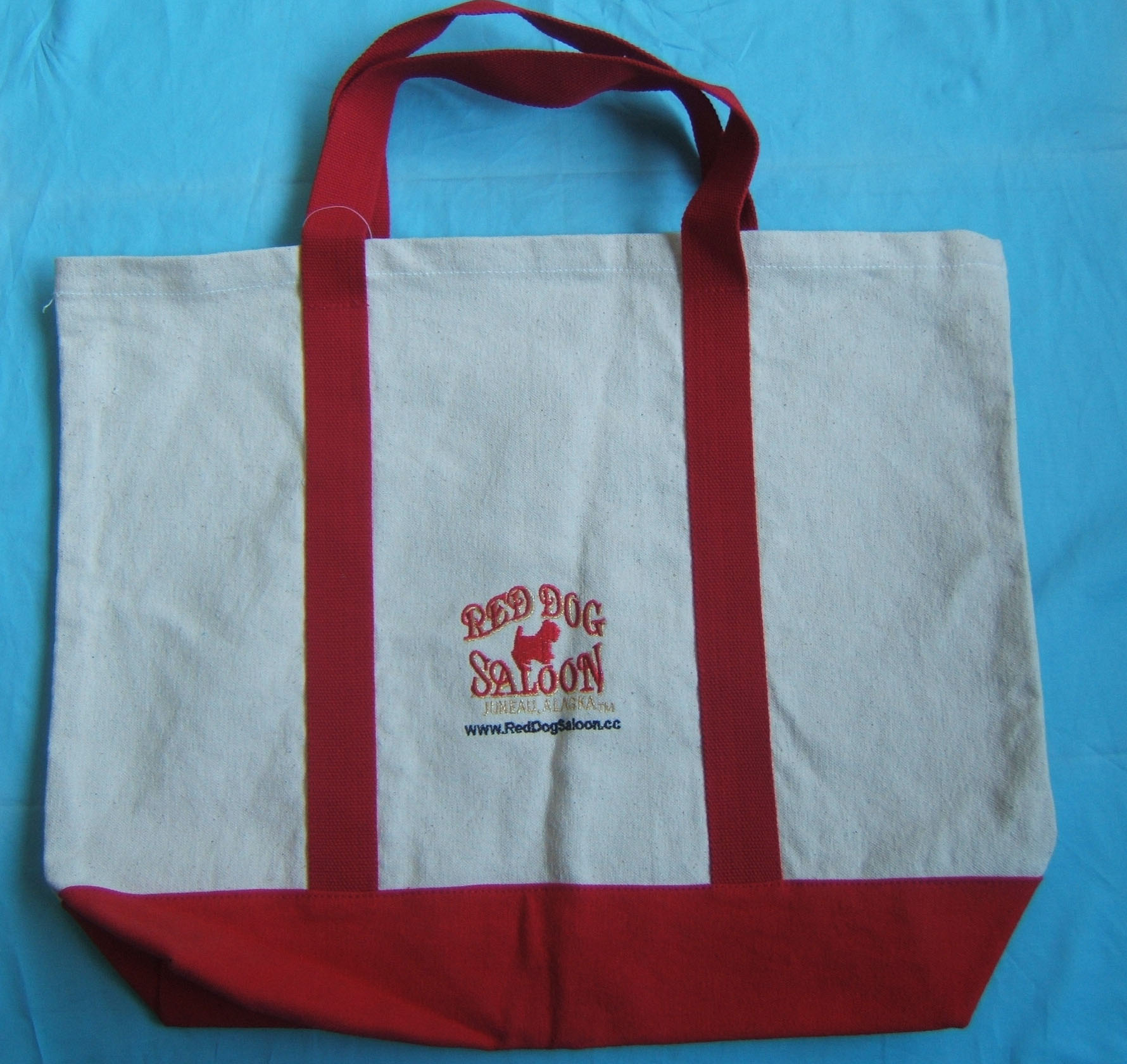
For non-woven polypropylene (PP) and cotton canvas bags, density is measured in GSM (Grams per Square Meter). A standard promotional non-woven bag typically uses 80 GSM, while heavy-duty grocery bags require 100 to 120 GSM to prevent tearing under load. For polyester or nylon bags, density is measured in Denier (D), with 190T or 210D being common for foldable shopping bags.
Handle construction is the most critical failure point. Specifications must detail the handle material (self-material vs. nylon webbing), width, length, and attachment method. Heavy-duty bags require handles that extend down the entire body of the bag or are secured with an "X" stitch (cross-stitch) at the attachment points.
Need help standardizing your product specifications? We can connect you with capable manufacturers and manage the technical details.
Talk to our teamConstruction Methods: Sewn vs. Ultrasonic Welding
When developing non-woven shopping bags, you must choose between traditional sewing and ultrasonic welding (heat sealing). This choice drastically impacts production speed, unit cost, and load capacity.
| Feature | Ultrasonic Welding | Traditional Sewing |
|---|---|---|
| Manufacturing Speed | High (automated) | Moderate (manual labor) |
| Unit Cost | Lower | Higher |
| Load Capacity | Up to 5 kg | 10 kg and over |
| Aesthetic | Flat, pressed edges | Visible stitching, piping options |
If you are utilizing OEM/ODM Services to develop a custom retail bag, traditional sewing with reinforced piping (edge binding) is highly recommended for longevity and brand perception.
Manufacturing Tolerances and Quality Control
Quality is won or lost on the factory floor during the cutting and assembly phases. Inconsistent cutting leads to skewed bag shapes, while poor stitching density compromises structural integrity.
Standard sewing should maintain a minimum of 8 to 10 SPI (Stitches Per Inch). Anything less reduces production time for the factory but results in seams that pull apart under tension. Proper Quality Control & Inspection during the in-line and pre-shipment phases is vital to catch these defects before the goods are containerized.
Critical QC Checks for Shopping Bags
- Load testing: Suspend the bag with a specified weight (e.g., 10 kg) for 24 hours to check for handle tearing.
- Seam strength: Verify SPI and inspect for dropped stitches or loose threads at the handle base.
- Print adhesion: Perform a tape test on printed logos to ensure ink does not flake or peel.
- Material verification: Weigh a one-square-meter cutout to confirm the GSM matches the specification sheet.
- Color fastness: Test for dye transfer (crocking), especially critical for dark canvas or dyed cotton bags.
Pricing Drivers, MOQs, and Production Realities
The unit cost of a shopping bag is driven by material weight, physical dimensions, construction method, and printing technique.
Printing heavily dictates both cost and Minimum Order Quantities (MOQs). Simple vector logos can be silk-screened with low setup costs and lower MOQs. However, full-color, edge-to-edge photographic prints require laminated gravure printing. Gravure requires the factory to engrave copper cylinders for each color layer, resulting in high setup fees (often hundreds of dollars per color) and significantly higher MOQs to amortize the cost.
Before committing to a large gravure-printed order, conducting thorough Factory Audits is crucial to verify that the supplier has the actual in-house machinery required, rather than subcontracting the lamination to a lower-tier facility.
Struggling with high MOQs or inconsistent print quality? Let us negotiate with vetted suppliers on your behalf.
Get a free consultationFrequently Asked Questions
Executing a successful high-volume shopping bag order requires tight control over material specifications and a clear understanding of printing constraints. By locking down GSM, handle reinforcement, and print methods early, buyers can secure competitive pricing without sacrificing the durability their end-users expect.
Get Sourcing Help for Shopping Bags
Tell us your requirements and our experts will connect you with verified manufacturers.