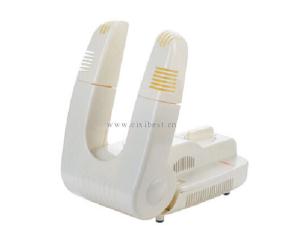
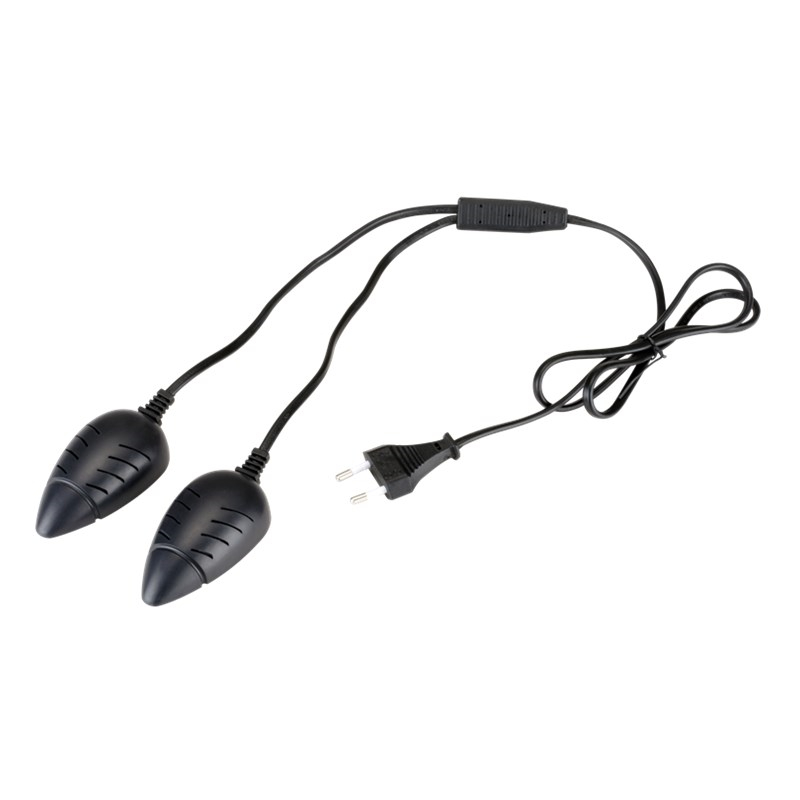
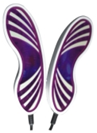
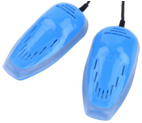
Shoe Dryers
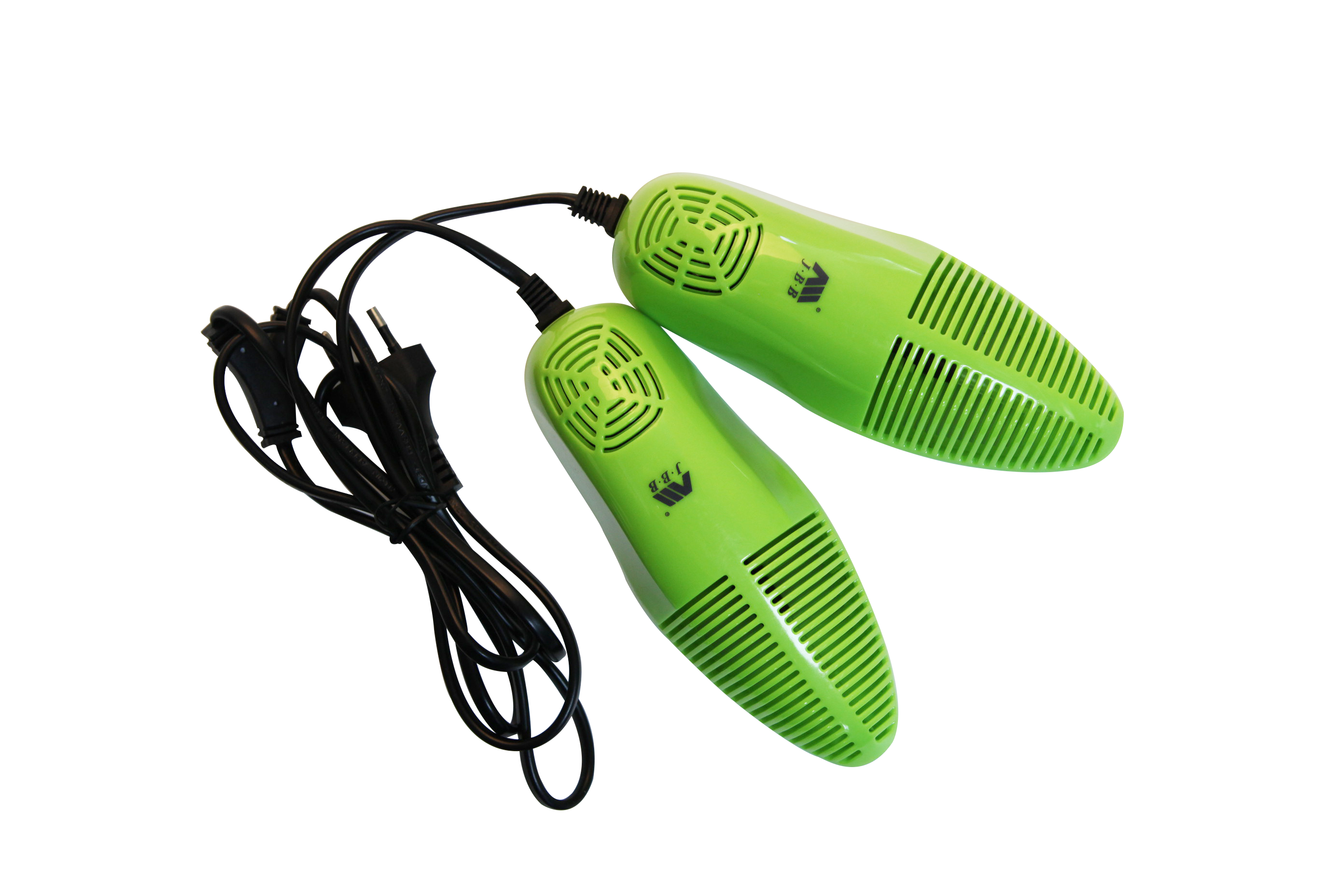
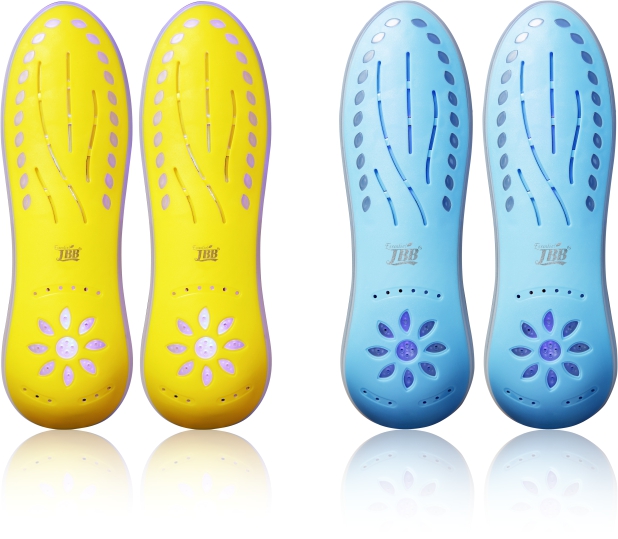
Source high-quality Shoe Dryers in bulk directly from vetted manufacturers and wholesale suppliers. Designed for importers, distributors, and brands seeking reliable OEM and private-label production, our network delivers compliant, high-performance shoe care electronics with competitive pricing and strict quality control.
Sourcing electric shoe dryers requires balancing thermal performance with strict electronic safety standards. The core challenge lies in finding factories that consistently use properly rated heating elements and fire-retardant plastics, rather than cutting costs on internal components that compromise safety or longevity.
Critical Specifications for Bulk Orders
When evaluating suppliers, the internal component architecture dictates both market viability and regulatory compliance. Buyer specifications must clearly define the heating technology, safety mechanisms, and housing materials.
- Heating Elements: Positive Temperature Coefficient (PTC) ceramics are the industry standard for premium models. They self-regulate temperature, preventing overheating without relying solely on secondary thermostats. Cheaper models use standard resistance wire, which requires robust thermal cut-off switches to prevent melting.
- Airflow Systems: Forced-air dryers utilize internal fans. Specify the fan's cubic feet per minute (CFM) rating and noise level (measured in decibels). A standard specification for residential models is a noise output under 50 dB.
- Housing Materials: The exterior must be molded from fire-retardant plastics. Specify UL 94 V-0 rated ABS or Polycarbonate (PC) to ensure the enclosure will self-extinguish in the event of an internal short.
| Heating Technology | Thermal Regulation | Safety Profile | Cost Impact |
|---|---|---|---|
| PTC Ceramic | Self-regulating | High (inherently limits max temp) | Premium |
| Resistance Wire | Requires thermostat | Moderate (relies on external cut-offs) | Economy |
Manufacturing Quality and Safety Compliance
Shoe dryers are unattended heating devices, making them high-risk if manufactured poorly. Quality is won or lost in the assembly of the thermal safety mechanisms and the integrity of the wiring.
Factories must properly install thermal fuses (usually rated between 70 to 90 degrees Celsius) in direct proximity to the heating element. If the primary thermostat fails, this fuse permanently breaks the circuit. Verifying the presence and correct rating of these fuses is a critical step in Quality Control & Inspection.
Furthermore, because these devices operate in damp environments (drying wet shoes), ingress protection and electrical insulation are paramount.
Pre-Shipment Inspection Focus Areas
- Hipot (Dielectric Withstand) testing to verify electrical insulation.
- Verification of thermal fuse placement and temperature ratings.
- Burn-in testing (typically 4 to 8 hours) on a random sample to check for premature component failure.
- Validation of power cord strain relief strength.
- Confirmation of UL 94 V-0 markings on plastic housing components.
Ensure your next shipment meets all electrical safety standards. Let our on-the-ground teams manage your factory vetting and quality control.
Talk to our teamCustomization and OEM Capabilities
For brands looking to differentiate, factories offer various functional upgrades through OEM/ODM Services.
Integrating ozone (O3) generators or UV-C LEDs adds deodorizing and sterilizing claims to the product. However, if you specify UV-C, you must ensure the factory uses true 254nm wavelength LEDs, as many low-tier suppliers substitute them with standard blue LEDs that offer no germicidal benefit. Ozone generators require careful calibration to ensure output remains within safe residential limits (typically under 0.05 ppm).
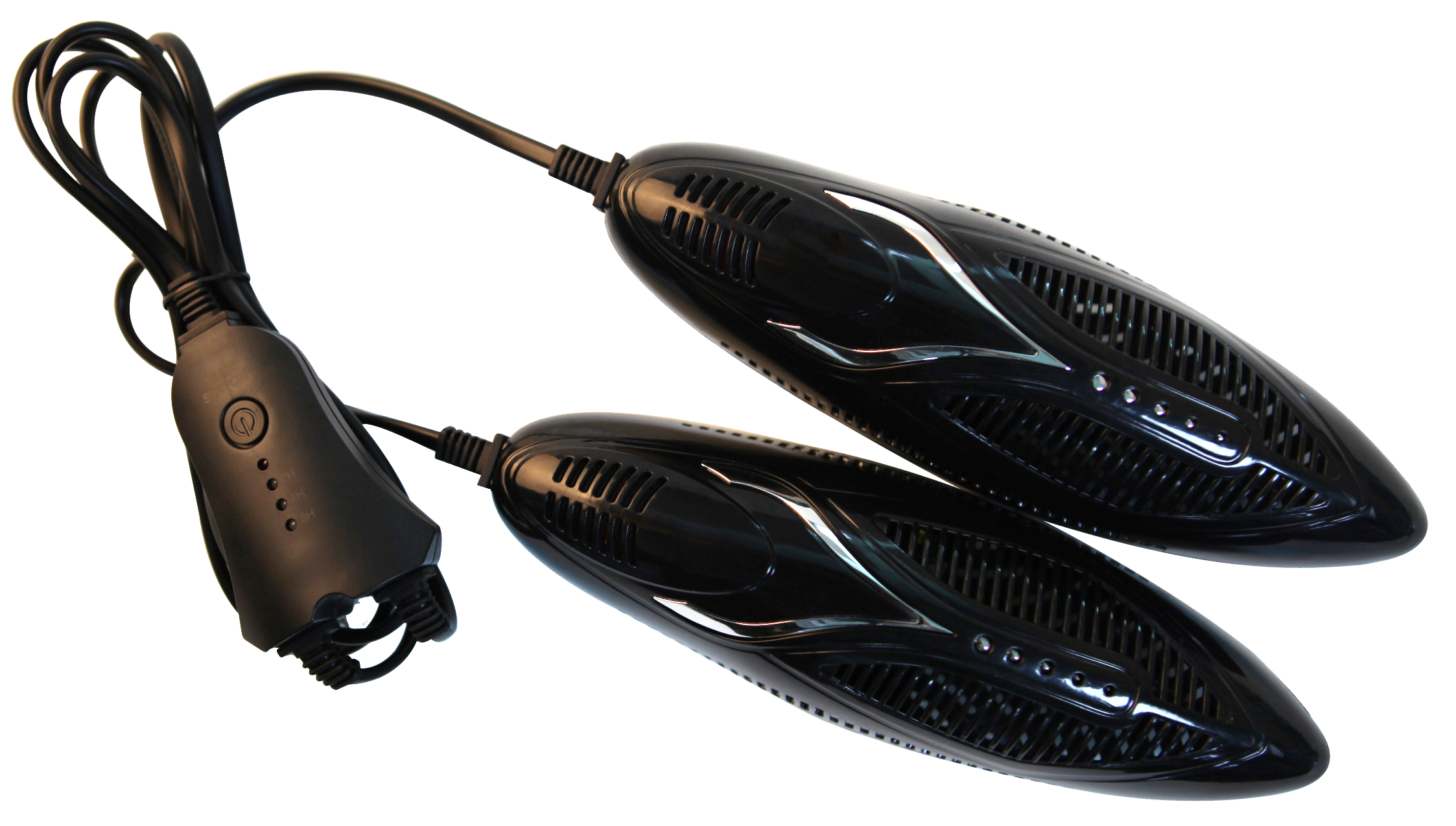
Additionally, digital timer modules with auto-shutoff are increasingly standard. Specify the exact relay components used in these modules, as cheap relays often stick closed after a few hundred cycles, leading to continuous operation.
Production Realities: MOQ, Pricing, and Lead Times
Understanding the standard production metrics for shoe dryers helps in planning your procurement cycles and negotiating with suppliers.
Pricing is heavily influenced by the heating technology (PTC vs. wire), the inclusion of a fan (forced air vs. thermal convection), and the required certifications. Achieving UL, ETL, or CE marks requires the factory to use certified components across the entire bill of materials, which increases unit costs but is non-negotiable for most Western markets. Thorough Compliance & Testing is essential before mass production begins.
Need accurate pricing and lead times for your specific shoe dryer requirements? Speak with our sourcing experts today.
Get a free consultationFrequently Asked Questions
Successfully sourcing shoe dryers requires technical diligence. By specifying the right heating elements, mandating fire-retardant materials, and rigorously testing thermal safety mechanisms, you can protect your brand from costly recalls. Conducting thorough Factory Audits before placing your first order is the most effective way to ensure your supplier has the engineering capability to meet these demands.
Get Sourcing Help for Shoe Dryers
Tell us your requirements and our experts will connect you with verified manufacturers.