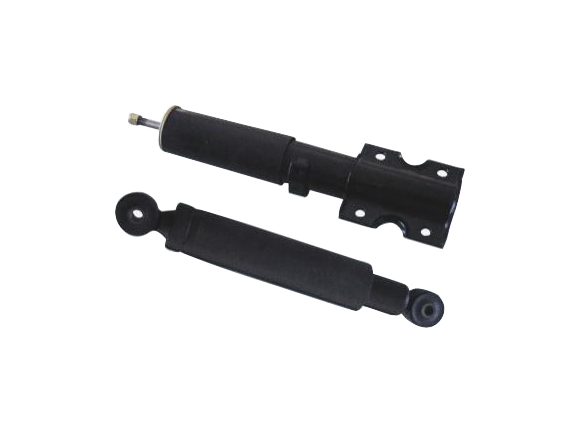
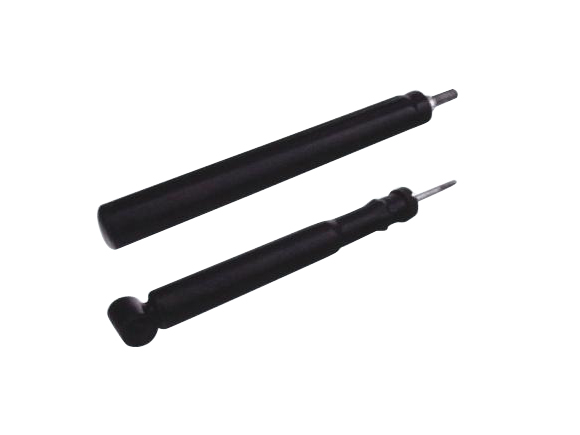
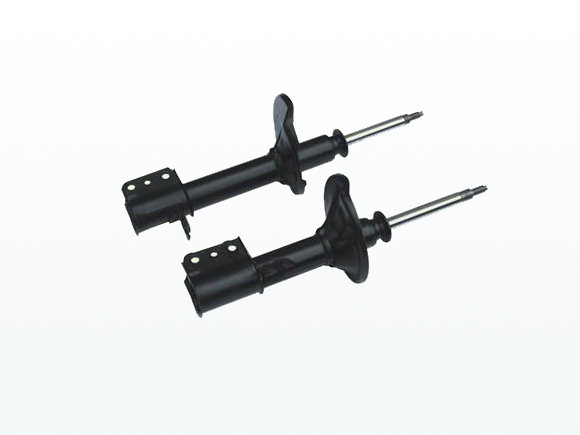
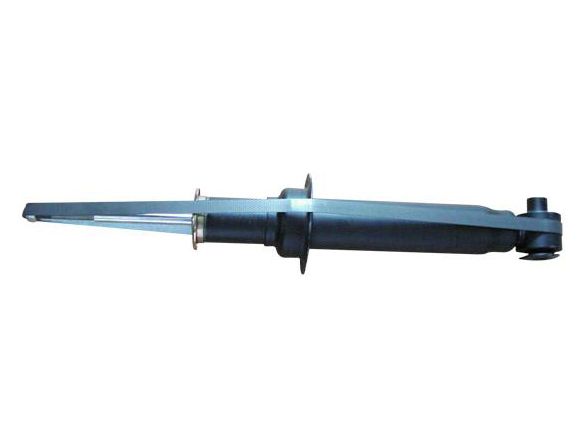
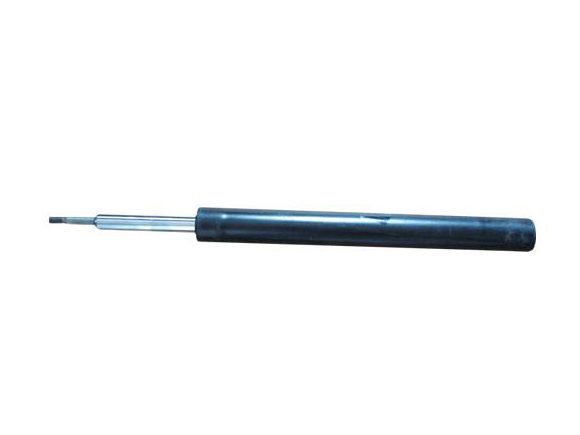
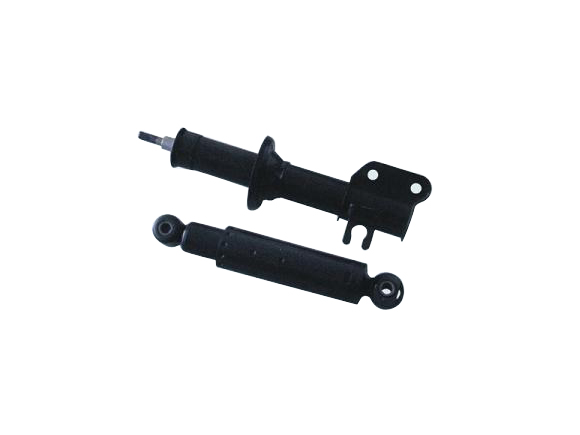
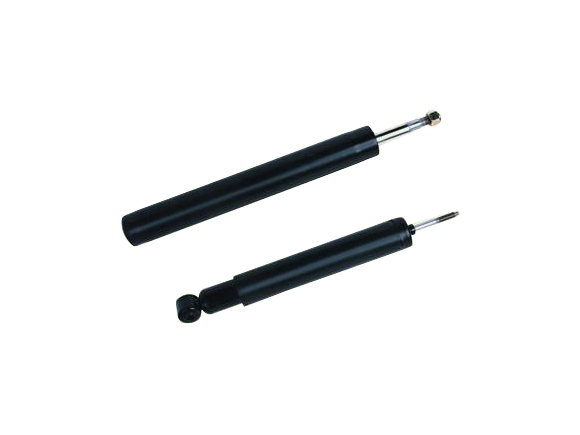
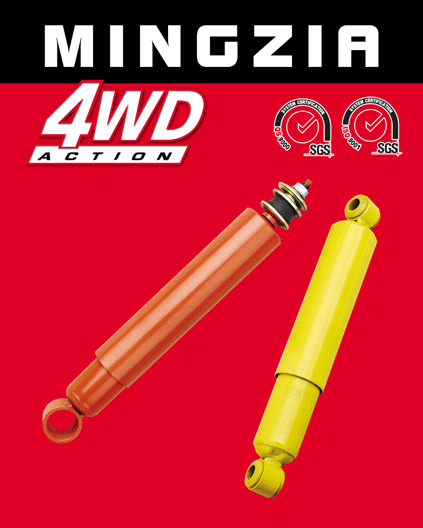
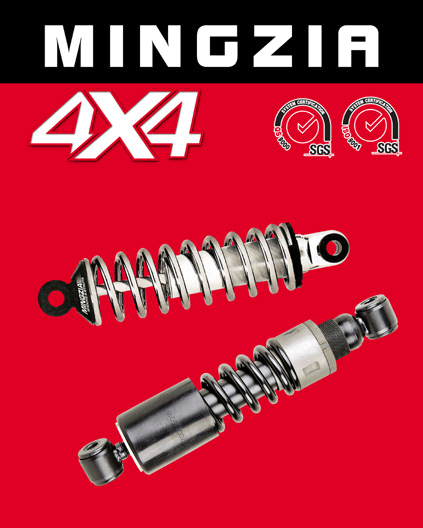
Shock Absorbers
Source premium shock absorbers directly from vetted manufacturers and wholesale suppliers. Designed for automotive parts importers, distributors, and aftermarket brands seeking high-volume OEM or private-label production, our network delivers reliable suspension components built to exact performance standards.
Sourcing shock absorbers at scale requires navigating a complex intersection of metallurgy, fluid dynamics, and precision machining. For aftermarket brands, distributors, and parts wholesalers, the challenge is not just finding a factory that can produce the required vehicle applications, but identifying a manufacturing partner capable of maintaining strict valving tolerances, seal integrity, and consistent damping performance across thousands of units.
Engineering and Specifying Shock Absorbers
When engaging suppliers for bulk production, your technical data package must clearly define the internal architecture and material grades. The fundamental choice between twin-tube and mono-tube designs dictates the factory's tooling requirements, assembly line setup, and ultimately the unit cost.
Beyond the core architecture, the longevity of a shock absorber depends heavily on the piston rod and sealing system. High-quality production requires high-frequency induction hardening of the piston rod, followed by hard chrome plating. The micro-cracking pattern in the chrome layer is critical—it must retain just enough hydraulic oil to lubricate the multi-lip oil seal without causing external leaks.
| Architecture | Heat Dissipation | Cavitation Resistance | Typical Application |
|---|---|---|---|
| Twin-Tube (Low Pressure Gas) | Moderate | Moderate | Standard passenger vehicles |
| Mono-Tube (High Pressure Gas) | Excellent | High | Performance, Off-road, Commercial |
Manufacturing Quality Control: Where Factories Fail
The visual appearance of a painted shock absorber tells you nothing about its internal quality. In automotive suspension manufacturing, the difference between a reliable OEM-grade part and a warranty nightmare usually comes down to process control on the factory floor.
Inconsistent welding on the mounting eyes or spring seats can lead to structural failure under load. Similarly, if the factory's cleanroom environment for final assembly is compromised, microscopic debris will contaminate the hydraulic fluid, prematurely wearing out the Teflon piston bands and shim stacks.
Critical Factory Verification Points
- Verify the use of automated, multi-stage ultrasonic cleaning for all internal components prior to assembly.
- Ensure dynamometer testing is performed on 100 percent of units for force-velocity curve validation.
- Check the sourcing of critical sub-components (e.g., specifying NOK seals or equivalent high-grade NBR/Viton).
- Confirm the use of high viscosity index (VI) shock oil to prevent damping fade at elevated temperatures.
To mitigate these risks before placing a volume order, it is standard practice to conduct comprehensive factory audits focusing specifically on IATF 16949 compliance and the calibration of the factory's testing equipment. Furthermore, implementing strict quality control & inspection protocols, including independent dyno testing and salt spray testing of the rod plating, is essential before shipment.
Ensure your suspension components meet strict aftermarket standards with our engineering and factory vetting support.
Discuss your technical requirementsPricing, MOQs, and OEM Sourcing Dynamics
The automotive parts supply chain in Asia operates on specific volume thresholds dictated by the cost of tooling and assembly line changeovers. While off-the-shelf applications for popular vehicle models might be available with lower commitments, custom damping profiles or specialized mounting hardware require larger runs.
Pricing is primarily driven by raw material costs (steel tube and rod stock), the complexity of the valving (shim stack design), and the quality of the imported seals and hydraulic fluids used.
If you are developing a proprietary suspension line or a lift kit, engaging a partner for OEM/ODM services allows you to dictate the exact valving curves, stroke lengths, and heavy-duty materials required for your target market without having to invest in your own manufacturing facility.
Navigate MOQs, custom valving requirements, and factory negotiations with an experienced procurement partner.
Talk to our sourcing teamFrequently Asked Questions
Successfully importing shock absorbers in bulk relies heavily on matching your specific application needs with a factory's core competency. A manufacturer excelling in standard passenger car replacements may completely lack the heavy-duty components and high-pressure gas charging equipment required for off-road or commercial vehicle applications. Proper supplier qualification is the only way to protect your brand's reputation and your bottom line.
Get Sourcing Help for Shock Absorbers
Tell us your requirements and our experts will connect you with verified manufacturers.