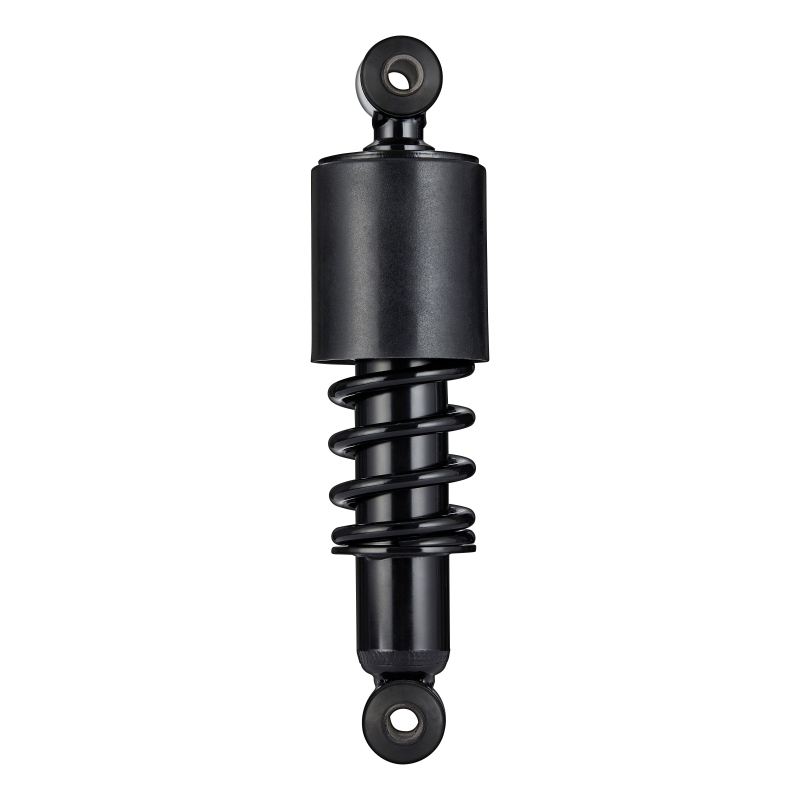
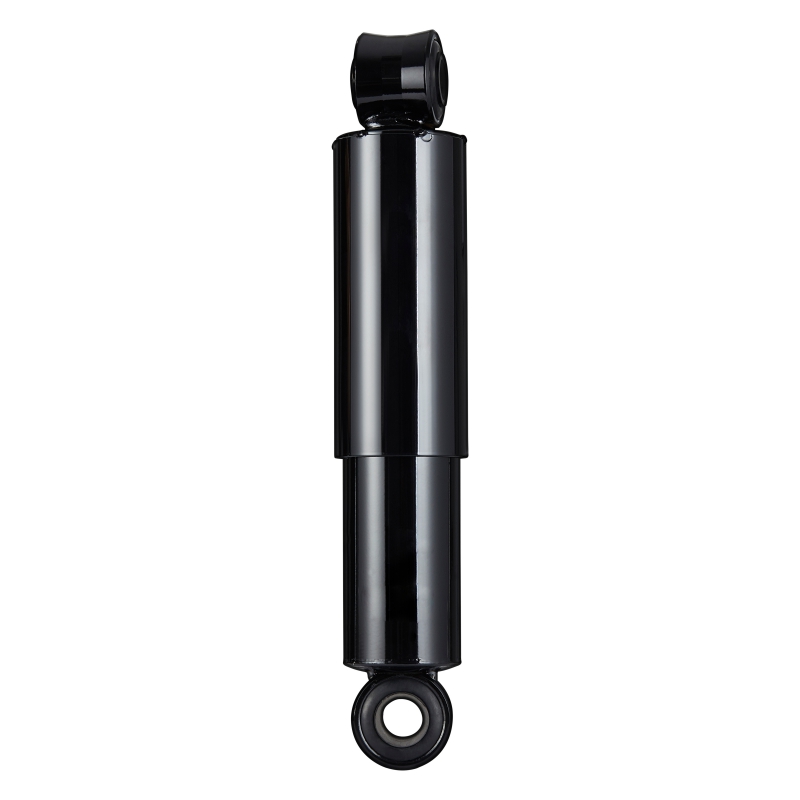
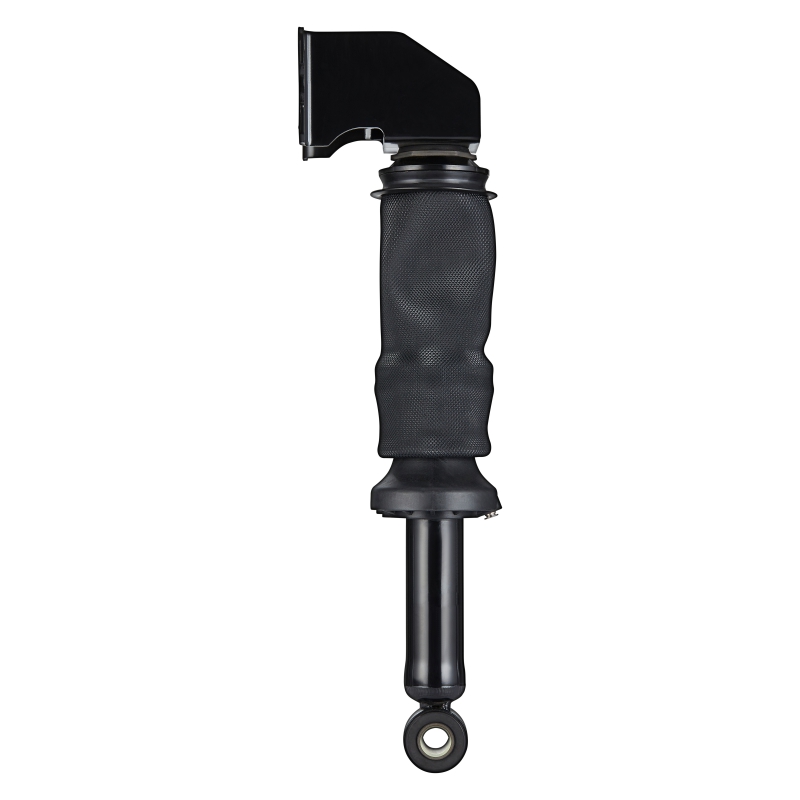
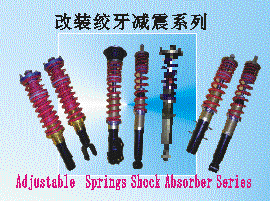
Shock Absorbers
Source high-performance shock absorbers from vetted manufacturers and trusted suppliers across Asia. Built for automotive importers, aftermarket distributors, and brands requiring reliable OEM or private-label production. Secure competitive bulk pricing and consistent quality control for your supply chain.
Sourcing automotive shock absorbers at scale requires balancing ride dynamics, structural durability, and unit cost. For aftermarket distributors and OEM brands, the primary challenge is identifying factories capable of maintaining strict machining tolerances and consistent damping forces across high-volume production runs. A single point of failure—such as a compromised oil seal or insufficient chrome plating on the piston rod—can lead to catastrophic warranty claims and brand damage.
Key Technical Specifications to Define
When negotiating with manufacturers, precise specifications dictate both the performance tier and the production cost. Avoid generic "high quality" requests; instead, define the exact parameters your market demands.
- Piston and Rod Diameters: The dimensions of the working cylinder and piston rod directly impact the shock's ability to handle stress and dissipate heat. Larger diameters generally offer better stability but require more raw material.
- Damping Force Tuning: Specify the required rebound and compression damping forces at specific piston velocities (e.g., 0.1 m/s, 0.3 m/s). Factories should provide dynamometer graphs to prove their valving configurations meet your target specs.
- Seal Quality: The multi-lip oil seal is the most critical wear component. Specify high-grade materials like NBR or Viton, and consider mandating recognized seal brands (like NOK) for premium product lines.
- Hydraulic Fluid: The viscosity index and foaming resistance of the shock oil determine performance under extreme temperatures. Specify all-weather fluids that resist cavitation.
Struggling to verify if a factory can meet your strict technical tolerances? Let our sourcing experts evaluate their production capabilities.
Talk to our teamManufacturing and Quality Control Checkpoints
The difference between a reliable aftermarket shock and a defective one is often found in the factory's automated processes and testing protocols. Relying solely on final product appearance is insufficient; you must look at the production line. Integrating professional Quality Control & Inspection is essential to catch defects before container loading.
Critical Factory QC Checkpoints
- Piston Rod Surface Treatment: Verify micro-crack hard chrome plating thickness (typically 15-20 microns) and surface roughness to ensure seal longevity.
- Welding Integrity: Inspect automated MIG/TIG welding on mounting rings and brackets for penetration and lack of porosity.
- Gas Charge Consistency: For gas-charged shocks, ensure automated nitrogen filling stations maintain exact pressure levels across the batch.
- 100% Damping Testing: Top-tier factories will dyno-test every unit for damping force accuracy, not just random batch sampling.
If you are developing a proprietary suspension setup or custom valving, utilizing structured OEM/ODM Services ensures your intellectual property is protected and your exact performance characteristics are engineered correctly from the prototype stage.
Twin-Tube vs. Mono-Tube: Sourcing Considerations
Your target market dictates the internal architecture you should source. Understanding the production implications of each helps in selecting the right manufacturing partner.
| Architecture | Production Cost | Performance Profile | Ideal Market |
|---|---|---|---|
| Twin-Tube | Lower | Comfort-oriented, prone to aeration under heavy use | Standard passenger car aftermarket |
| Mono-Tube | Higher (requires precision tubing) | Excellent heat dissipation, fade-resistant | Performance, off-road, and heavy-duty vehicles |
Typical MOQs, Lead Times, and Pricing
Volume buyers must navigate the reality of automotive parts manufacturing. Tooling and setup times dictate factory minimums.
Pricing fluctuates based on steel costs, seal quality, and internal valving complexity. Because a single factory might produce both budget and premium lines using different internal components, conducting thorough Factory Audits is the only way to confirm they are using the materials you actually contracted for.
Need to consolidate orders across multiple SKUs to meet factory MOQs? We can help streamline your supply chain.
Get a free consultationBuyer FAQ
Successfully sourcing shock absorbers requires moving beyond surface-level negotiations and diving deep into material specs and quality assurance protocols. By partnering with factories that demonstrate rigorous testing and hold automotive-specific certifications, you protect your brand's reputation and your bottom line.
Get Sourcing Help for Shock Absorbers
Tell us your requirements and our experts will connect you with verified manufacturers.