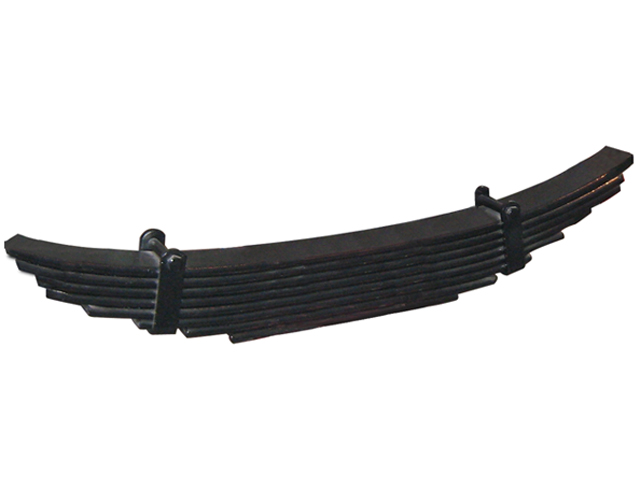
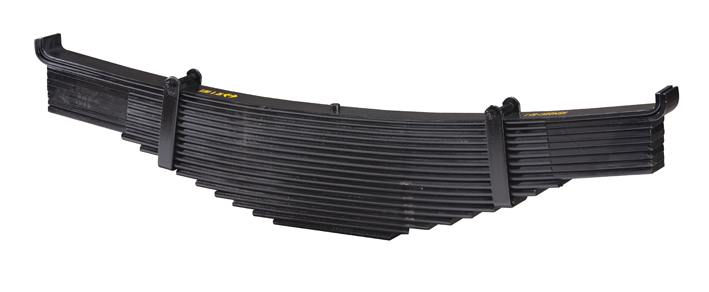
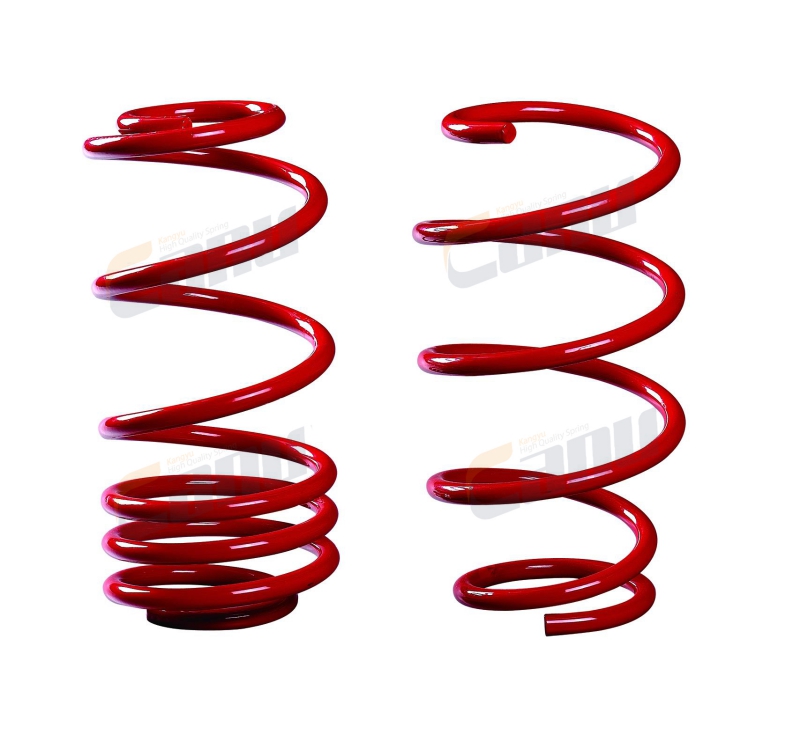
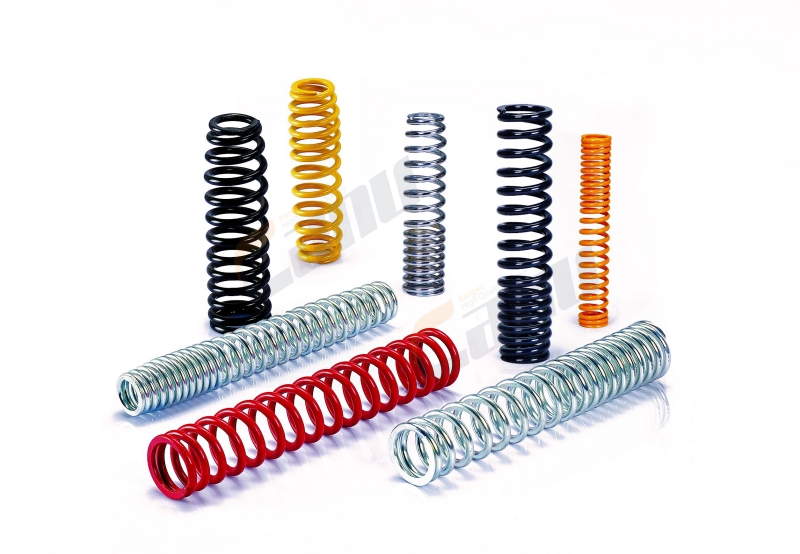
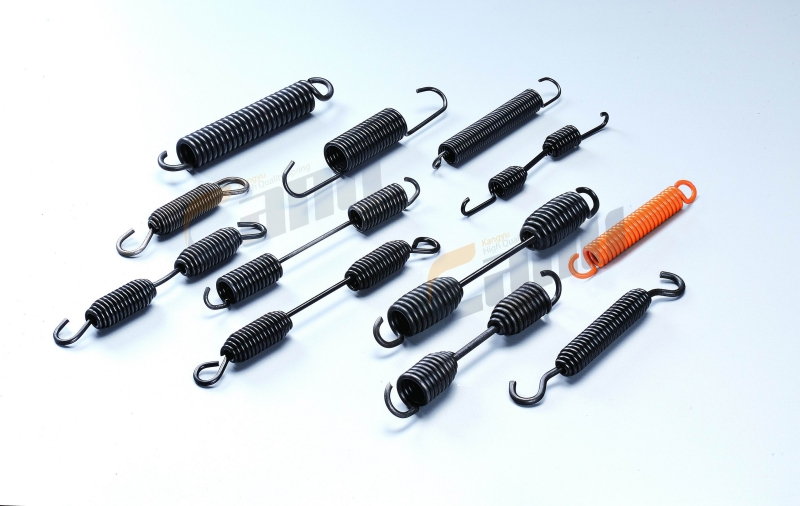
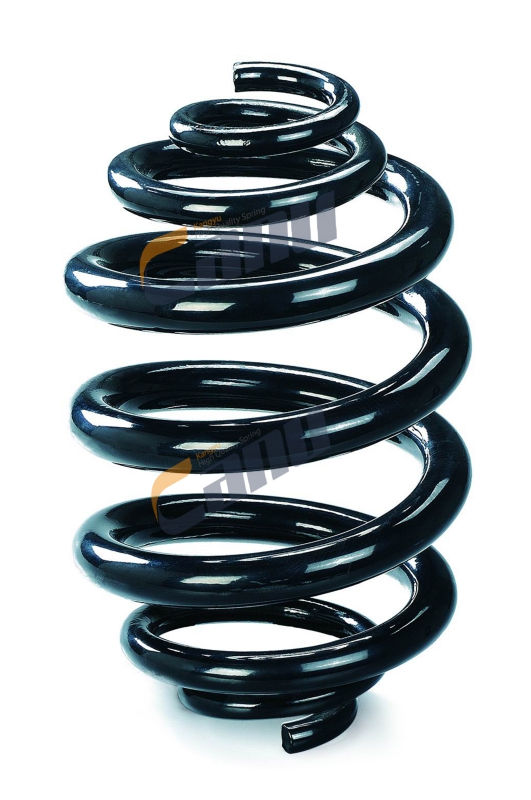
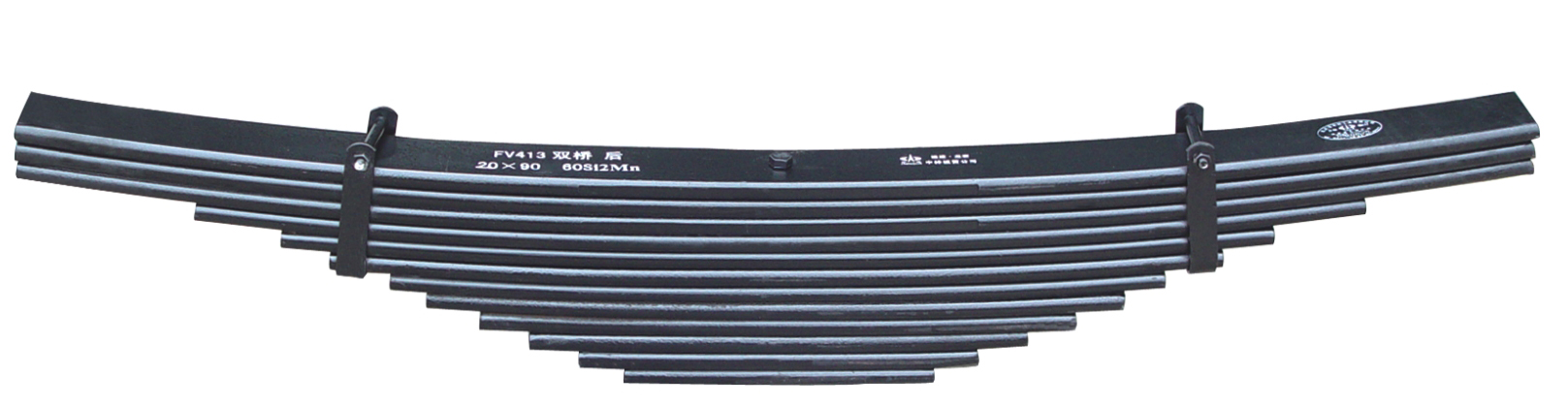
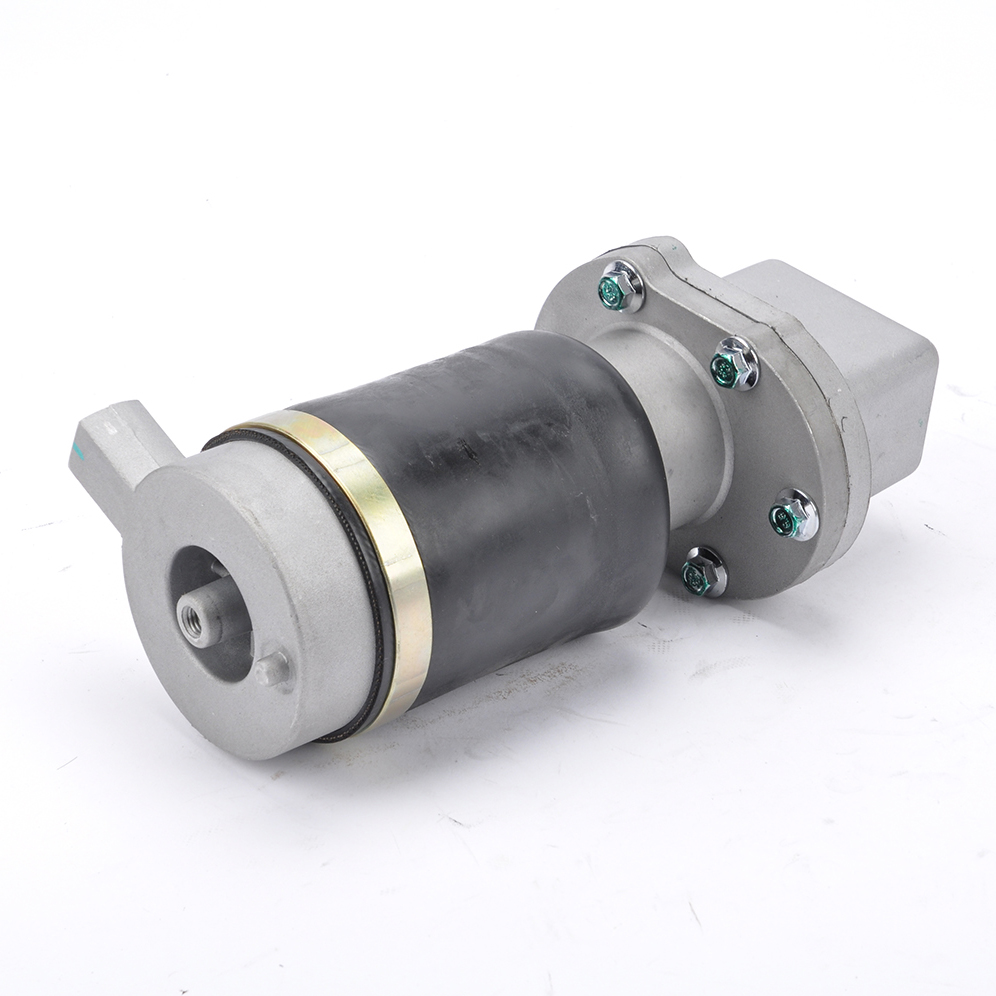
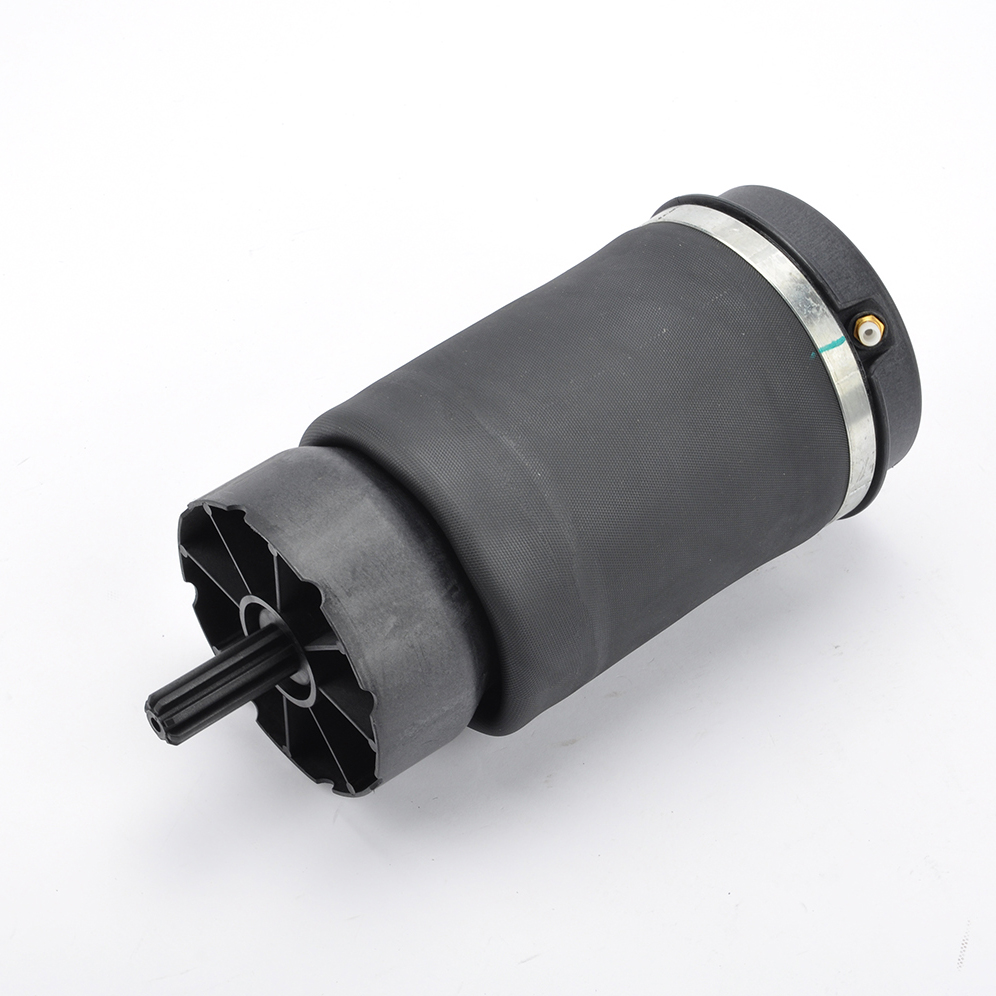
Shock Absorber Springs
Source high-quality shock absorber springs from vetted suppliers and manufacturers in Asia. Designed for importers, automotive wholesalers, and brands seeking reliable OEM/ODM production, our factory-direct sourcing ensures competitive bulk pricing, rigorous quality control, and consistent suspension performance.
Sourcing suspension springs in bulk requires balancing precise metallurgical requirements with high-volume production economics. A fraction of a millimeter variance in wire diameter or an inconsistent heat treatment process drastically alters the spring rate and fatigue life, leading to premature failure or poor vehicle handling. For volume buyers, securing a reliable supply chain means partnering with factories that maintain strict control over every stage of the coiling, tempering, and finishing processes.
Critical Specifications for Your RFQ
When approaching manufacturers, vague specifications lead to inconsistent batches. To ensure accurate pricing and performance, your technical data package must explicitly define the physical and metallurgical parameters.
Essential Spring Specifications
- Material Grade: Specify exact alloys (e.g., 55CrSi, SAE 9254, 60Si2Mn) rather than generic terms like 'spring steel'.
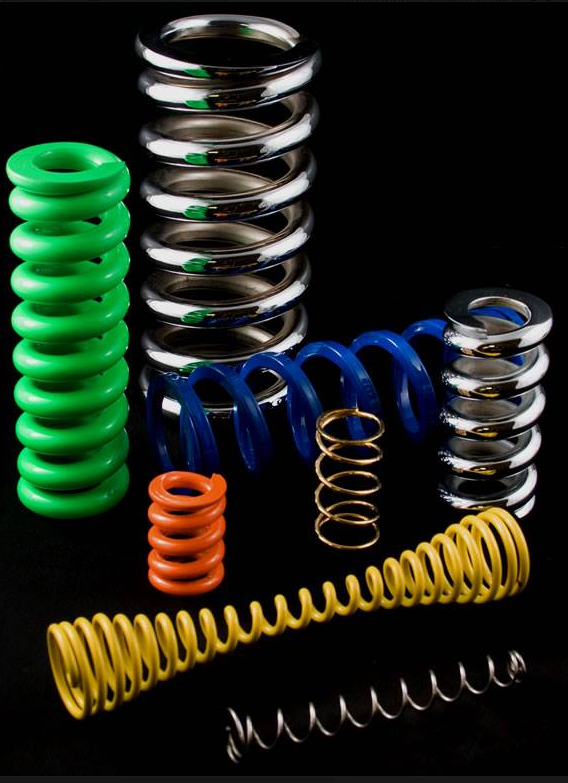
- Dimensional Tolerances: Wire diameter, outer diameter (OD), inner diameter (ID), and active coils.
- Spring Rate & Load: Specify linear, progressive, or dual-rate designs, including the required load at specific compressed heights (N/mm or kg/mm).
- Free Length & Solid Height: Maximum compression limits before coil bind occurs.
- End Types: Closed and ground, open, or pig-tail ends depending on the strut assembly.
- Surface Finish: Coating type (powder coat, e-coat) and required salt spray resistance (e.g., 500+ hours).
Manufacturing Processes That Dictate Quality
The difference between a premium aftermarket spring and a budget replacement lies entirely on the factory floor. Understanding these processes helps you evaluate supplier capabilities.
Coiling (Cold vs. Hot)
Cold coiling is typically used for wire diameters under 16mm, offering tighter tolerances. Hot coiling is reserved for heavy-duty commercial vehicle springs. Ensure the factory uses CNC coiling machines for batch-to-batch consistency.
Heat Treatment & Tempering
After coiling, springs must be tempered to relieve internal stresses. Precise temperature control in the furnace is critical; improper tempering leads to brittle springs or loss of load capacity.
Shot Peening
This is non-negotiable for automotive suspension. Bombarding the spring surface with steel shot induces compressive residual stress, drastically extending fatigue life.
Scragging (Presetting)
Springs are compressed to their solid height multiple times. This prevents the spring from sagging or losing its free length once installed on the vehicle.
Assessing a supplier's equipment—specifically their CNC coilers, continuous tempering furnaces, and automated shot peening machines—is critical. If you cannot visit the facility yourself, conducting comprehensive Factory Audits is the most effective way to verify their technical capability before placing an order.
Need to verify a spring manufacturer's production capabilities? Let our engineers handle the vetting.
Talk to our teamOEM/ODM and Custom Suspension Development
Many brands look to develop custom performance springs, such as lowering kits for passenger cars or heavy-duty lift springs for off-road vehicles. This requires a supplier with strong engineering capabilities, not just a build-to-print job shop.
When utilizing OEM/ODM Services for custom springs, the factory must be able to calculate the optimal wire diameter and pitch to achieve your target spring rate without inducing coil bind at maximum compression. They should also provide prototype testing reports detailing load-displacement curves and fatigue cycle limits.
| Spring Type | Characteristics | Typical Application |
|---|---|---|
| Linear Rate | Constant distance between coils, uniform spring rate. | Standard OEM replacements, track racing. |
| Progressive Rate | Variable coil spacing, rate increases as it compresses. | Performance street cars, lowering springs. |
| Dual Rate | Two distinct coil spacings separated by a transition point. | Off-road vehicles, heavy load carrying. |
Quality Control: Catching Defects Before Shipment
Suspension components are safety-critical. A failed spring can puncture a tire or cause a loss of vehicle control. Relying solely on the factory's internal QC is a risk. Implementing independent Quality Control & Inspection prior to shipment ensures your specifications are actually met.
Key inspection points should include:
- Load Testing: Verifying the spring rate matches the design parameters at specified heights.
- Dimensional Checks: Ensuring free length and coil diameters are within tolerance to guarantee fitment over the shock absorber.
- Coating Adhesion: Testing powder coat thickness and adhesion. Poor coating leads to rapid rust and subsequent fatigue failure.
- Fatigue Testing: Reviewing the factory's batch test reports for cyclic fatigue (typically requiring survival past 1 million cycles).
Typical MOQs, Lead Times, and Pricing Dynamics
Pricing for shock absorber springs is heavily driven by raw material costs (steel index), order volume, and the complexity of the surface treatment.
For standard OEM replacement springs, factories may hold tooling or have lower MOQs if they already produce that exact specification. For custom performance springs, expect to pay minor tooling or setup fees for the CNC programming and initial prototype runs.
Planning a bulk order of suspension springs? We can help you negotiate pricing and manage the production schedule.
Get a free consultationFrequently Asked Questions
Successfully sourcing shock absorber springs requires moving past generic supplier catalogs and focusing on metallurgical discipline and production control. By setting rigid specifications and verifying factory processes, you can secure reliable, high-performance suspension components that protect your brand's reputation.
Get Sourcing Help for Shock Absorber Springs
Tell us your requirements and our experts will connect you with verified manufacturers.