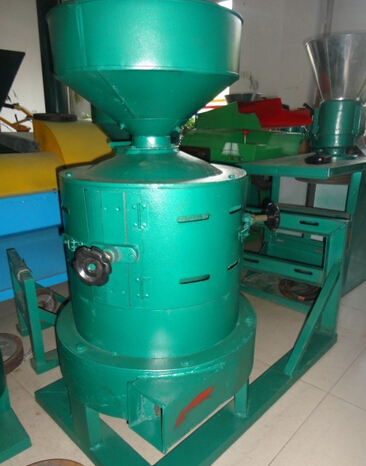
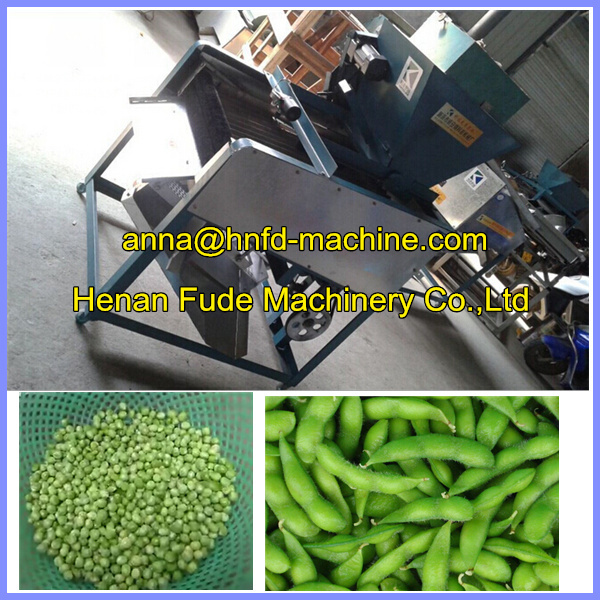
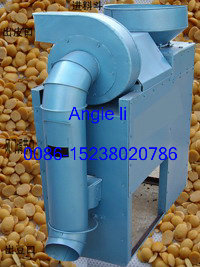
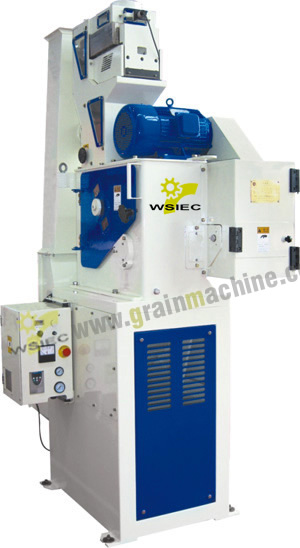
Shellers
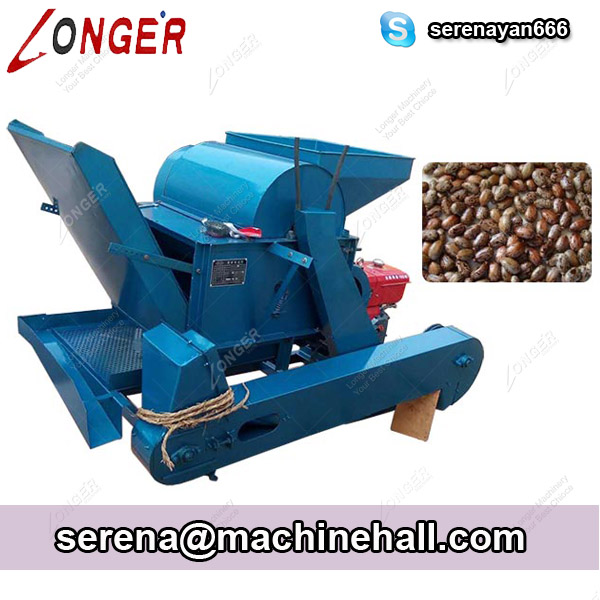
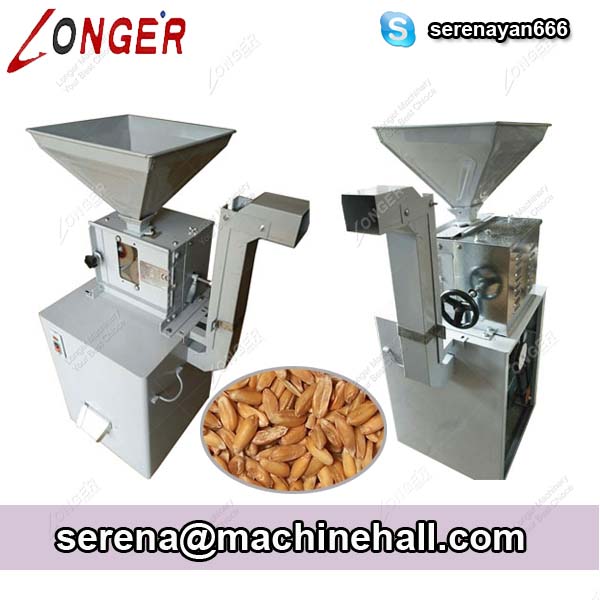
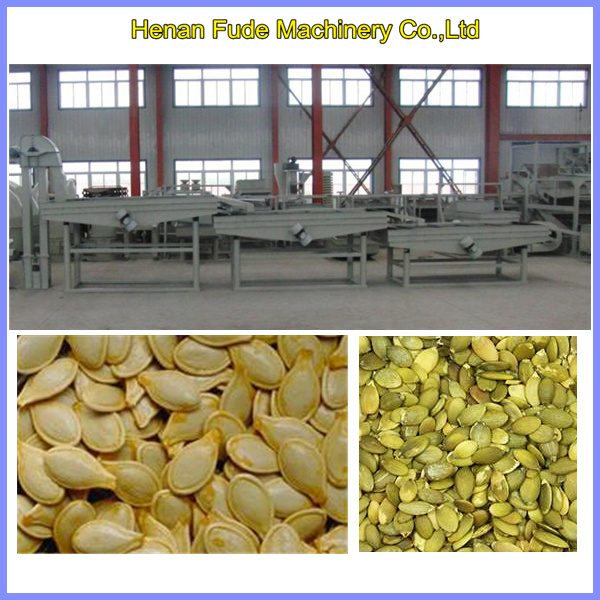
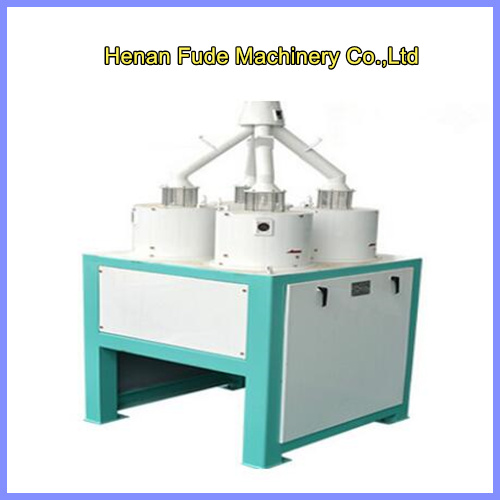
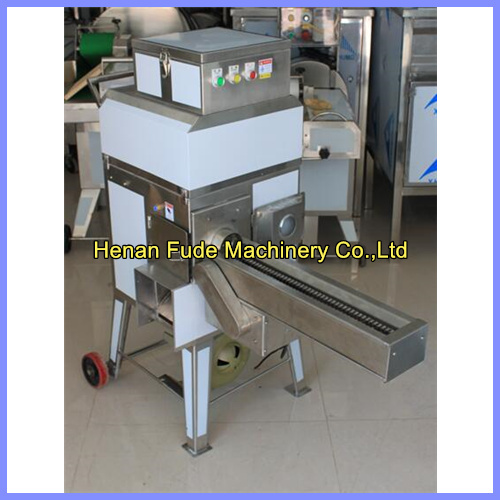
Source high-capacity shellers from vetted suppliers and manufacturers across Asia. Designed for agricultural equipment importers, wholesale distributors, and brands seeking OEM production, our network provides reliable bulk purchasing options. Secure competitive pricing on durable, precision-engineered shelling machinery.
Sourcing agricultural shellers at scale requires balancing high processing throughput with strict limits on kernel damage. Whether you are supplying regional farming cooperatives, distributing commercial processing equipment, or expanding your own agricultural machinery brand, evaluating manufacturers goes far beyond the basic spec sheet. Success depends on verifying fabrication quality, motor reliability, and the supplier's ability to meet your target market's regulatory and operational standards.
Defining Commercial Sheller Specifications
The core performance of any shelling machine—whether calibrated for maize, peanuts, coffee, or other crops—is measured by its efficiency and output. Buyers must clearly define acceptable thresholds in their supplier contracts.
Key performance indicators include the Shelling Rate (the percentage of crop successfully removed from the cob or pod, typically expected to be over 98 percent) and the Breakage Rate (the percentage of kernels damaged during the process, which should strictly remain under 2 percent).
| Equipment Tier | Typical Output | Power Requirement | Primary Application |
|---|---|---|---|
| Light Commercial | 500 - 1,500 kg/h | 2.2 - 4.0 kW Electric | Smallholder cooperatives |
| Mid-Range Industrial | 2 - 5 tons/h | 7.5 - 15 kW / 12 HP Diesel | Mid-sized processing facilities |
| Heavy-Duty / PTO | Over 5 tons/h | Tractor PTO / 20+ HP | Large-scale commercial farming |
Need help identifying manufacturers capable of meeting strict breakage and output tolerances?
Talk to our teamManufacturing Quality & Component Selection
The difference between a sheller that survives a single harvest and one that lasts a decade lies on the factory floor. Many low-cost suppliers cut corners on raw materials and internal components, which drastically reduces the machine's lifespan under heavy vibration and dust exposure.
When assessing a factory's production line, pay close attention to the following fabrication details:
Critical Component Checks for Shellers
- Motor Quality: Insist on 100 percent pure copper wire motors; reject aluminum-wound motors which overheat under continuous load.
- Steel Gauge and Treatment: Main frames should use thick Q235 carbon steel or better, finished with powder coating or anti-rust baking paint to withstand humid agricultural environments.
- Rotor and Cylinder Balance: Rotors must be dynamically balanced at the factory to prevent excessive vibration that destroys bearings.
- Bearing Selection: Specify sealed, heavy-duty bearings (e.g., SKF or equivalent tier) to prevent dust ingress.
- Screen Durability: Internal sieves and screens should be stamped from high-tensile steel to resist rapid wear.
Because it is difficult to verify these elements through photos or samples alone, conducting comprehensive Factory Audits is standard practice for serious importers. An on-site audit verifies the supplier's welding consistency, testing capabilities, and actual production capacity.
Customization and Market Compliance
Agricultural machinery cannot be sold globally with a "one size fits all" approach. Different regions require specific power configurations and safety standards.
If you are importing into highly regulated markets (like the EU or North America), the equipment must feature appropriate safety guards over all belts, pulleys, and moving parts to meet CE or OSHA standards. Electrical components must match local voltage and frequency (e.g., 110V/60Hz, 220V/50Hz, or 380V three-phase) and carry the necessary certifications.
For brands looking to establish a distinct market presence, utilizing OEM/ODM Services allows you to customize paint schemes, integrate proprietary safety features, modify intake hopper designs, and apply private-label branding directly at the factory level.
Pricing, MOQs, and Logistics Realities
Procuring heavy machinery involves different supply chain dynamics compared to consumer goods.
Because shellers are bulky, freight costs can significantly impact your landed unit price. Efficiently packing a container—often by removing hoppers, wheels, or motors and packing them separately—is essential. Coordinating this requires precise Shipping & Freight management to ensure the factory packs the equipment to maximize space without risking transit damage.
Optimize your agricultural machinery supply chain and reduce landed costs.
Get a free consultationQuality Control Before Shipment
Never assume a machine is ready to ship just because it looks complete. Agricultural equipment must be functionally tested before it leaves the factory. Implementing strict Quality Control & Inspection protocols ensures that every unit is run (often without load) to check for abnormal bearing noise, excessive vibration, and correct motor rotation. Inspectors should also verify that all requested spare parts (extra screens, belts, and bearings) are included in the crates.
Sourcing reliable shellers is about securing equipment that performs consistently in harsh, real-world farming conditions. By rigorously vetting component quality, enforcing strict pre-shipment testing, and optimizing your freight strategy, you can build a highly profitable agricultural machinery catalog.
Get Sourcing Help for Shellers
Tell us your requirements and our experts will connect you with verified manufacturers.