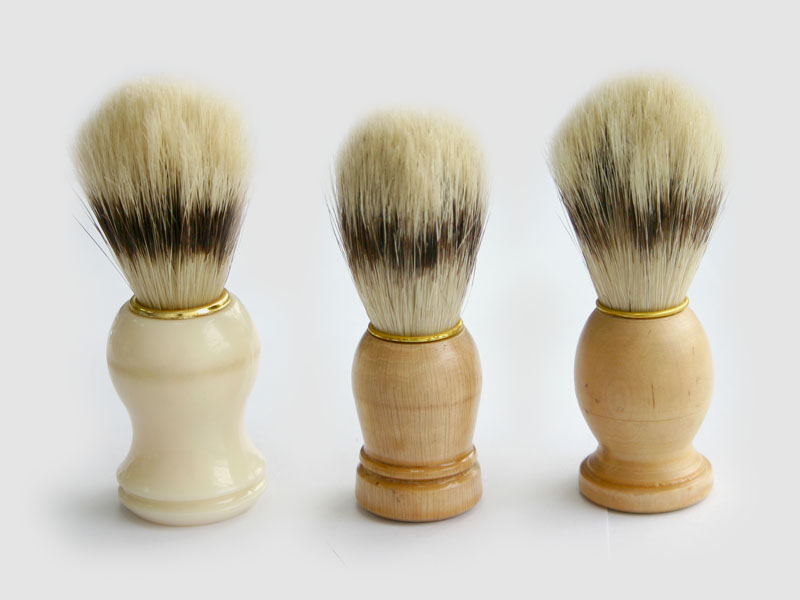
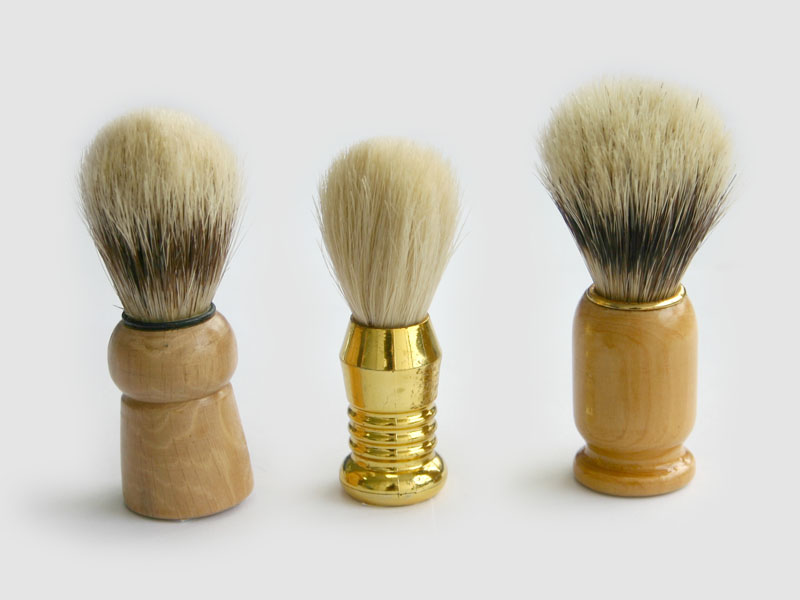
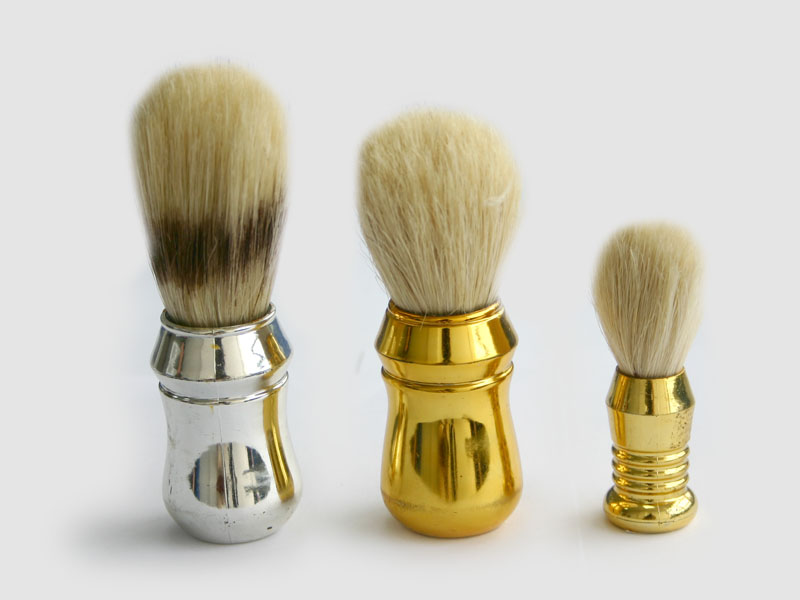
Shaving Brushes
Source premium shaving brushes from vetted manufacturers and suppliers. Designed for importers, wholesalers, and men's grooming brands seeking OEM and private-label production, our network delivers reliable quality, scalable volume, and precise knot specifications.
Sourcing shaving brushes at scale requires navigating a highly specialized supply chain where the difference between a premium grooming tool and a disposable commodity lies entirely in knot density, hair grading, and adhesive integrity. For brands and distributors, specifying the exact parameters of the brush—from the loft height to the handle's resin density—is critical to securing a product that performs well and withstands daily exposure to water and alkaline soaps.
Knot Specifications and Material Selection
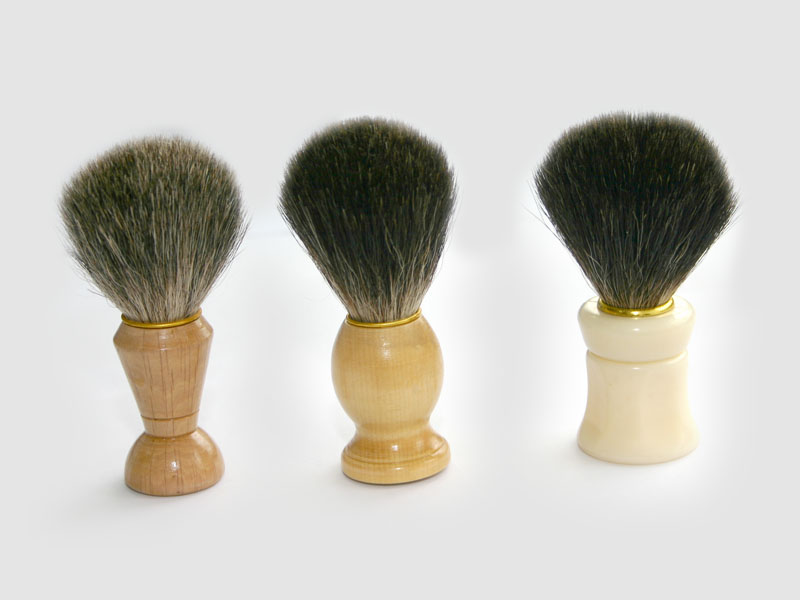
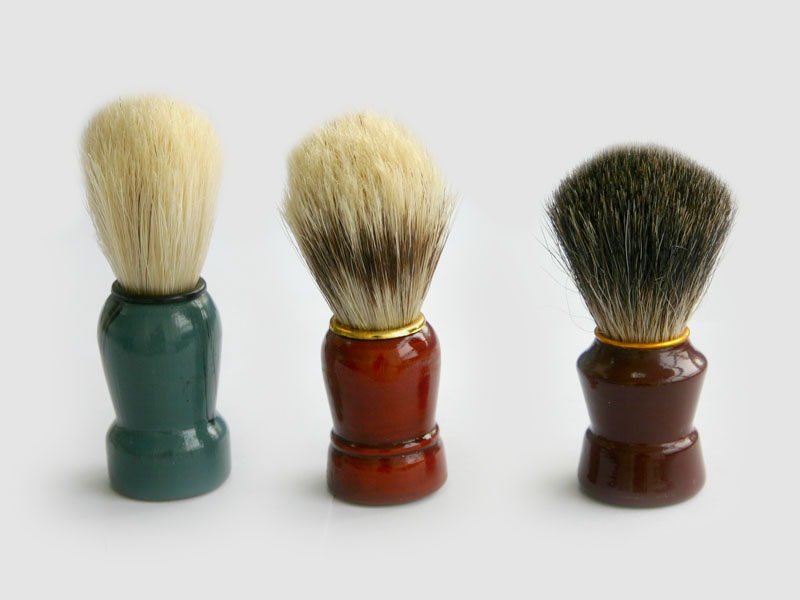
The knot is the functional core of the shaving brush. Manufacturers price brushes primarily based on the hair type, knot diameter, and the weight of the hair used per knot (density).
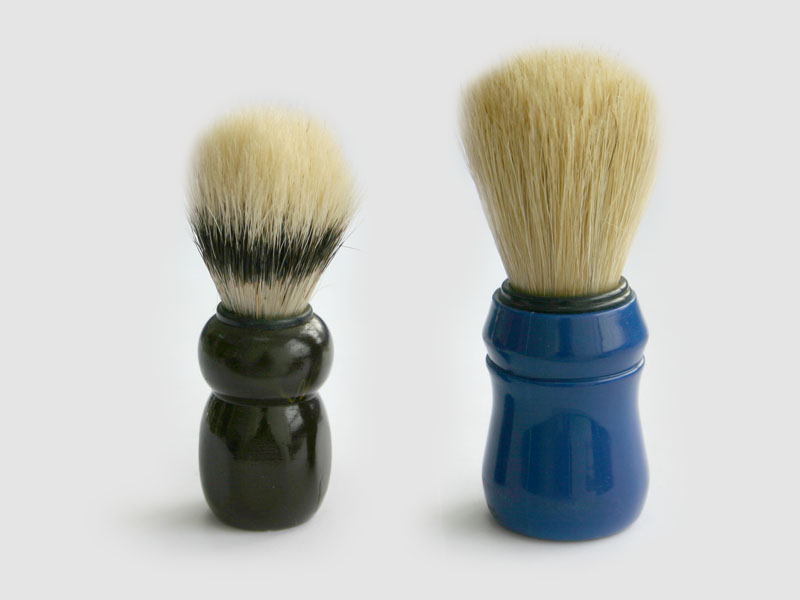
When detailing specifications for OEM/ODM production, buyers must define the knot diameter (typically 20mm to 28mm) and the loft height (the visible length of the hair above the handle, usually 45mm to 55mm). A lower loft provides more "backbone" (stiffness) for hard soaps, while a higher loft yields a softer face feel for creams.
| Hair Type | Performance Characteristics | Cost Profile | Sourcing Considerations |
|---|---|---|---|
| Silvertip Badger | Highest water retention, extremely soft tips, low backbone | Premium / High | Requires strict grading verification; highly susceptible to supplier substitution |
| Pure/Best Badger | Good water retention, moderate scrub/exfoliation | Mid-range | Standard market offering; ensure proper sterilization certificates are provided |
| Boar Bristle | High backbone, tips split and soften over time | Economical | Requires a break-in period; excellent for hard shaving soaps |
| Synthetic (PBT/Nylon) | Fast drying, consistent availability, ultra-soft tips | Low to Mid-range | Available in various fiber profiles (e.g., Tuxedo, Plissoft); cruelty-free positioning |
Struggling to verify badger hair grades from overseas suppliers? Let our sourcing experts secure authentic materials and negotiate favorable pricing for your custom brush line.
Talk to our teamHandle Manufacturing and Assembly
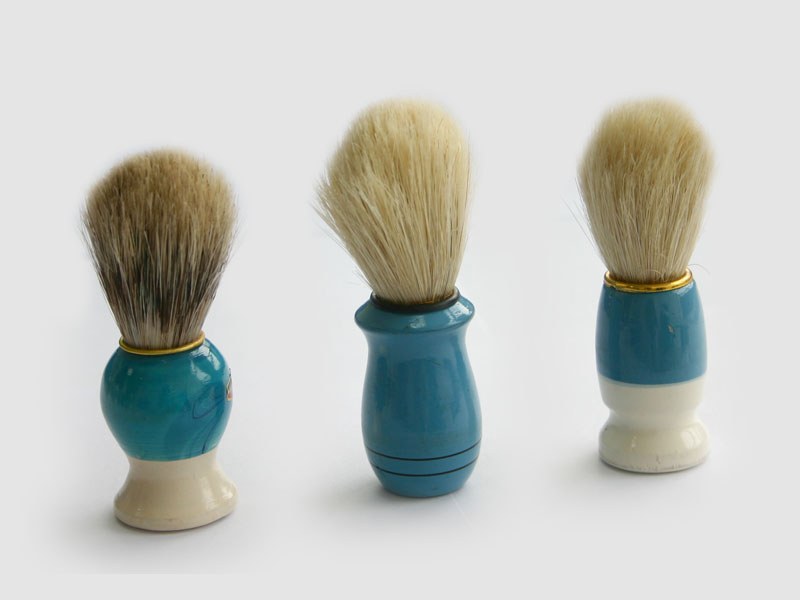
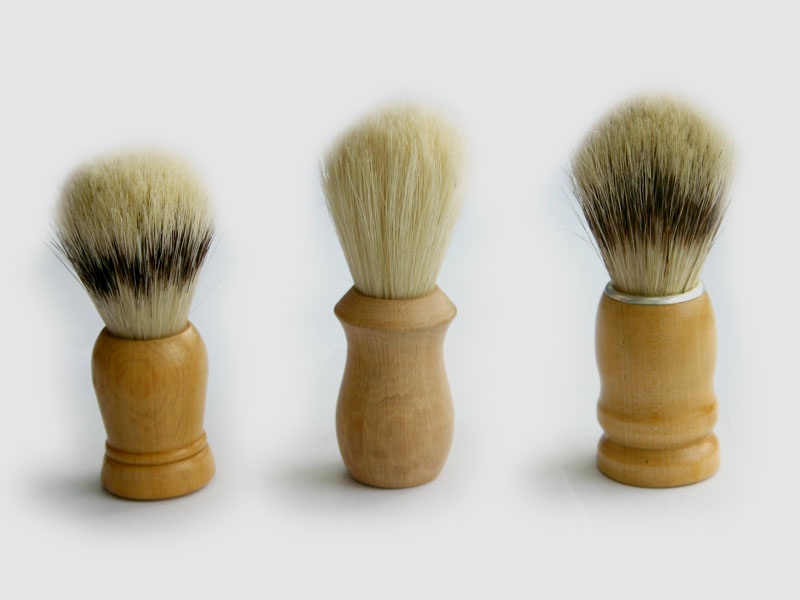
Brush handles are typically turned from cast resin, machined from metals (aluminum, stainless steel, brass), or lathed from treated woods. Resin is the industry standard for mid-to-high-end brushes due to its water resistance and weight.
The critical failure point in assembly is the knot setting. Knots are bound at the base with string and a primary glue plug, then set into the handle's socket using a two-part marine-grade epoxy. If the socket depth is incorrect, the loft will be off-spec. If the epoxy is improperly mixed or cured, the knot will detach after a few weeks of thermal cycling (hot water to cold air).
Critical Assembly Checks
- Socket Depth: Must perfectly match the knot plug to achieve the specified loft.
- Epoxy Application: Ensure marine-grade, heat-resistant epoxy is used to prevent knot failure.
- Weight Distribution: Handles should be weighted (often with metal washers embedded in resin) to provide ergonomic balance.
- Polishing: Resin handles must undergo multi-stage tumbling and hand-polishing to remove machining marks.
Quality Control and Common Defects
Because shaving brushes are handmade or semi-handmade, variance between units is inevitable. However, strict tolerance limits must be established before mass production begins. Conducting thorough quality control and inspection prior to shipment is the only way to prevent defective batches from reaching your warehouse.
Common Defect: Knot Shedding
Advantages
- Acceptable: Losing 5 to 10 loose hairs during the first few uses (normal manufacturing fallout).
Disadvantages
- Unacceptable: Continuous shedding of 5+ hairs per shave, indicating a failed glue plug or insufficient combing at the factory.
- Unacceptable: 'Glue bumps' where epoxy has wicked up into the base of the bristles, destroying the brush's splay.
For animal hair brushes, biological safety is another critical factor. Badger and boar hair must be properly sterilized and fumigated at the source. Without proper veterinary certificates and compliance testing, shipments can be seized by customs or pose health risks to end-users.
Typical MOQs, Pricing, and Lead Times
Minimum Order Quantities (MOQs) and pricing fluctuate based on the handle material and knot type. Synthetic knots with standard acrylic handles offer the lowest barrier to entry, while custom-machined metal handles or high-density Silvertip knots require more significant upfront investment.
When evaluating suppliers, beware of prices that seem abnormally low for badger hair. This often indicates the use of mixed grades (clipping pure badger to mimic silvertip) or hollow handles. We strongly recommend conducting factory audits to verify the supplier's raw material sourcing and assembly capabilities.
Ready to scale your shaving brush inventory? We manage supplier vetting, knot specification, and pre-shipment quality control to ensure your bulk orders meet exact standards.
Get a free consultationFrequently Asked Questions
Successfully sourcing shaving brushes requires balancing knot density, hair quality, and handle ergonomics against your target unit cost. By defining strict material specifications and enforcing rigorous quality checks on adhesive integrity and shedding, buyers can secure reliable, high-margin grooming tools.
Get Sourcing Help for Shaving Brushes
Tell us your requirements and our experts will connect you with verified manufacturers.