Sharpeners
Source premium kitchen knife sharpeners directly from vetted manufacturers and suppliers. Designed for importers, distributors, and brands seeking reliable wholesale or OEM/ODM production. Secure competitive pricing, strict quality control, and scalable manufacturing for your entire sharpening line.
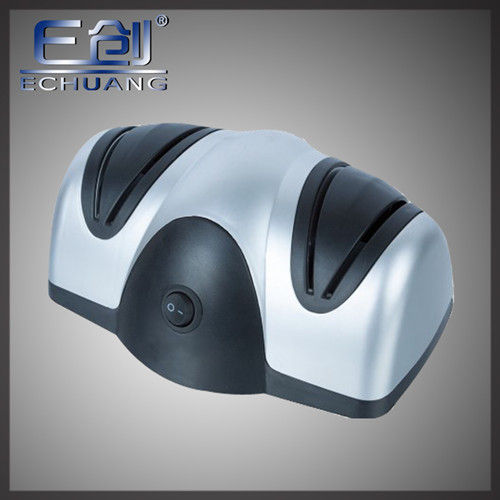
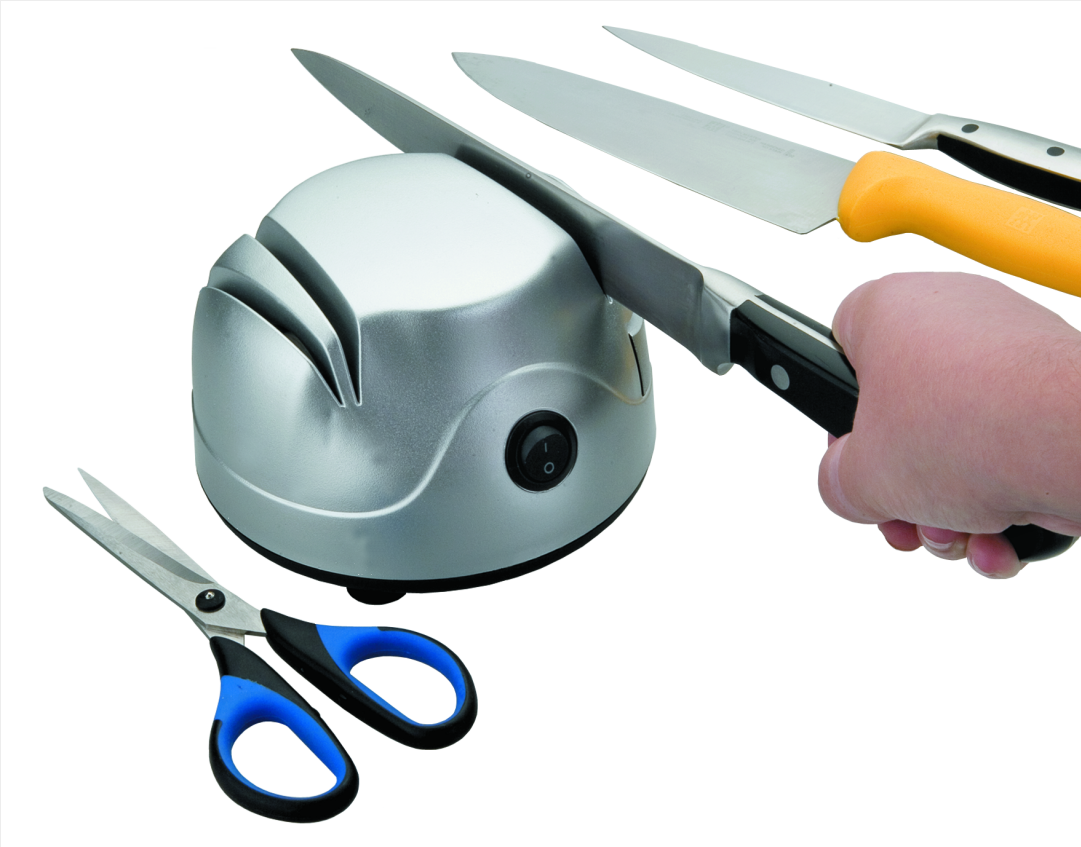
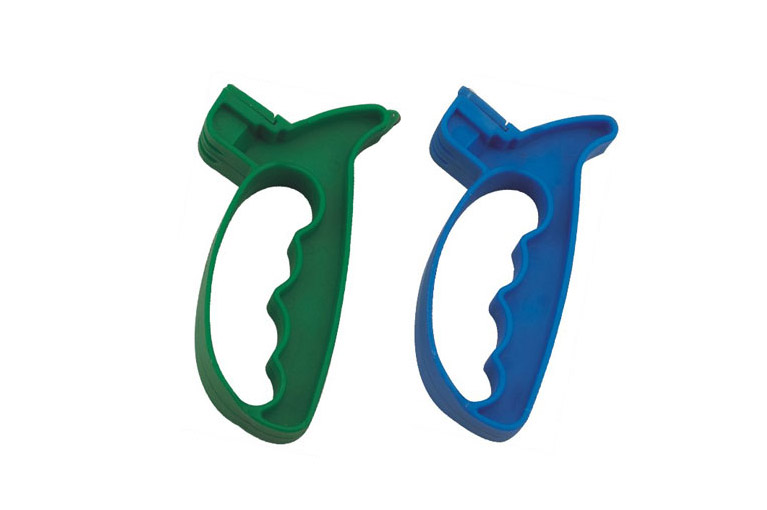
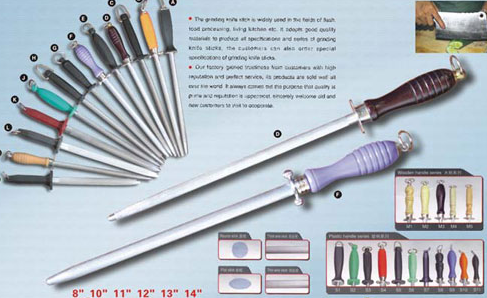
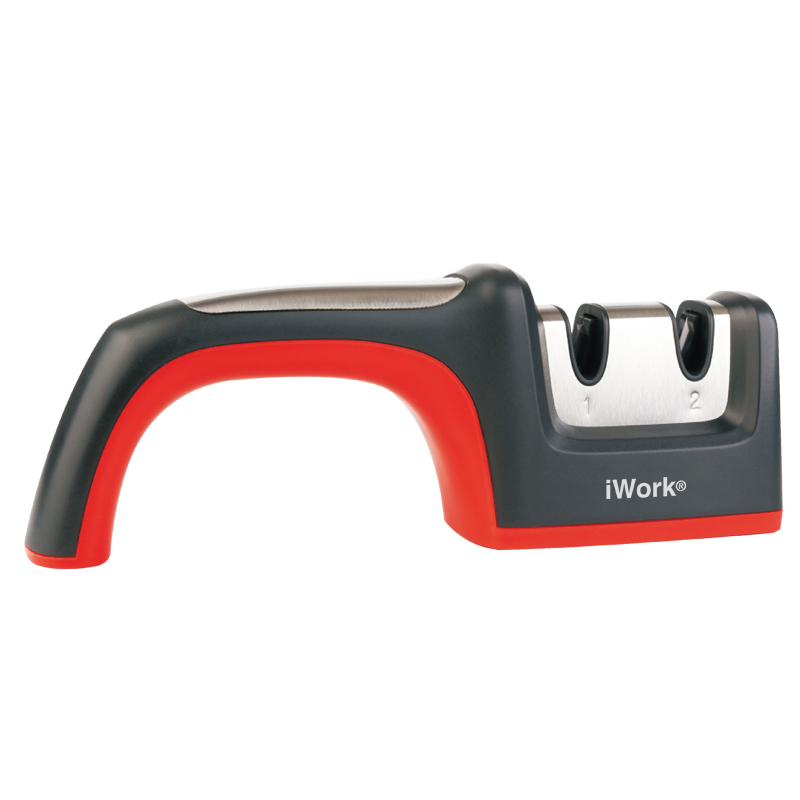
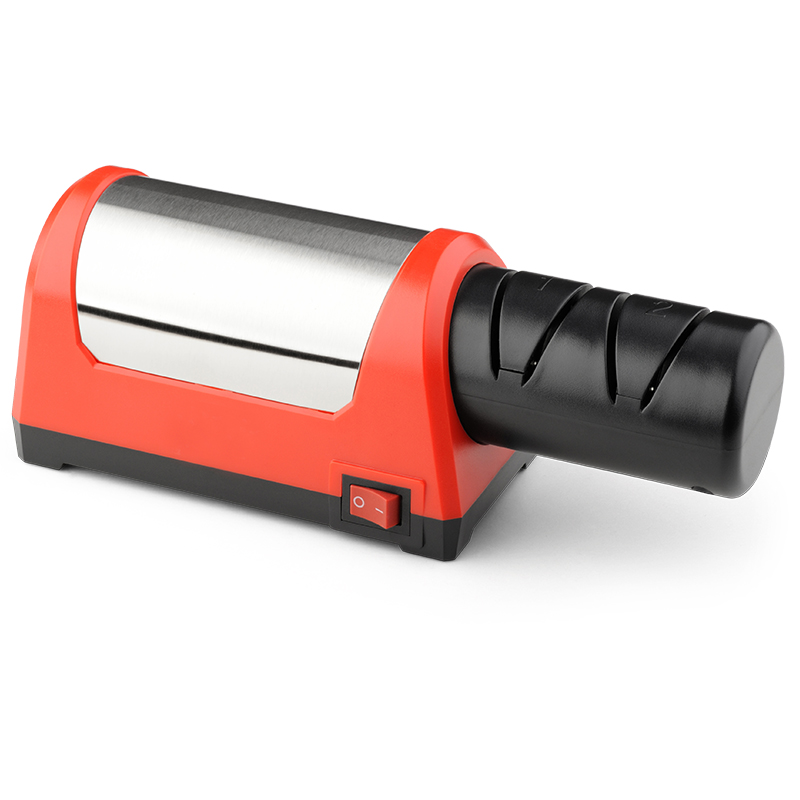
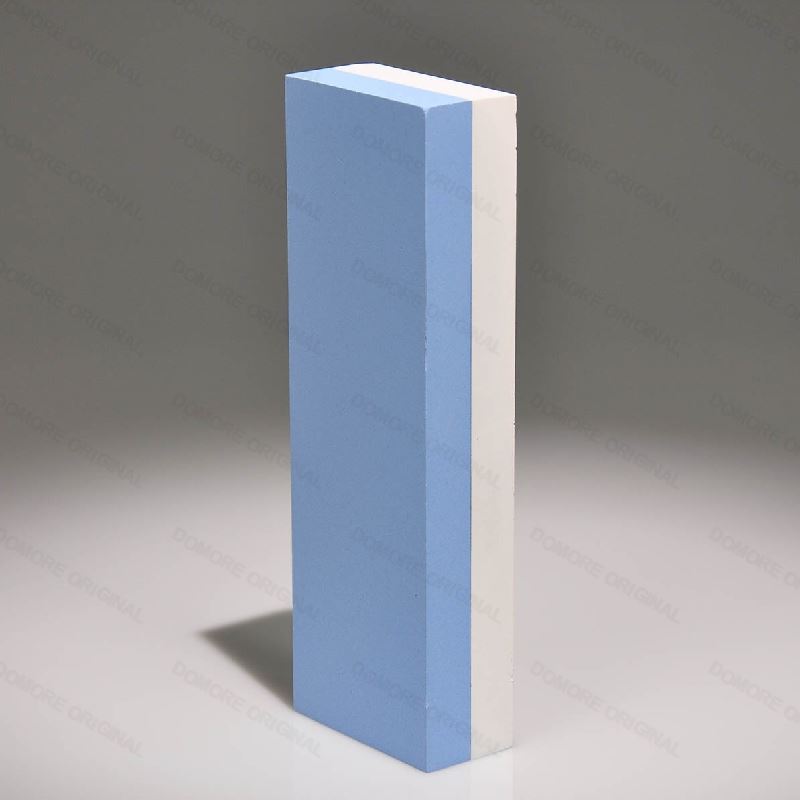
Sourcing kitchen knife sharpeners in commercial volumes requires a strict balance between abrasive durability, precise geometry, and user ergonomics. Whether you are importing manual pull-through models, precision whetstones, or motorized electric units, the core manufacturing challenge remains consistent: ensuring the sharpening medium maintains its structural integrity and exact angles over thousands of cycles without damaging the end-user's blades.
Abrasive Technologies and Core Specifications
The performance of any sharpener dictates its market viability. Factories typically utilize three primary abrasive materials, often combining them in multi-stage pull-through models. Specifying the correct material grade and bonding method is critical during the sourcing phase.
| Abrasive Material | Manufacturing Process | Primary Application | Cost Impact |
|---|---|---|---|
| Tungsten Carbide | Sintered inserts | Coarse grinding / edge resetting | Low to Medium |
| Diamond | Electroplated onto steel plates/rods | Aggressive material removal | High |
| Ceramic | High-temperature sintering | Fine honing / polishing | Medium |
When developing a product, pay close attention to the abrasive angles. Standard Western knives require a 20-degree angle per side, while Asian-style blades typically require 15 degrees. If you are developing an adjustable-angle sharpener, the internal spring and cam mechanisms must be machined from high-tensile steel or reinforced POM plastics to prevent angle drift during heavy use.
Managing abrasive tolerances and mold precision across bulk orders is complex. Get expert support to standardize your sharpener production.
Talk to our teamManufacturing Tolerances and Quality Control
Most global sharpener production is concentrated in Yangjiang, Guangdong (the kitchen knife capital) and Yongkang, Zhejiang (for motorized/electric variants). While the supply base is vast, quality variance is significant.
For manual models, the housing is typically injection-molded ABS plastic with TPR (Thermoplastic Rubber) overmolding for grip. Shrinkage during the cooling phase of injection molding can lead to misaligned abrasive slots. Even a 1-millimeter deviation in the slot housing can alter the sharpening angle, ruining a blade and leading to high return rates.
Implementing robust quality control and inspection protocols at the factory level is non-negotiable.
Critical Factory QC Checks for Sharpeners
- Abrasive alignment: Verify slot angles using digital protractors.
- Electroplating adhesion: Tape-test diamond abrasives to ensure grit does not flake.
- TPR Overmolding: Check for delamination between the ABS core and TPR grip.
- Suction base integrity: For fixed models, test vacuum seal duration on standard countertops.
- Motor thermal limits: For electric models, run continuous load tests to check for overheating.
Customization, OEM, and Compliance
Brands looking to differentiate often move beyond off-the-shelf white-label models. Engaging in OEM/ODM services allows you to alter the housing ergonomics, add custom abrasive stages (e.g., integrating a dedicated scissor sharpener), and match Pantone colors for corporate branding.
If you are sourcing electric sharpeners, compliance is a major hurdle. Motors must meet the electrical standards of your destination market. This means verifying CE, RoHS, and REACH for Europe, or UL/ETL certification for North America. Do not take a supplier's word for it; integrating professional compliance and testing into your sourcing workflow ensures the components used in your specific production run match the certified prototypes.
Typical MOQs, Pricing, and Lead Times
Pricing in this category is heavily dependent on the cost of raw abrasives (specifically industrial diamond dust) and the complexity of the plastic molds.
Because assembly is often labor-intensive, particularly for multi-stage models requiring precise manual insertion of ceramic rods or carbide plates, it is highly recommended to conduct thorough factory audits before placing large orders. You need to verify that the facility has the specialized jigs and fixtures required to maintain angle consistency across a 10,000-unit run.
Need to negotiate better terms, audit a new sharpener factory, or manage complex compliance testing? Let us help you structure a more resilient supply chain.
Get a free consultationFrequently Asked Questions
Successfully sourcing sharpeners at scale means looking past the surface design and scrutinizing the abrasive bonding and housing tolerances. When you control the technical specifications and enforce strict quality checks on the assembly line, you protect your brand from costly defect rates and ensure a product that performs exactly as promised.
Get Sourcing Help for Sharpeners
Tell us your requirements and our experts will connect you with verified manufacturers.