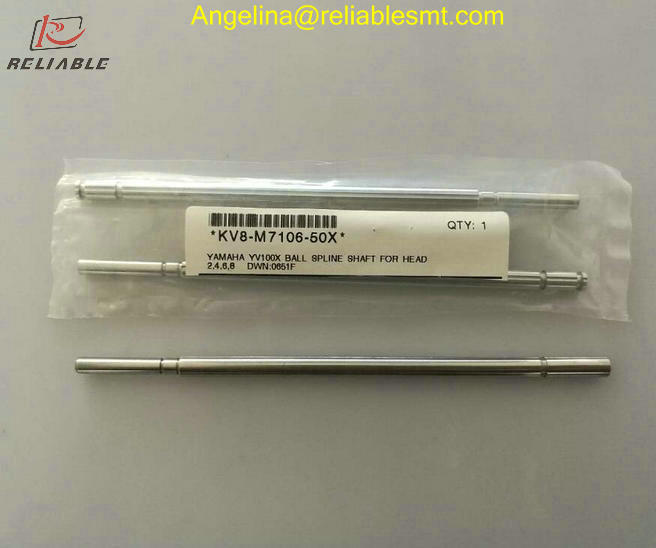
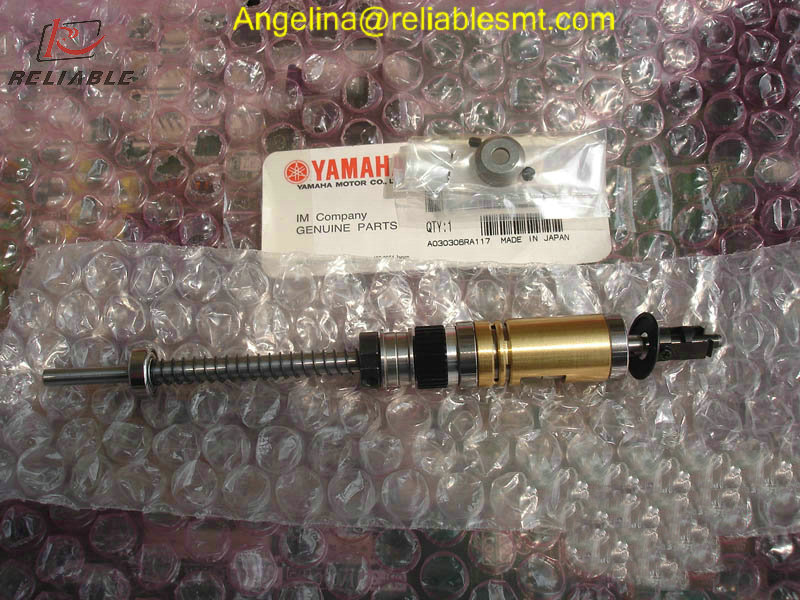
Shafts
Source industrial shafts from vetted suppliers and manufacturers across China and Asia. Designed for heavy machinery importers, industrial distributors, and brands requiring custom OEM production, our network delivers reliable bulk volumes. Secure factory-direct pricing and stringent quality control for your procurement needs.
Sourcing industrial machinery shafts at scale requires balancing exact dimensional tolerances with unit economics. Whether you are procuring standard drive shafts or commissioning custom stepped shafts with complex splines, the primary challenge lies in ensuring consistency across production batches. A microscopic deviation in concentricity or an inconsistent heat treatment cycle can lead to excessive vibration, premature bearing wear, or catastrophic failure in the final machinery assembly.
Critical Specifications for Industrial Shafts
When negotiating with manufacturers, vague specifications lead to unacceptable defect rates. You must define exact parameters for materials, thermal processing, and surface finish. Do not rely on the factory to guess the required load-bearing capacity.
Specify the exact steel grade (such as 45# carbon steel, 40Cr, or 42CrMo), the required hardness level (HRC), and the case depth if induction hardening is applied. Surface roughness (Ra) and straightness tolerances must be explicitly stated on your CAD drawings before production begins.
| Material Grade | Primary Application | Key Characteristics |
|---|---|---|
| 45# Carbon Steel | General machinery, standard drive shafts | Cost-effective, good machinability, moderate strength. |
| 40Cr Alloy Steel | Medium-load transmission shafts | High tensile strength, excellent response to quenching and tempering. |
| 42CrMo | Heavy-duty industrial equipment | Superior fatigue resistance and toughness for high-stress environments. |
| 304/316 Stainless | Food processing, marine equipment | High corrosion resistance, lower hardness compared to alloy steels. |
Need help matching your technical drawings with capable factories?
Discuss your specificationsManufacturing Risks and Quality Control
The difference between a top-tier factory and a sub-par workshop often comes down to their grinding capabilities and heat treatment controls. Many lower-tier suppliers outsource their heat treatment to third-party facilities, which introduces high variability. Improper quenching can cause warping, which the factory may then attempt to correct via aggressive cold straightening—introducing internal stresses that compromise the shaft's integrity.
To mitigate these risks, conducting comprehensive Factory Audits is essential to verify that the supplier has in-house CNC turning, cylindrical grinding, and controlled heat-treatment furnaces.
Critical Shaft QC Checkpoints
- Verify straightness and runout using dial indicators on V-blocks (typically maximum 0.02mm to 0.05mm depending on length).
- Confirm surface hardness (HRC) using ultrasonic or portable hardness testers across multiple points on the shaft.
- Inspect surface roughness (Ra) on bearing journals and seal areas.
- Check dimensional accuracy of keyways, splines, and threads against engineering tolerances.
- Perform magnetic particle inspection (MPI) or ultrasonic testing (UT) to detect sub-surface micro-cracks from heat treatment.
Implementing rigorous Quality Control & Inspection before shipment ensures that out-of-tolerance parts never leave the factory floor.
Custom Machining and OEM Production
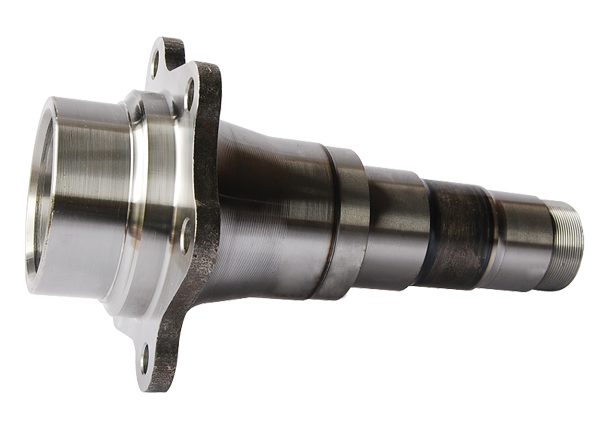
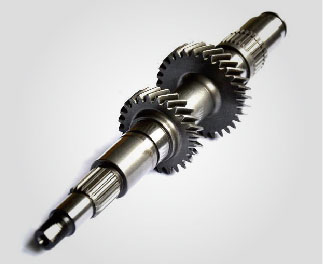
Industrial buyers rarely purchase off-the-shelf shafts. Most procurement involves custom geometries, including stepped diameters, internal/external splines, cross-holes, and precision keyways. When utilizing OEM/ODM Services, ensure the supplier has multi-axis CNC machining centers capable of completing complex milling and turning operations in a single setup. This reduces the risk of tolerance stacking that occurs when parts are moved between different manual machines.
Tooling and Spline Broaching
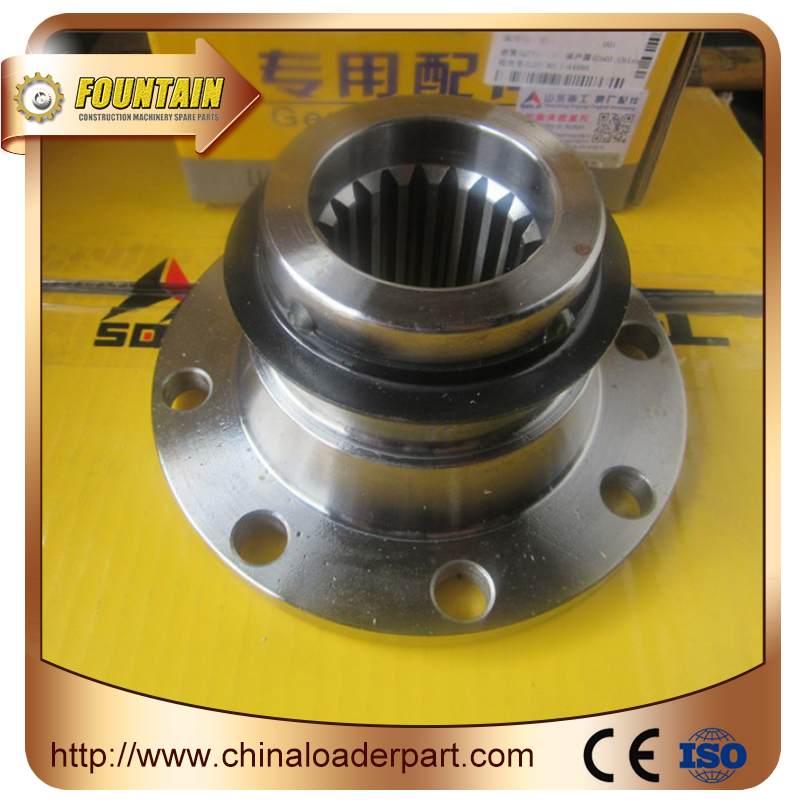
If your shafts require custom splines, inquire about the factory's tooling inventory. Standard splines can be cut with existing hobs, but proprietary profiles will require custom broaching tools, adding to your initial lead time and tooling costs.
Pricing, MOQs, and Lead Times
Shaft pricing is highly dependent on raw material costs (which fluctuate with global steel markets), machining complexity, and the required precision. Tighter tolerances on bearing journals (such as IT5 or IT6) require slow, precision cylindrical grinding, which significantly increases machine time and unit cost.
Optimize your unit costs and lead times with our sourcing network.
Get a production quoteFrequently Asked Questions
Successful shaft procurement requires looking past the initial unit price to evaluate a manufacturer's machining precision, metallurgical control, and quality assurance processes. Partnering with a professional team to manage Product Sourcing ensures you engage with factories capable of meeting your exact engineering standards, protecting your supply chain from costly assembly failures.
Get Sourcing Help for Shafts
Tell us your requirements and our experts will connect you with verified manufacturers.