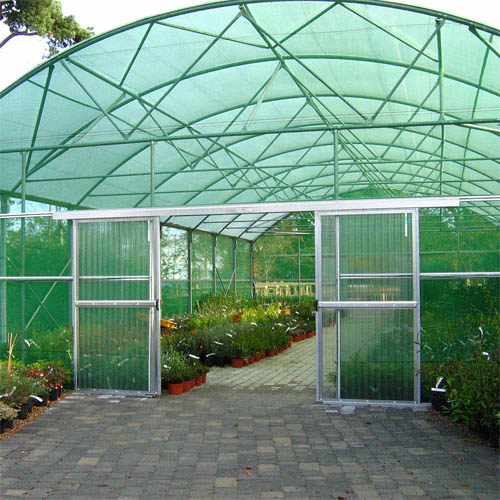
Shade Sails & Nets
Source premium Shade Sails & Nets from vetted manufacturers and suppliers. Designed for importers, wholesalers, distributors, and garden supply brands looking for reliable OEM or private-label production. Secure bulk orders of durable, UV-stabilized shade solutions with confidence.
Shade sails and nets are structural textiles. For bulk buyers, the primary sourcing challenge is balancing mechanical strength under wind load with long-term UV stability. A shade sail that fails prematurely—whether through fabric degradation, edge tearing, or hardware corrosion—damages brand reputation and drives up return rates. Sourcing commercial-grade shade products requires strict specification of yarn quality, knitting techniques, and edge construction.
Fabric Specifications: HDPE vs. Polyester
The core of any shade product is the fabric. Manufacturers primarily use two materials, each serving entirely different market segments and performance requirements.
| Material | Primary Use | Water Resistance | Typical GSM |
|---|---|---|---|
| Knitted HDPE | Residential & Commercial | Permeable (Breathable) | 160 to 340+ |
| Woven Polyester (PU Coated) | Temporary / Seasonal | Waterproof | 140 to 220 |
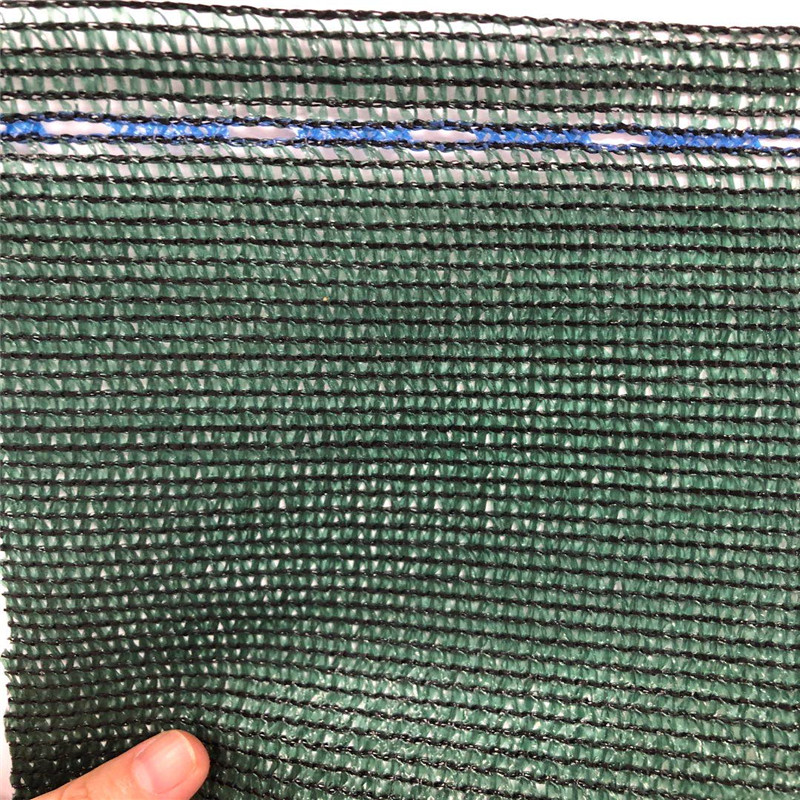
High-Density Polyethylene (HDPE) is the industry standard for durable shade sails. It is knitted rather than woven, which prevents tearing if punctured and allows heat to escape. When sourcing HDPE, the critical metric is GSM (Grams per Square Meter). However, high GSM alone does not guarantee quality; the yarn must be extruded with premium UV inhibitors (often specified as BASF or Ciba additives) to prevent the plastic from becoming brittle under prolonged sun exposure.
Polyurethane-Coated Polyester is used for waterproof shade sails. While it provides rain protection, it catches wind like a parachute, requiring significantly heavier structural mounting. It is generally reserved for smaller, temporary residential installations.
Need to secure a manufacturer capable of extruding high-grade, UV-stabilized HDPE yarn? We can help you vet the right factory.
Talk to our teamManufacturing Tolerances and Edge Construction
The fabric rarely fails first; the failure point is almost always the edge webbing or the corner attachments. Many low-end suppliers cut costs by using standard sewing thread or skipping perimeter reinforcement.
When evaluating a factory's technical capability, you must look beyond the knitting machines and examine their cut-and-sew operations. Conducting thorough factory audits is essential to ensure the supplier has the heavy-duty industrial sewing equipment required to stitch through multiple layers of high-GSM fabric and heavy webbing.
Critical Manufacturing Checkpoints
- Catenary Curve: Sails must be cut with a calculated negative curve (usually 5 to 8 percent) on the perimeter to ensure tight tension and prevent center sagging.
- Perimeter Webbing: Commercial sails require heavy-duty seatbelt-style webbing sewn completely around the perimeter, not just at the corners.
- Thread Quality: Stitching must utilize UV-stabilized PTFE (Teflon) or heavy-duty bonded polyester thread.
- Hardware Specs: Corner D-rings or Delta rings must be marine-grade 304 or 316 stainless steel. Galvanized steel will rust and stain the fabric.
Implementing robust quality control inspections before shipment is the only way to verify that correct tension curves and specified hardware have been used on your production run.
Pricing Drivers, MOQs, and Lead Times
Pricing in the shade sail category is highly sensitive to petroleum costs (which dictate the price of raw HDPE resin) and the specific UV inhibitor packages requested.
MOQs are dictated by the fabric dyeing and knitting process. If you are ordering standard colors (sand, charcoal, terracotta), factories can often pull from existing roll stock, allowing for lower MOQs per size. If you require custom Pantone matching for a specific brand line, the factory must extrude a custom batch of yarn, pushing MOQs to 1,000 pieces or more.
For brands looking to design proprietary mounting hardware or custom fabric blends, leveraging professional OEM/ODM services ensures your specifications are correctly translated to the factory floor.
Planning a custom shade sail line? Let us manage the supplier negotiations, MOQs, and quality control for your next bulk order.
Get a free consultationFrequently Asked Questions
Successful sourcing in the shade sail category comes down to locking in the hidden details: the exact grade of the UV inhibitors, the breaking strain of the edge webbing, and the alloy of the corner rings. When you dictate these specifications clearly and enforce them through rigorous inspection, you secure a product that performs flawlessly in the field.
Get Sourcing Help for Shade Sails & Nets
Tell us your requirements and our experts will connect you with verified manufacturers.