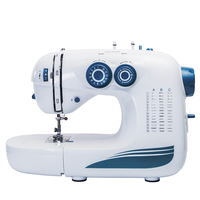
Sewing Machines
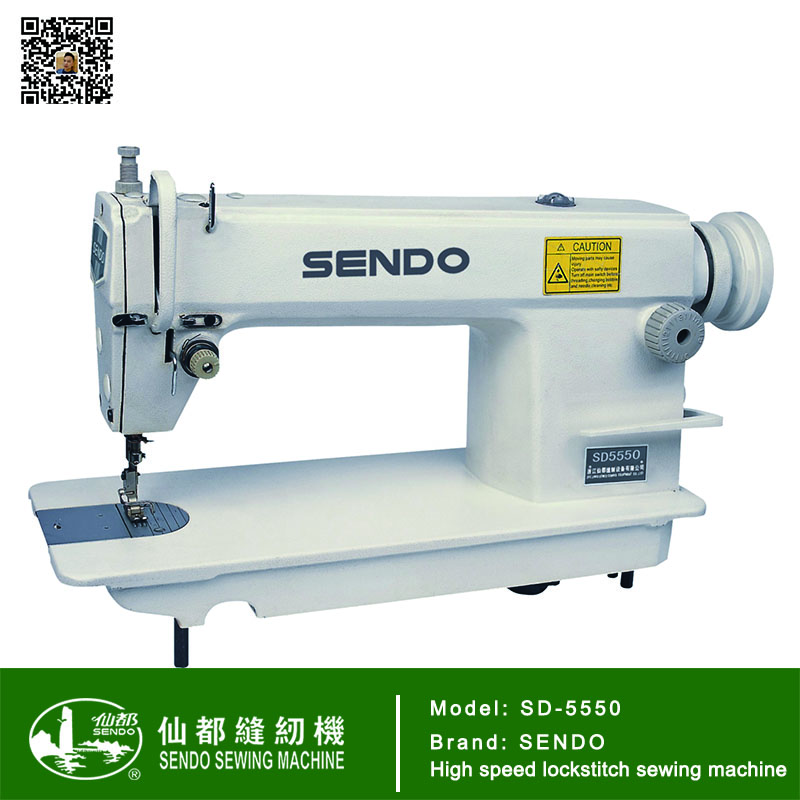
Source high-performance sewing machines from vetted suppliers and manufacturers in Asia. Designed for apparel importers, wholesalers, distributors, and brands seeking reliable OEM production, our network delivers bulk manufacturing equipment optimized for continuous operation, precision stitching, and long-term factory durability.
Sourcing industrial sewing machinery requires balancing high-speed performance with long-term mechanical reliability. A commercial production line's efficiency hinges on machines that can sustain thousands of stitches per minute (SPM) over multiple shifts without overheating, vibrating excessively, or losing tension consistency. For importers and procurement managers, identifying factories that use high-grade metallurgy for internal components rather than just assembling off-the-shelf parts is the primary sourcing challenge.
Core Specifications and Component Selection
When negotiating with manufacturers, the bill of materials (BOM) dictates the machine's lifespan and output quality. You must specify the exact technology and component origins, as these directly impact the unit cost and factory floor performance.
- Motor Technology: The industry standard has shifted from traditional clutch motors to direct-drive servo motors. Direct-drive systems are integrated into the machine head, reducing power consumption by up to 70 percent, minimizing vibration, and allowing for precise needle positioning.
- Rotary Hooks and Shuttles: The rotary hook is the heart of the sewing machine. Premium OEM builds often specify Japanese-made hooks (such as Hirose or Koban) to prevent thread breakage at speeds exceeding 4,000 SPM.
- Lubrication Systems: Continuous high-speed operation requires effective heat dissipation. While standard open oil baths are common, modern facilities demand semi-dry or fully dry head technology to eliminate the risk of oil staining on finished garments.
| Feature | Standard Industrial | Premium OEM Specification |
|---|---|---|
| Motor Type | External belt-driven servo | Integrated direct-drive AC servo |
| Max Speed (SPM) | 3,500 - 4,000 | 5,000+ |
| Lubrication | Open oil pan | Closed semi-dry system |
| Control Box | Generic domestic | Branded (e.g., Hohsing) |
Need help verifying the technical capabilities of a prospective machinery manufacturer?
Talk to our teamManufacturing Quality and Inspection
The difference between a tier-one machinery manufacturer and a lower-tier assembler lies in their CNC machining capabilities. The casting of the machine arm and bed must be perfectly milled to ensure alignment. Misalignment by fractions of a millimeter will cause excessive wear on the needle bar and feed dog mechanisms.
Conducting thorough Factory Audits is critical before placing a bulk order. You need to verify that the supplier has rigorous in-house quality management systems for casting, painting, and electronic assembly.
Critical Pre-Shipment Checks
Before containers are loaded, rigorous Quality Control & Inspection should be executed on the factory floor. Testing should simulate actual production environments.
Key Inspection Points for Sewing Machinery
- Run-in testing: Operate at maximum SPM for 30 minutes to check for motor overheating.
- Vibration analysis: Ensure the machine head remains stable at peak operating speeds.
- Oil leakage check: Inspect the needle bar and thread take-up lever for micro-leaks.
- Stitch consistency: Test across multiple fabric weights (lightweight to denim) to verify tension stability.
- Electrical safety: Verify grounding, control box insulation, and compliance with CE/UL standards.
MOQs, Lead Times, and Pricing Reality
Purchasing commercial sewing machines in bulk involves different supply chain dynamics compared to consumer goods.
Pricing is heavily influenced by the electronic control box and the origin of the core mechanical parts. A machine utilizing generic domestic components will be significantly cheaper but will likely suffer higher downtime in a factory setting. If you are utilizing OEM/ODM Services to build a proprietary line of equipment under your own brand, expect slightly longer lead times for the initial tooling of custom branded plates and software localization for the digital control panels.
Optimize your machinery supply chain and secure favorable OEM terms.
Get a free consultationFrequently Asked Questions
Sourcing industrial sewing machines requires precision in specification and rigorous oversight on the factory floor. By strictly defining the component BOM and enforcing strict pre-shipment performance testing, you can secure reliable machinery that delivers long-term value to your end-users or production facilities.
Get Sourcing Help for Sewing Machines
Tell us your requirements and our experts will connect you with verified manufacturers.