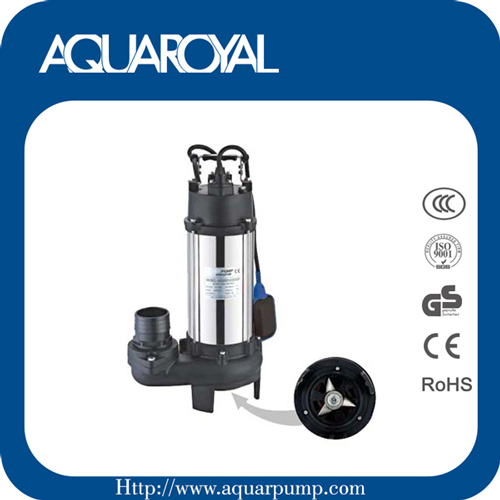
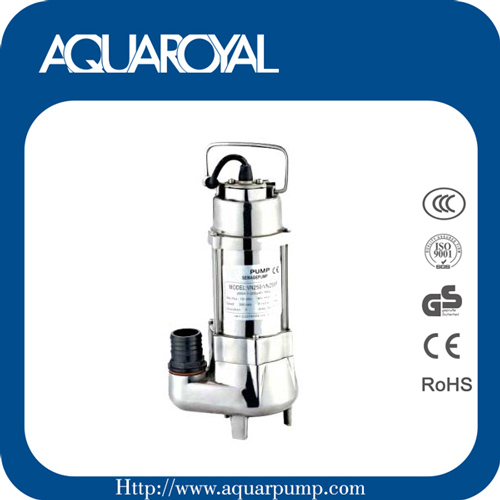
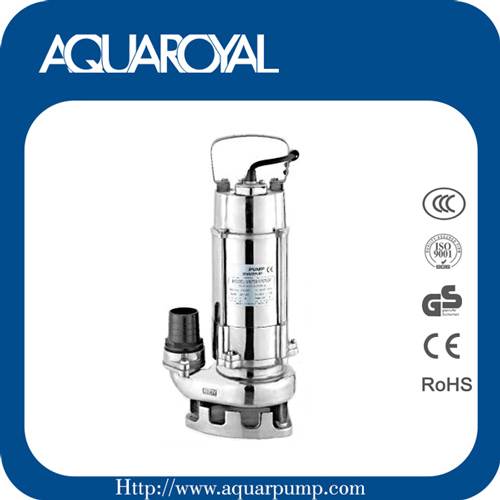
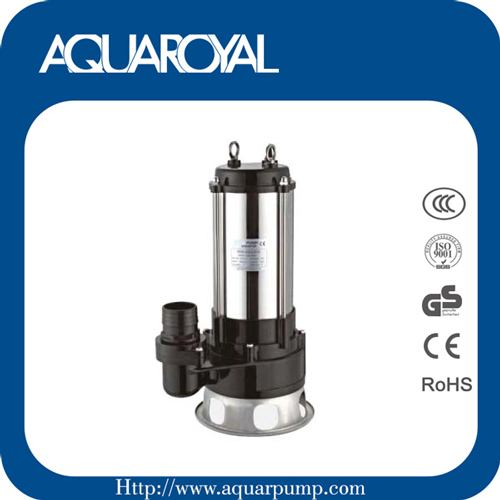
Sewer Products
Source commercial-grade sewer products from vetted manufacturers and wholesale suppliers. Designed for importers, distributors, and brands seeking reliable bulk procurement or OEM production, our network delivers high-performance environmental infrastructure components built to strict municipal and industrial standards.
Sourcing municipal and industrial sewer products at scale requires balancing unit costs with uncompromising structural integrity. Whether you are importing heavy-duty access covers, drainage components, or composite fittings, failure in the field is not an option. Navigating the Asian manufacturing landscape for these infrastructure items means scrutinizing material grades, casting processes, and load-bearing certifications before the first container is ever loaded.
Material Specifications & Manufacturing Processes
Sewer infrastructure relies heavily on the core material's ability to withstand corrosive environments, dynamic traffic loads, and temperature fluctuations. The manufacturing method dictates both the structural limits of the product and the initial tooling investment required.
| Material | Primary Manufacturing | Key Specifications | Best For |
|---|---|---|---|
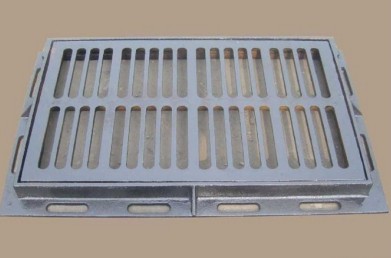
| Ductile Iron | Sand Casting | Nodularity rate over 85 percent, Tensile strength | Heavy-traffic municipal access, high-pressure fittings |
| HDPE / PVC | Extrusion / Injection Molding | SDR, Ring Stiffness (SN4, SN8) | Underground piping, corrosive fluid transport |
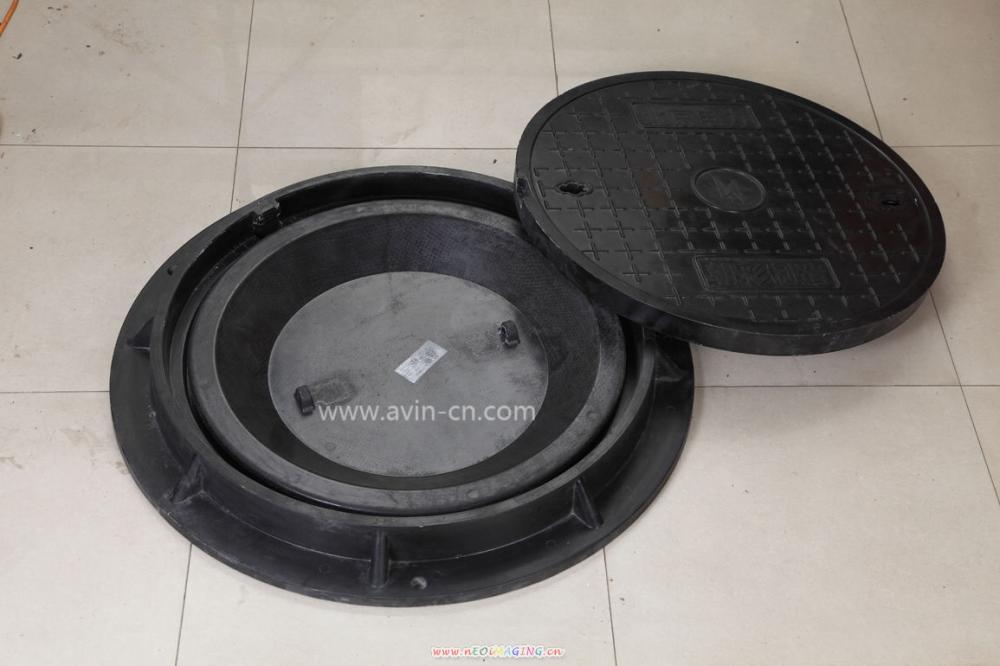
| SMC/BMC Composites | Compression Molding | Fiberglass ratio, UV resistance | Theft-proof applications, pedestrian zones |
When dealing with cast and ductile iron, the critical failure point is often poor nodularity. If a factory cuts corners on the magnesium treatment during the pouring process, the iron becomes brittle (flake graphite) rather than ductile (nodular graphite), leading to catastrophic failure under heavy loads. Verifying a supplier's metallurgical capabilities through comprehensive factory audits is essential before committing to a production run.
Need to verify a supplier's casting capabilities? Let our sourcing experts handle the technical vetting.
Talk to our teamQuality Control & Load Certifications
Municipalities and industrial clients require strict compliance with international standards. A supplier claiming their product is "heavy duty" is meaningless without certified, reproducible testing data.
To ensure compliance, your procurement strategy must include rigorous quality control protocols that test the product against the specific standards of your target market (such as EN 124 for Europe or AASHTO for North America).
Critical QC Checks for Sewer Products
- Material Composition: Spectrometer analysis of the raw material before pouring or molding.
- Load Testing: Hydraulic press testing to verify compliance with specified load classes (e.g., D400, E600).
- Dimensional Tolerances: Checking seat and cover fitment to prevent rattling and ensure watertight seals.
- Coating Integrity: Measuring the thickness of anti-corrosive bitumen or epoxy coatings using digital gauges.
- Chemical Resistance: Accelerated testing for polymer and composite materials against hydrogen sulfide.
Production Economics: MOQs, Tooling, and Lead Times
Heavy industrial products have unique procurement economics, driven heavily by mold creation, raw material index prices, and the sheer physical weight of the goods.
If you require custom municipal logos, proprietary locking mechanisms, or specific localized dimensions, engaging in OEM/ODM services will require an upfront investment in new tooling. For iron products, aluminum or CNC-machined iron patterns are standard and relatively inexpensive compared to the steel molds required for plastic injection or composite compression.
Pricing for these products is highly volatile and directly tied to global commodity indices for pig iron, scrap steel, and petrochemical resins. Buyers should negotiate contracts that clearly define how raw material price fluctuations are handled between the time of quoting and the time of production.
Optimize your procurement strategy and secure favorable terms with vetted infrastructure manufacturers.
Get a free consultationFrequently Asked Questions
Successfully importing sewer and infrastructure products requires moving beyond simple unit-price comparisons. By establishing strict material specifications, investing in proper tooling, and enforcing rigorous pre-shipment inspections, buyers can secure highly durable products that protect their margins and their reputation in the field.
Get Sourcing Help for Sewer Products
Tell us your requirements and our experts will connect you with verified manufacturers.