Servers
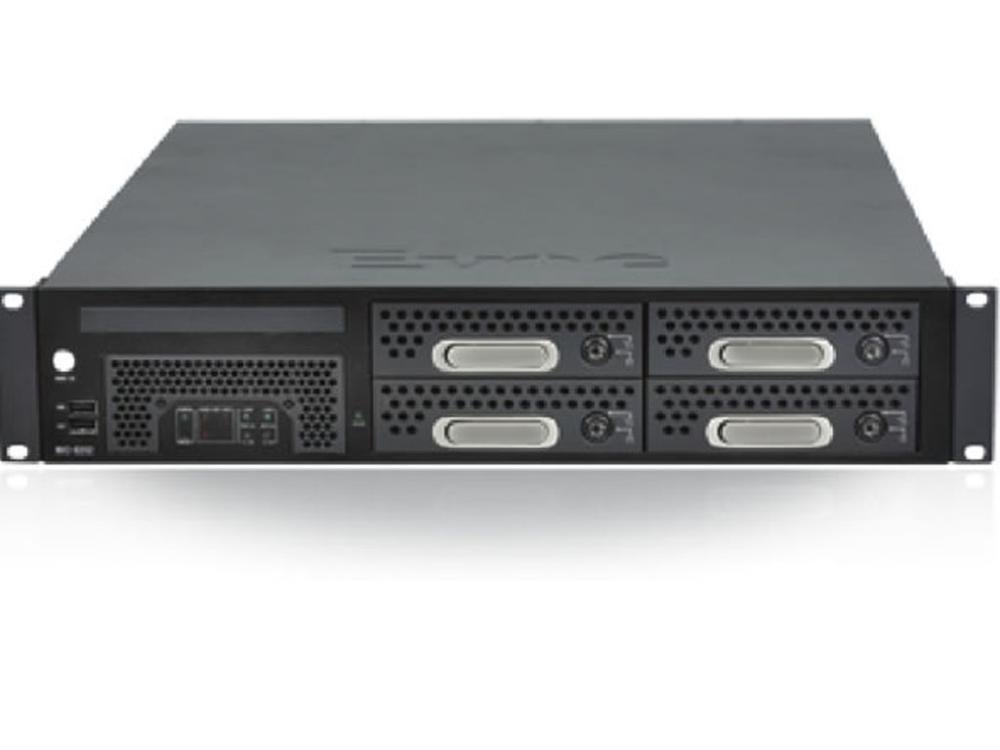
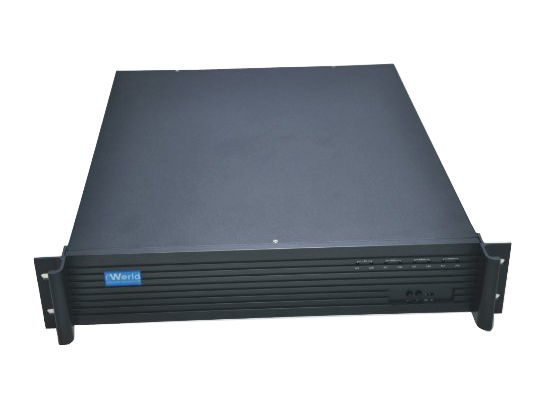
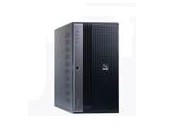
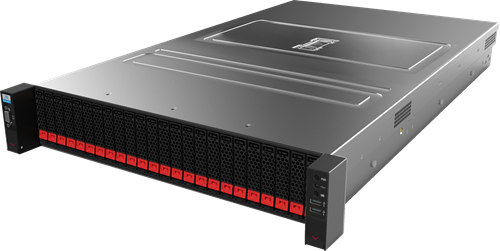
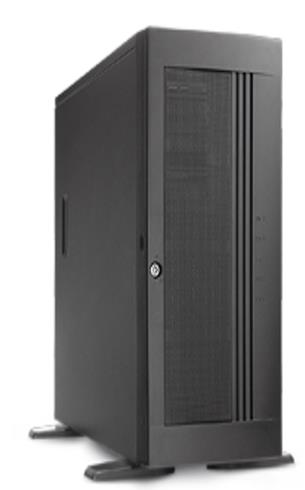
Source enterprise-grade servers from vetted manufacturers and suppliers across Asia. Designed for IT distributors, system integrators, and brands requiring reliable OEM and ODM hardware production in bulk. Secure competitive wholesale pricing on custom rackmount, tower, and blade configurations.
Sourcing server hardware directly from overseas manufacturers requires strict attention to component compatibility, thermal design, and firmware stability. Whether you are importing barebone chassis systems or fully integrated nodes, securing a reliable supply chain means vetting factories not just for their assembly capabilities, but for their rigorous testing protocols and access to tier-one silicon channels.
Defining Specifications for OEM Server Hardware
When defining your server requirements for an overseas manufacturer, precision is critical. You must specify the exact backplane architecture, redundant power supply unit (PSU) standards, and baseboard management controller (BMC) requirements. A minor miscommunication regarding PCIe lane distribution or NVMe backplane connectivity can render an entire production run useless for your target deployment.
For brands looking to build proprietary hardware appliances, utilizing OEM/ODM Services allows you to customize the chassis tooling, motherboard layout, and BIOS/IPMI firmware to your exact specifications.
| Chassis Form Factor | Typical Thermal Capacity | Storage Density Focus |
|---|---|---|
| 1U Rackmount | Up to 200W per CPU | High-speed NVMe (4 to 12 bays) |
| 2U Rackmount | Up to 350W per CPU | High-capacity SAS/SATA (12 to 24 bays) |
| 4U / GPU Server | Extreme (Multi-GPU airflow) | Mixed storage with PCIe expansion |
Validating server manufacturers requires deep technical expertise. Let us handle the factory vetting and specification alignment for your next hardware project.
Talk to our teamFactory Floor Realities: Assembly and Testing
Server manufacturing is highly sensitive to electrostatic discharge (ESD) and soldering anomalies. High-quality suppliers maintain strict clean-room environments for Surface Mount Technology (SMT) lines when producing custom server motherboards.
Before committing to a bulk order, it is highly recommended to conduct comprehensive Factory Audits to verify the supplier's thermal testing chambers and burn-in racks.
Critical Server Manufacturing Checkpoints
- SMT Line Precision: Verification of automated optical inspection (AOI) for high-density CPU sockets.
- Thermal Chamber Testing: Systems must be tested under full load at elevated ambient temperatures (often up to 45 degrees Celsius).
- Extended Burn-In: Minimum 48 to 72 hours of continuous stress testing on CPU, RAM, and storage subsystems.
- Firmware Validation: Ensuring BMC/IPMI interfaces are flashed with stable, secure, and customized firmware.
Implementing rigorous Quality Control & Inspection protocols before shipment is the only way to ensure that dead-on-arrival (DOA) rates remain at acceptable enterprise minimums (typically under 1 percent).
Firmware and Security Compliance
Always verify the origin and security of the Baseboard Management Controller (BMC) firmware. Untested or generic IPMI implementations can introduce severe network vulnerabilities. Ensure your supplier provides regular firmware updates or allows you to flash your own validated BIOS/BMC code.
Sourcing Economics: MOQs, Pricing, and Lead Times
The server supply chain is heavily dependent on the global availability of CPUs, memory, and specialized controllers. Pricing fluctuates based on silicon allocation, and lead times can extend significantly during global chip shortages.
When importing server hardware into Western markets, you must also navigate strict electrical and electromagnetic interference regulations. Partnering with experts for Compliance & Testing ensures your hardware meets CE, FCC, RoHS, and UL standards, preventing costly customs seizures or deployment delays.
Avoid supply chain bottlenecks and quality control failures. Partner with us to secure reliable server production and seamless international logistics.
Get a free consultationFrequently Asked Questions
Successfully importing server hardware requires balancing aggressive wholesale pricing with uncompromising quality assurance. By focusing on stringent factory validation, extensive burn-in testing, and secure firmware implementations, you can build a hardware supply chain that meets the demands of modern enterprise IT infrastructure.
Get Sourcing Help for Servers
Tell us your requirements and our experts will connect you with verified manufacturers.