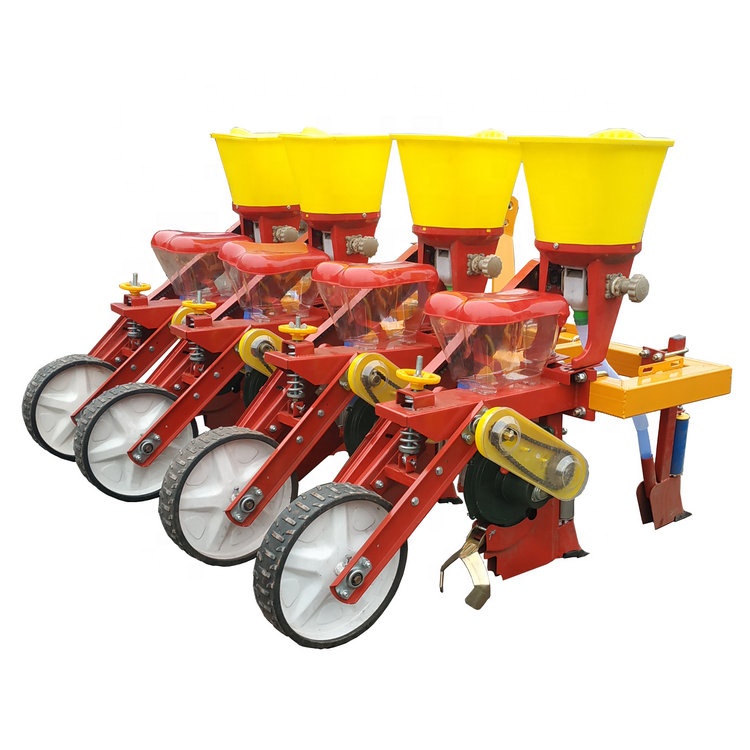
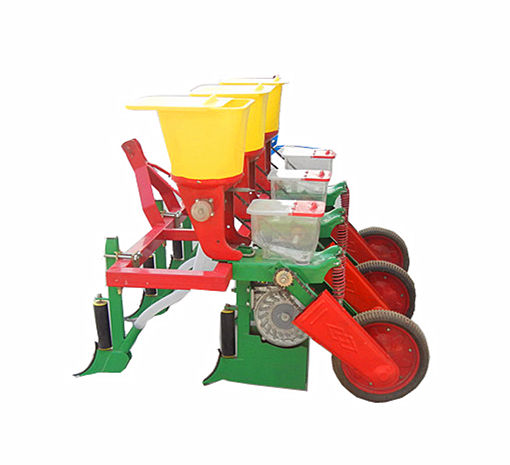
Seeders & Transplanters
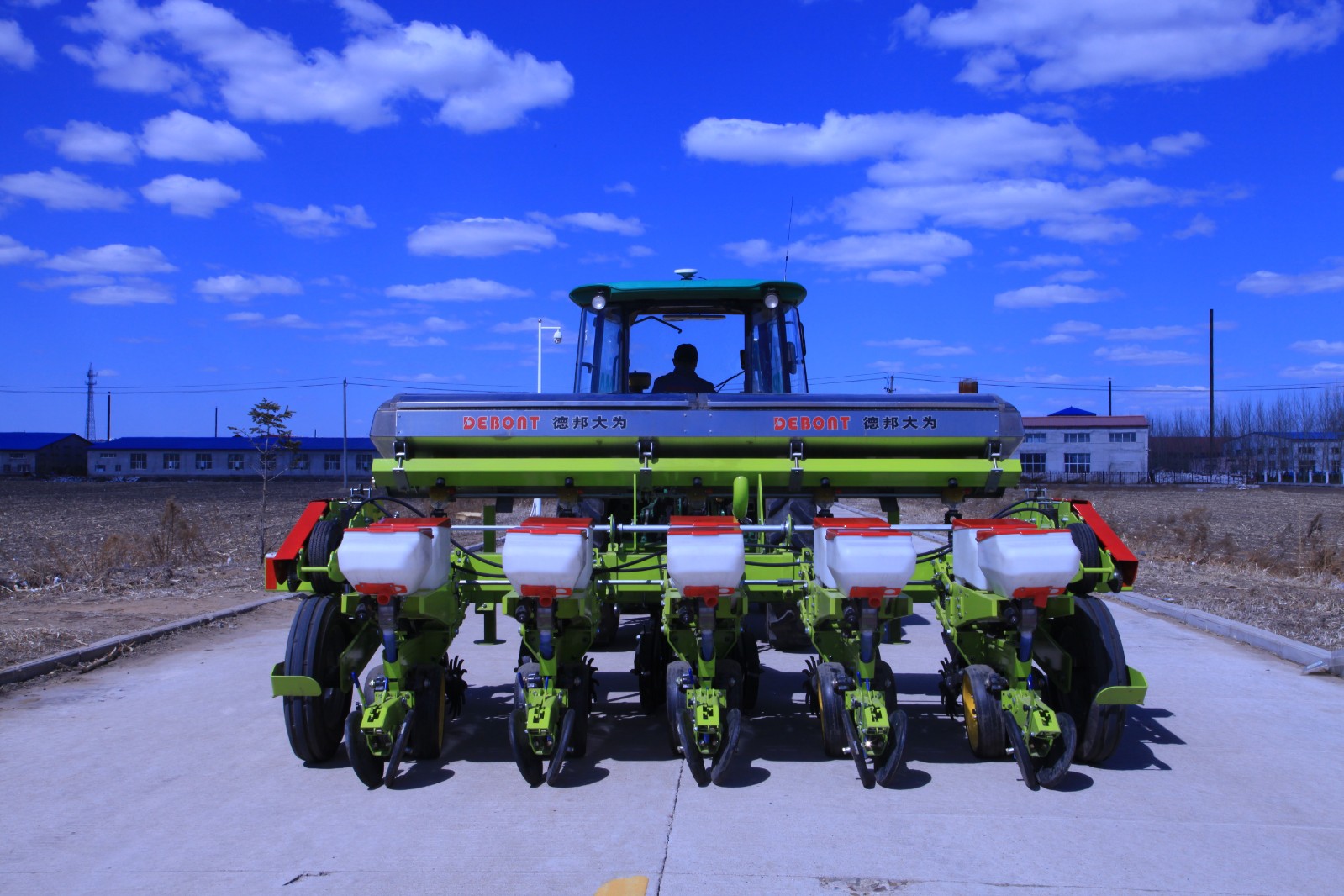
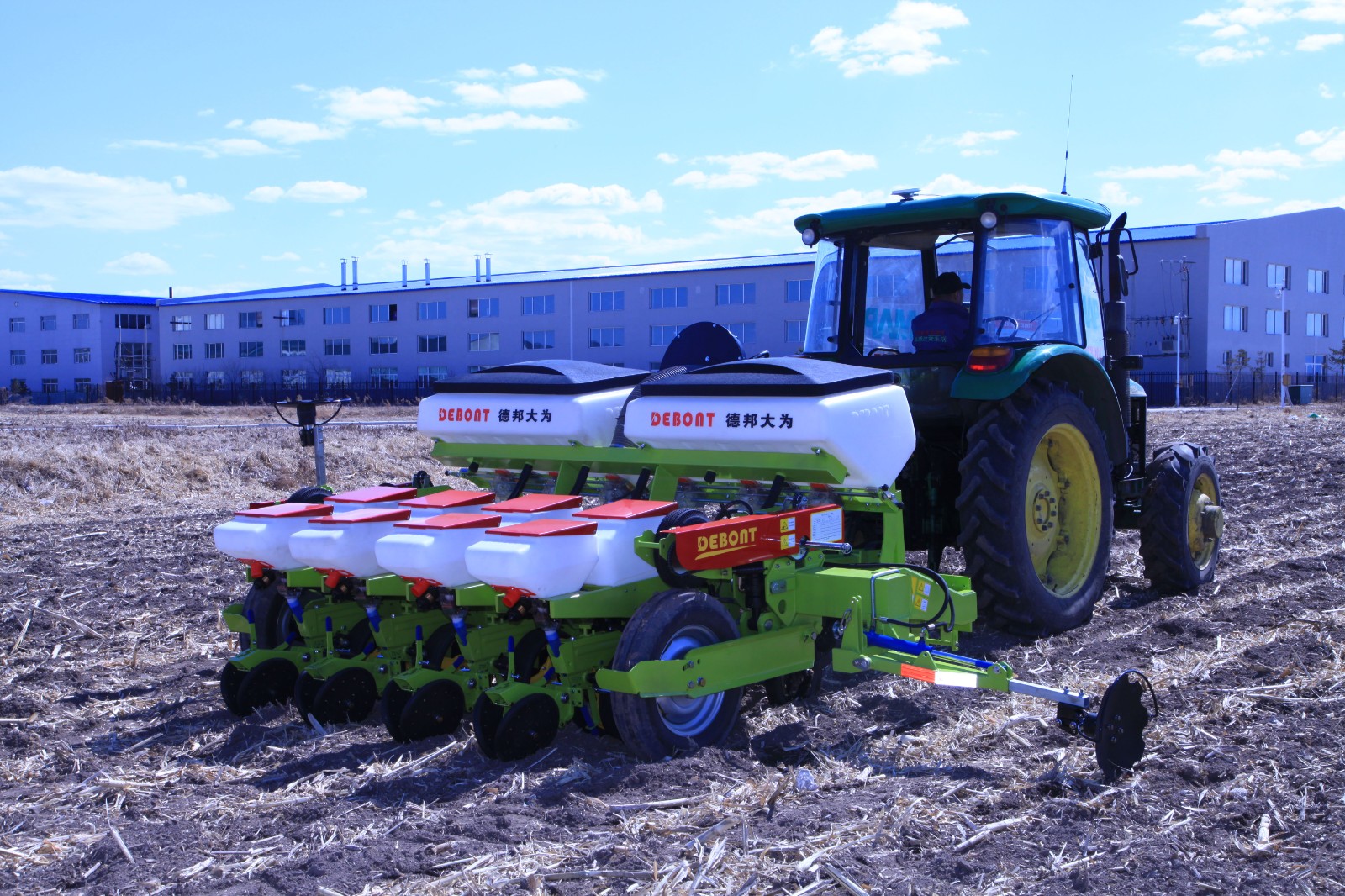
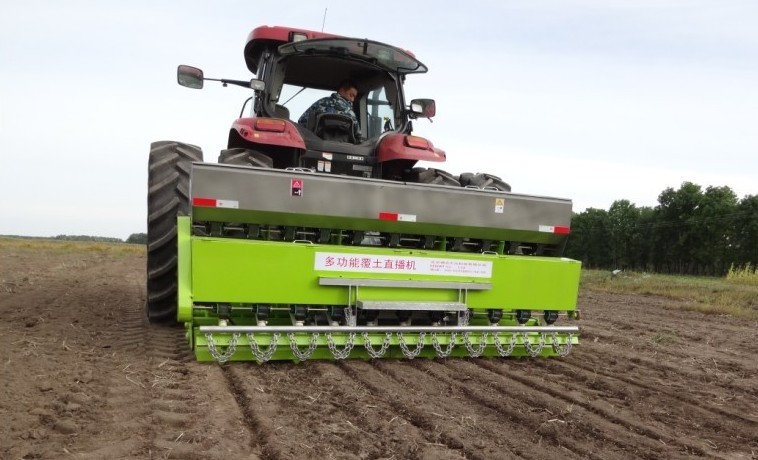
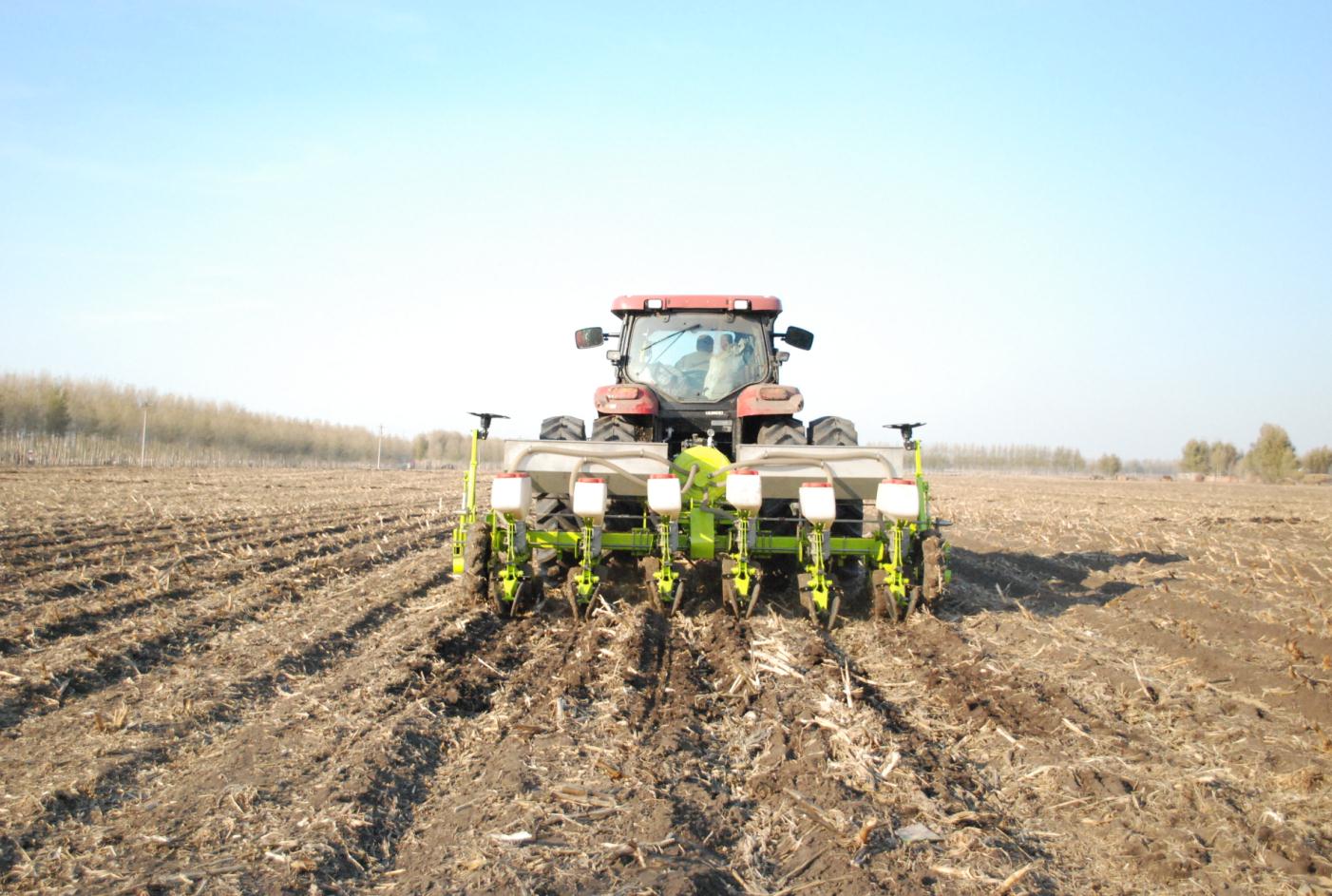
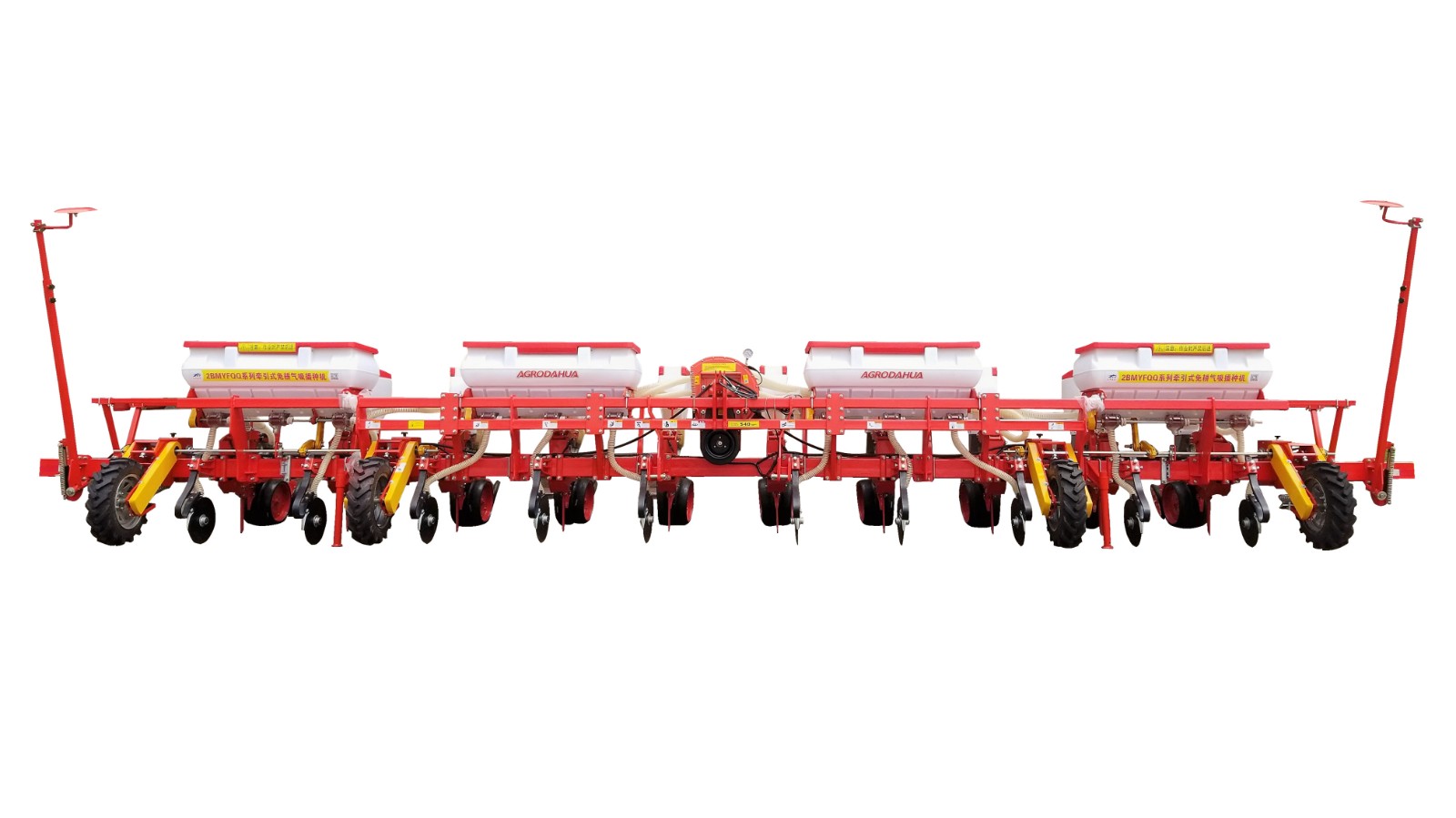
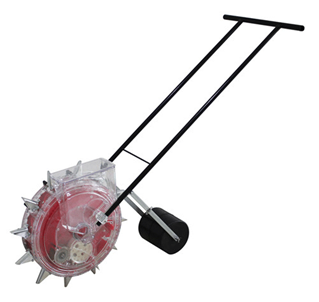
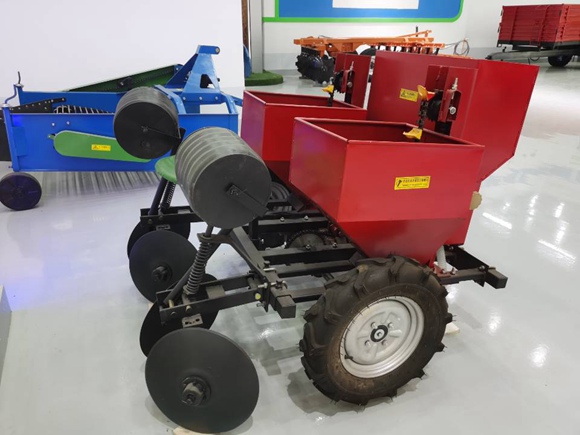
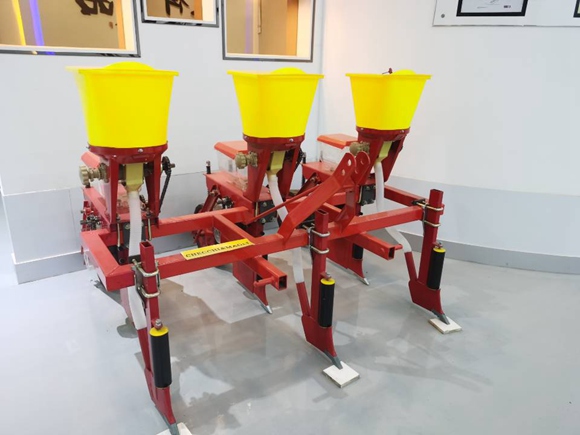
Source commercial-grade seeders and transplanters directly from vetted manufacturers and wholesale suppliers. Designed for agricultural equipment importers, distributors, and brands seeking reliable OEM production, our network delivers precision planting machinery built for high-yield farming environments and rigorous field conditions.
Sourcing agricultural planting machinery requires balancing seed placement precision with rugged durability. For importers and distributors buying in bulk, the primary challenge is identifying manufacturers capable of producing equipment that performs consistently across varying soil types and residue conditions. A poorly manufactured seeder doesn't just break down; it causes skips, doubles, and uneven emergence, directly impacting crop yields and destroying your brand's reputation with end-users.
Core Specifications and Manufacturing Variables
The reliability of a seeder or transplanter comes down to the engineering of its row units, the precision of its metering system, and the structural integrity of its toolbar. When evaluating factory capabilities, focus on the materials and machining tolerances used in these critical assemblies.
| Component | Standard / Mechanical | Advanced / Pneumatic |
|---|---|---|
| Metering System | Gravity/plate-driven, higher wear | Vacuum/air-pressure, high accuracy |
| Downforce Control | Heavy-duty spring tension | Hydraulic or pneumatic active control |
| Frame Construction | Standard carbon steel, bolted | High-yield tubular steel, continuous welds |
Seed Metering and Placement Mechanisms
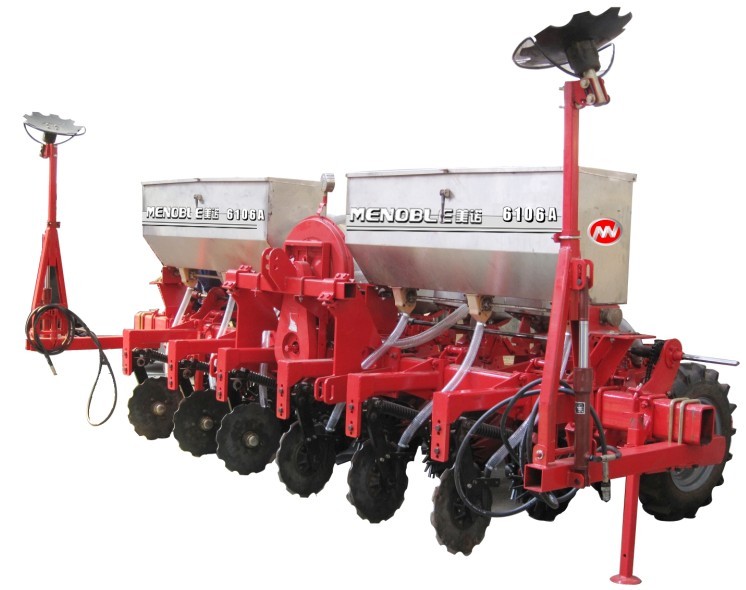
The heart of any seeder is the metering unit. Mechanical plate meters are cost-effective but prone to wear and seed damage at higher speeds. Pneumatic (vacuum or positive pressure) systems offer superior singulation accuracy but require manufacturers with advanced machining capabilities to ensure airtight seals and precise airflow routing. When negotiating OEM agreements, specify the exact seed types and sizes the machine must handle, as this dictates the required seed disc tolerances.
Struggling to find a manufacturer with the right engineering capabilities? Let us help you identify and vet qualified machinery suppliers.
Talk to our teamQuality Control and Factory Vetting
Agricultural machinery is subjected to extreme vibration, dust, and dynamic loads. Verifying a supplier's production standards before placing a volume order is non-negotiable. An effective factory audit should assess their welding automation, powder-coating processes, and hydraulic testing facilities.
Critical Pre-Shipment Inspection Points
- Verify singulation accuracy and seed drop timing on a test stand.
- Inspect continuous weld penetration on the main toolbar and row unit shanks.
- Check hydraulic cylinders and hoses for pressure retention and leakages.
- Ensure hopper seals are watertight to prevent seed germination or fertilizer caking.
- Confirm powder-coat thickness to guarantee long-term corrosion resistance.
Catching a misaligned seed tube or a faulty hydraulic valve after the equipment has reached your domestic warehouse is incredibly costly. Implementing rigorous pre-shipment quality control at the factory level ensures that every unit meets your operational specifications before it is loaded into the container.
Typical MOQs, Lead Times, and Pricing Dynamics
Because seeders and transplanters are large, capital-intensive pieces of equipment, purchasing dynamics differ significantly from lighter agricultural tools.
Pricing is heavily influenced by the number of rows, the sophistication of the metering and downforce systems, and the inclusion of dry or liquid fertilizer attachments. Bulk pricing scales best when standardizing the core toolbar and row units while offering modular attachments for different markets.
Need to optimize your landed costs? We manage the end-to-end sourcing process to secure competitive pricing and reliable production schedules.
Get a free consultationBuyer FAQ
Securing reliable seeders and transplanters requires a deep understanding of agricultural mechanics and factory-level production capabilities. By focusing on the precision of metering components and the durability of the frame, you can import machinery that commands premium margins and builds lasting trust with agricultural end-users.
Get Sourcing Help for Seeders & Transplanters
Tell us your requirements and our experts will connect you with verified manufacturers.