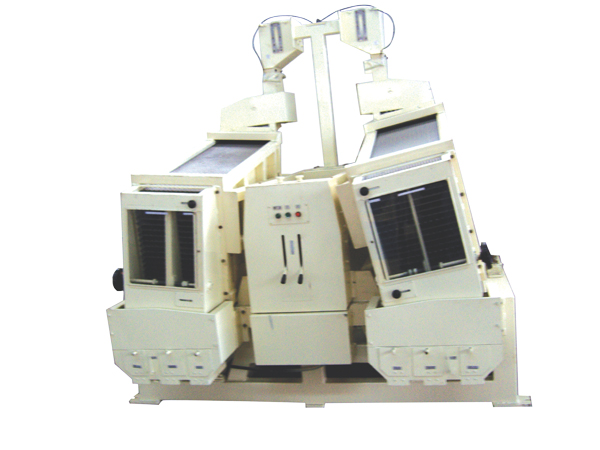
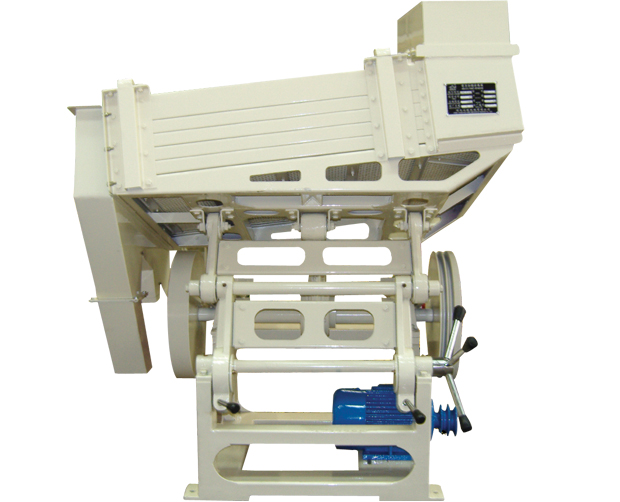
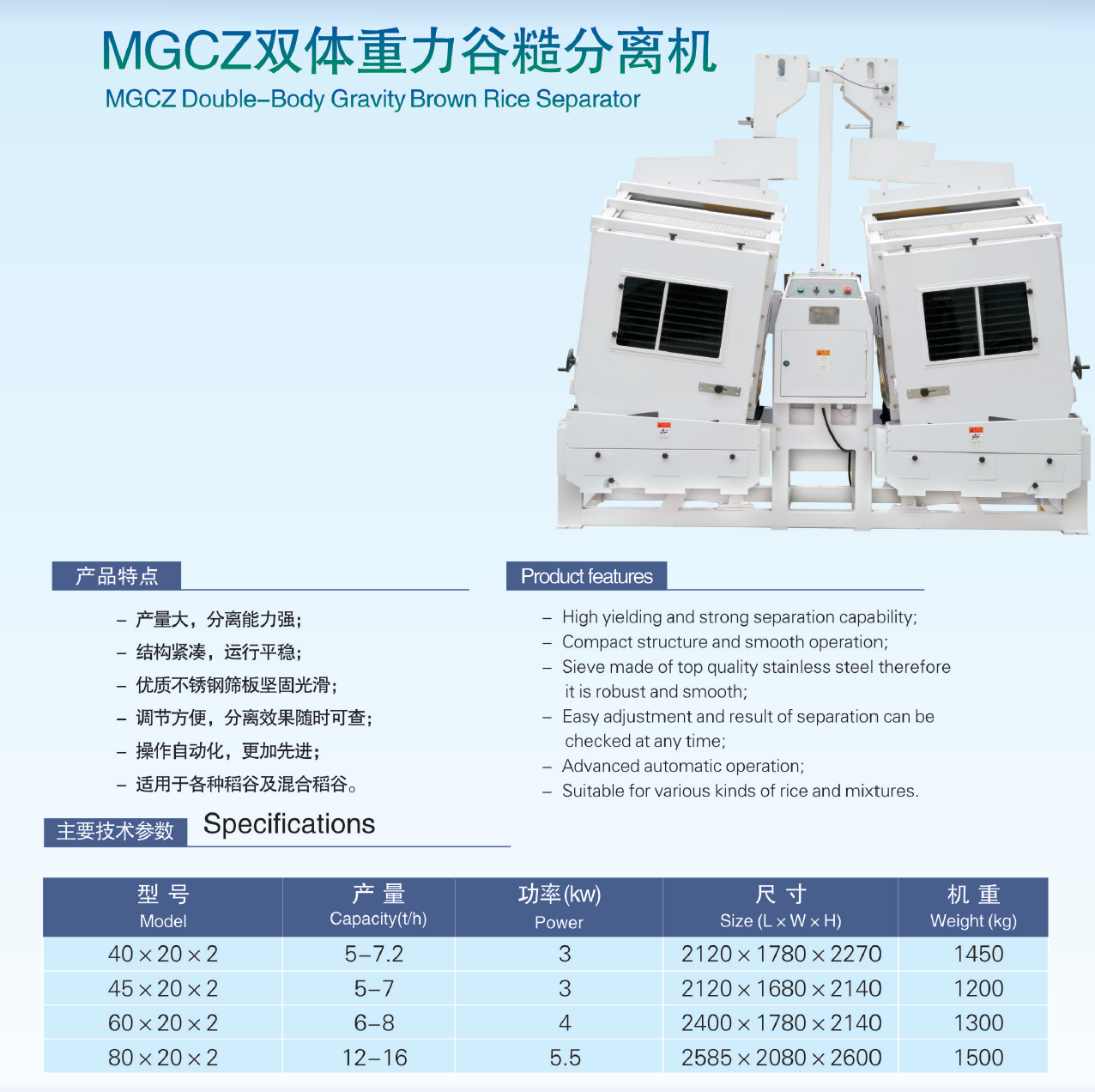
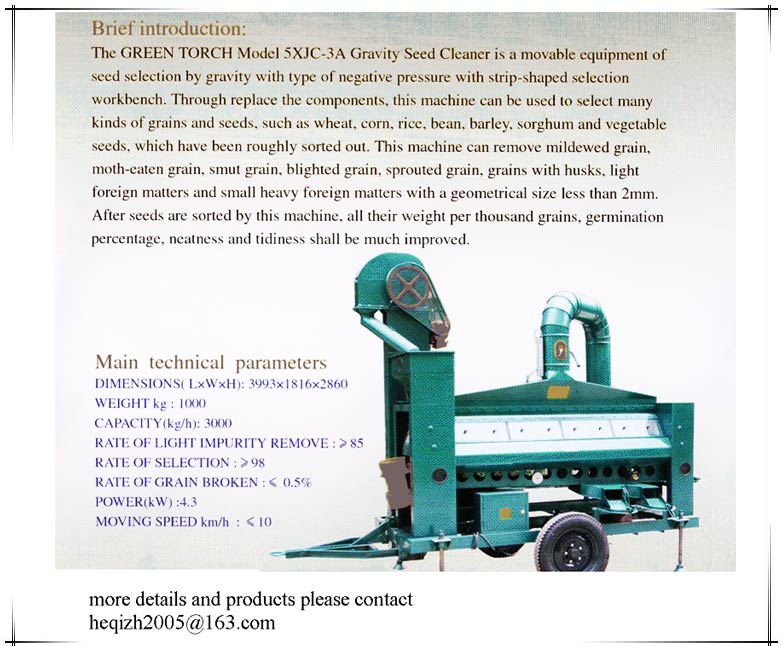
Seed Gravity Separators
Source industrial Seed Gravity Separators from vetted manufacturers and suppliers. Designed for importers, agricultural distributors, wholesalers, and OEM brands purchasing in bulk, this category features high-capacity separation equipment built to exact specific-gravity sorting tolerances. Find reliable factory partners capable of delivering robust, export-ready machinery at scale.
Sourcing seed gravity separators requires distinguishing between general sheet-metal fabricators and specialized agricultural machinery manufacturers. Because these machines rely on precise fluidization—balancing upward airflow with deck vibration to separate seeds by density—poor engineering leads to uneven air distribution, dead spots on the deck, and ultimately, unacceptable seed loss or low germination rates. When buying in volume or developing an OEM line, your focus must be on structural integrity, aerodynamic design, and component longevity.
Critical Specifications for Bulk Procurement
When negotiating with manufacturers, the specifications you dictate will determine both the machine's sorting efficiency and its lifespan. Do not accept generic "tons per hour" ratings without context; capacity is entirely dependent on the specific crop and baseline impurity levels.
Key technical parameters to define with your supplier include:
- Deck Surface Area & Material: The deck is the heart of the separator. Specify the mesh or perforation size based on the target crop (e.g., sesame requires a vastly different deck than soybeans). Stainless steel (SS304) is highly recommended for longevity, whereas mild steel will degrade rapidly in high-humidity environments.
- Airflow Management: Multiple individual fans (often 4 to 7 depending on deck length) provide better zoning control than a single large blower. Ensure each fan chamber has independent volume adjustment.
- Vibration Frequency & Amplitude: Look for eccentric shaft designs with adjustable stroke. Drive motors should be paired with Variable Frequency Drives (VFDs) for precise control over the vibration rate.
Need to identify manufacturers capable of meeting strict agricultural tolerances? We vet and qualify specialized machinery factories across Asia.
Talk to our teamManufacturing Quality & Factory Vetting
Gravity separators endure constant, heavy vibration. A poorly constructed machine will literally shake itself apart over time. When evaluating a factory's capability, look beyond the showroom and examine their fabrication floor.
| Component | Standard / Domestic Market | Export / Heavy Duty |
|---|---|---|
| Main Frame | Light-gauge, bolted assembly | Heavy-wall tubular steel, fully welded |
| Fan Rotors | Statically balanced only | Dynamically balanced to eliminate harmonic resonance |
| Bearings | Generic domestic brands | SKF, NSK, or equivalent premium bearings |
| Dust Control | Open deck or partial hood | Fully enclosed environmental hood with aspiration ports |
To verify these capabilities before placing a large order, conducting rigorous Factory Audits is essential. You need to confirm the supplier uses CNC laser cutting for precision frame alignment and has dynamic balancing equipment for the blower assemblies.
Pre-Shipment Inspection Focus Areas
Do not allow machinery to ship without a functional run-test. While you cannot always test with the exact target seed at the factory, a dry-run is critical to verify mechanical and electrical stability.
Critical Inspection Points
- Vibration analysis: Ensure the frame remains stable and vibration is isolated to the deck assembly.
- Airflow uniformity: Test the deck with an anemometer to ensure no dead zones or localized air spikes.
- Inverter/VFD function: Verify smooth frequency transitions without motor stalling or overheating.
- Deck tensioning: Check that the mesh or perforated screen is drum-tight; loose decks cause erratic seed bouncing.
- Weld inspection: Check all stress points on the eccentric drive mounts for weld penetration and lack of porosity.
Implementing professional Quality Control & Inspection prior to container loading ensures that any harmonic vibration issues or electrical faults are corrected on the factory floor, rather than at your client's processing facility.
Pricing, MOQs, and Lead Times
Because gravity separators are large, high-value capital equipment, procurement mechanics differ significantly from smaller agricultural implements.
Pricing is heavily influenced by the inclusion of environmental controls (full dust hoods), the use of VFDs versus manual dampers, and deck materials. Because these machines are bulky, freight costs are a major factor in your landed cost. Standard units can usually be loaded into 20ft or 40ft containers, but larger configurations or combined processing lines require careful Shipping & Freight planning to optimize container space and ensure the equipment is properly blocked and braced against transit damage.
Want to optimize your landed costs? We manage the entire process from price negotiation to container loading and final delivery.
Get a free consultationFrequently Asked Questions
Successful procurement of seed gravity separators relies on looking past the exterior paint job and focusing on aerodynamic engineering and vibration management. Securing a reliable manufacturing partner ensures you receive equipment that delivers consistent, high-germination seed lots for years to come.
Get Sourcing Help for Seed Gravity Separators
Tell us your requirements and our experts will connect you with verified manufacturers.