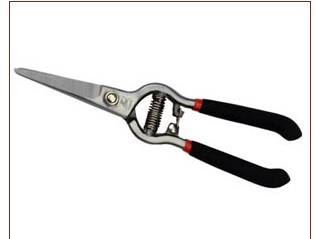
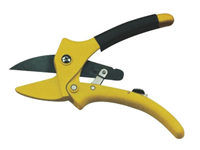
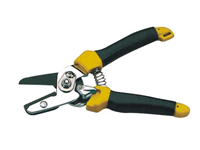
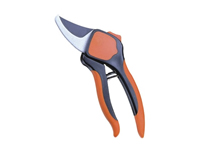
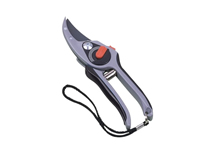
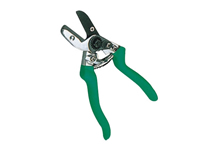
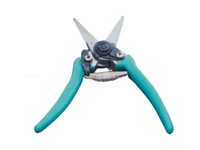
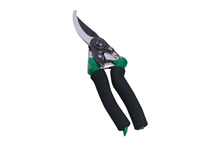
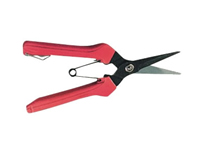
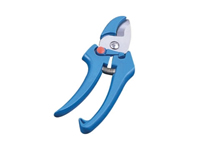
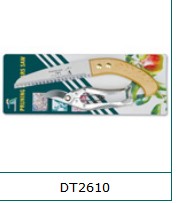
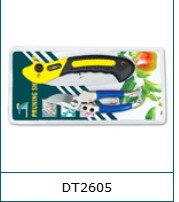
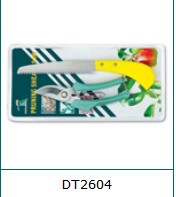
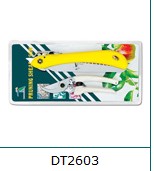
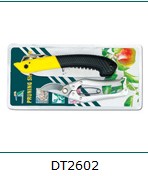
Secateurs & Pruning Scissors
Source high-quality secateurs and pruning scissors in bulk directly from vetted manufacturers and suppliers. This category is designed for importers, wholesalers, distributors, and garden tool brands seeking reliable OEM, ODM, or private-label production at scale.
Sourcing secateurs and pruning scissors at scale requires balancing blade durability, ergonomic design, and unit cost. The primary manufacturing challenge lies in achieving consistent heat treatment and precision grinding—factors that ultimately dictate edge retention and distinguish professional-grade tools from disposable consumer items.
Blade Metallurgy and Hardness Specifications
The core of any pruning shear is its blade. Specifying the right material and hardness is critical for your target market. Blades that are too soft will roll or dull quickly, while those that are too hard become brittle and prone to chipping when cutting dense, dead wood.
| Material | Characteristics | Target Market |
|---|---|---|
| 65Mn Carbon Steel | Cost-effective, acceptable edge retention, requires coating to prevent rust. | Entry-level retail, promotional garden kits |
| SK5 High Carbon Steel | Excellent hardness and edge retention, industry standard for quality shears. | Mid-range to premium retail, professional use |
| 440C Stainless Steel | High corrosion resistance, lower hardness compared to SK5, harder to sharpen. | Coastal markets, wet environment applications |
| Titanium Coated SK5 | Reduces friction and sap buildup, extends blade life. | Premium retail, professional landscaping |
The target hardness for high-carbon steel blades (like SK5) should be specified between 52 and 58 HRC. To achieve this consistently, the factory must have precise temperature controls during the quenching and tempering phases. When evaluating a new supplier, verifying their in-house heat treatment capabilities through Factory Audits is highly recommended.
Manufacturing Methods: Forged vs. Stamped
The structural integrity of the handles and the cutting mechanism depends heavily on the manufacturing process.
- Drop Forged Aluminum: The gold standard for professional secateurs. The handle and blade base are forged as a single piece or assembled with high-tensile bolts. This provides maximum strength with minimal weight.
- Stamped Steel: Used for budget-friendly models. The handles are stamped from sheet metal and often fitted with basic PVC grips.
- Die-Cast Aluminum: A middle ground offering better ergonomics than stamped steel, but lacking the ultimate tensile strength of drop forging.
Need to match a specific competitor's quality or hit a strict target price? We can help you identify the right manufacturing process and supplier.
Talk to our teamQuality Control and Defect Prevention
A beautifully designed pruning shear is useless if the bypass mechanism binds or the central pivot bolt loosens during use. Secateurs require tight assembly tolerances to ensure the cutting blade shears cleanly past the anvil blade without leaving a gap.
Implementing rigorous Quality Control & Inspection protocols is essential before shipment.
Critical Pre-Shipment Inspection Points
- Blade Alignment: Ensure zero daylight between the cutting and anvil blades during the closing stroke.
- Spring Tension: Test volute or wire springs for consistent return force over 500+ rapid compressions.
- Locking Mechanism: Verify that thumb locks engage securely and do not self-engage during cutting.
- Coating Adhesion: Perform cross-hatch testing on PTFE (Teflon) or titanium coatings to ensure they do not flake.
- Handle Ergonomics: Check TPR (Thermoplastic Rubber) overmolding for flash, peeling, or strong chemical odors.
If you are developing custom ergonomic grips or unique blade profiles, utilizing professional OEM/ODM Services ensures that your proprietary designs are protected and manufactured to exact specifications.
Buying Mechanics: MOQs, Pricing, and Lead Times
Understanding the standard commercial terms in the Chinese hardware manufacturing clusters (primarily located in Zhejiang, Guangdong, and Shandong) helps in planning your procurement cycle.
Tooling costs for custom handle molds (plastic injection or aluminum die-casting) typically range from $1,500 to $4,000, depending on complexity. Many factories will rebate this cost once cumulative order volumes reach a specific threshold (often 20,000 to 50,000 units).
Looking to consolidate orders from multiple tool factories? Let us manage the negotiations and logistics to streamline your supply chain.
Get a free consultationBuyer FAQ
Sourcing secateurs successfully comes down to specifying the right steel and verifying the factory's heat treatment and assembly tolerances. By focusing on these technical fundamentals rather than just the lowest unit price, you ensure a product that builds brand loyalty and minimizes costly retail returns.
Get Sourcing Help for Secateurs & Pruning Scissors
Tell us your requirements and our experts will connect you with verified manufacturers.