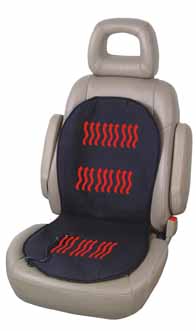
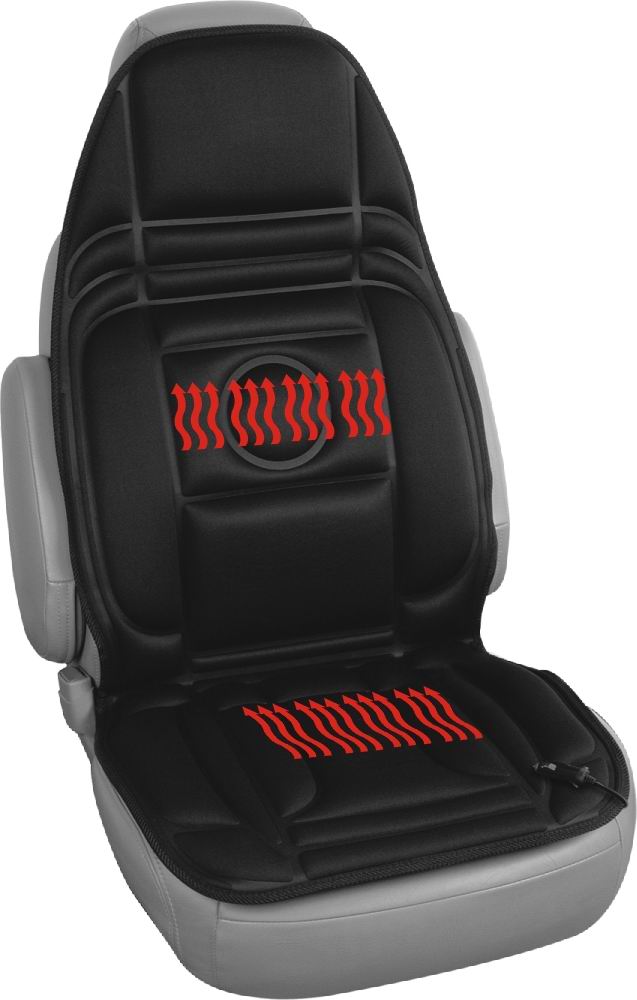
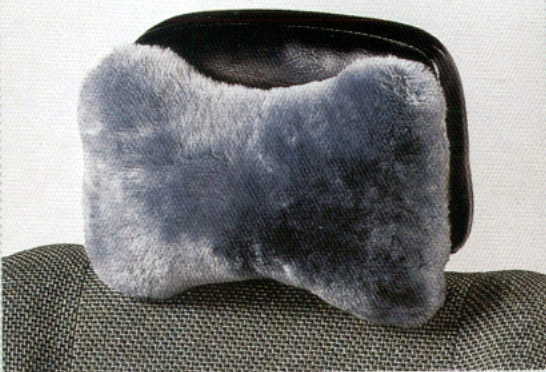
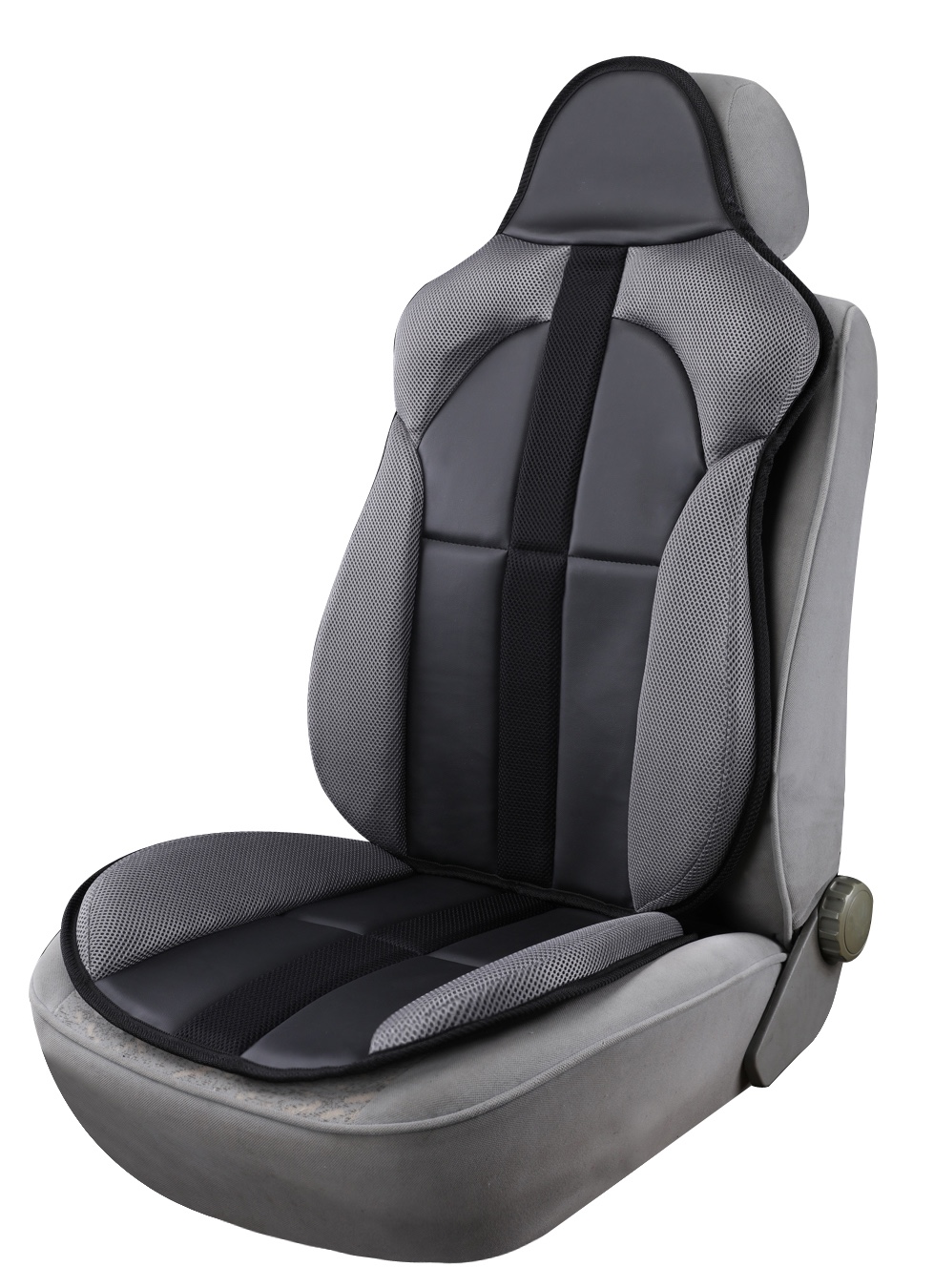
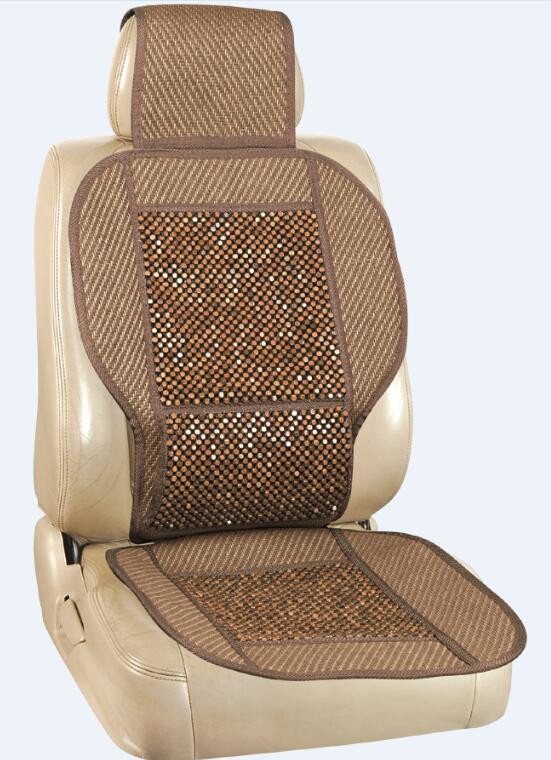
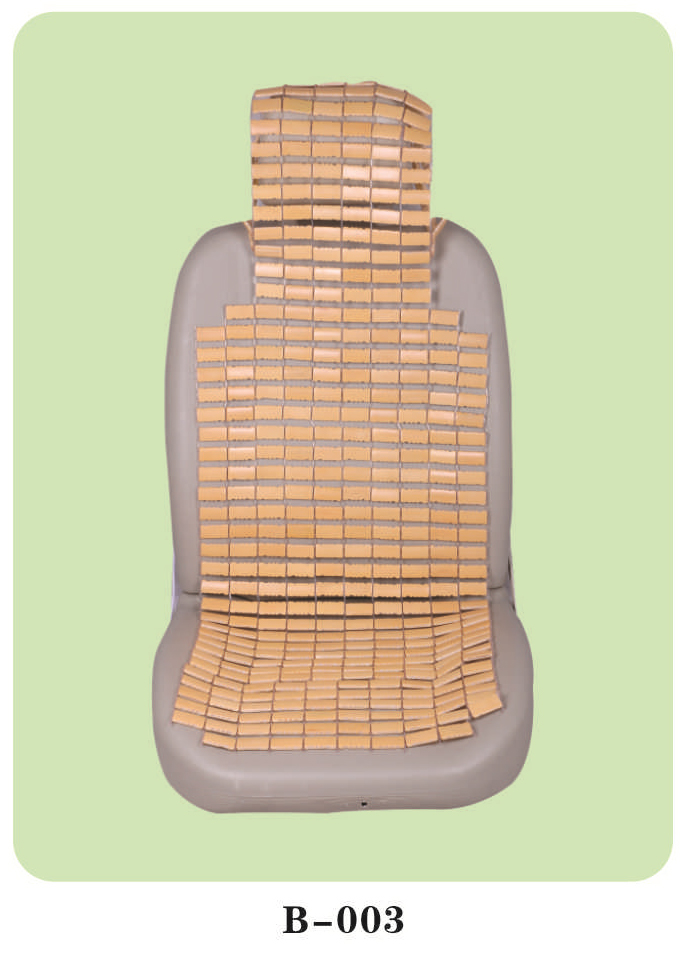
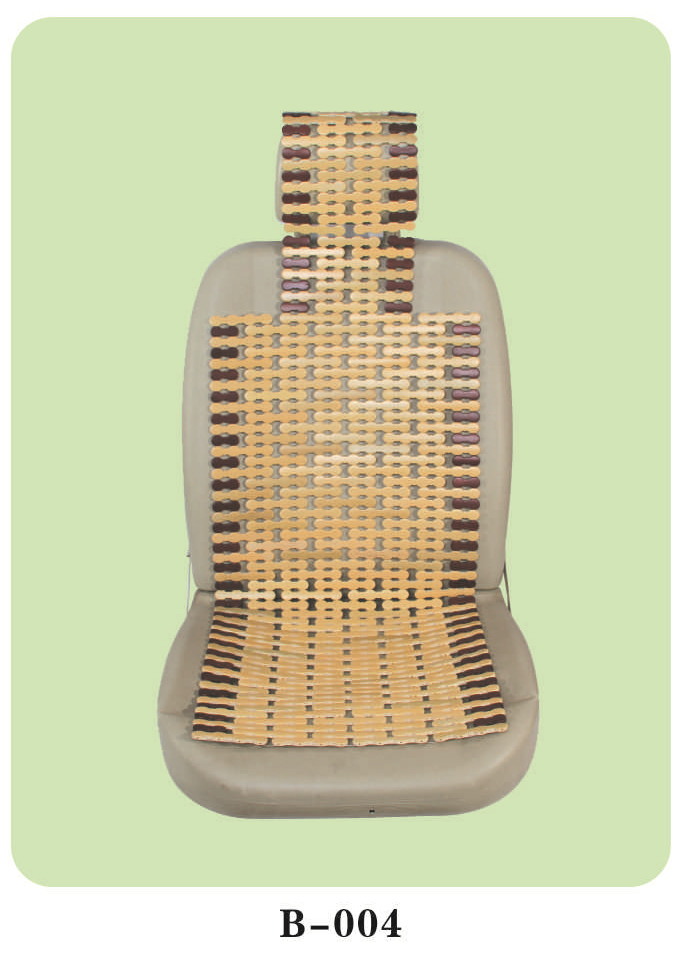
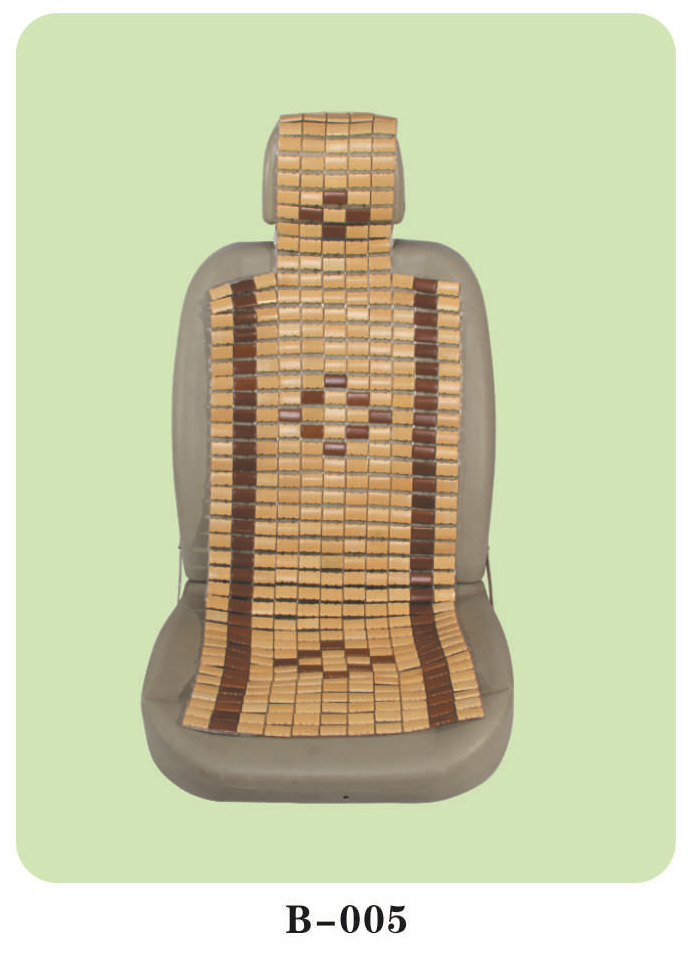
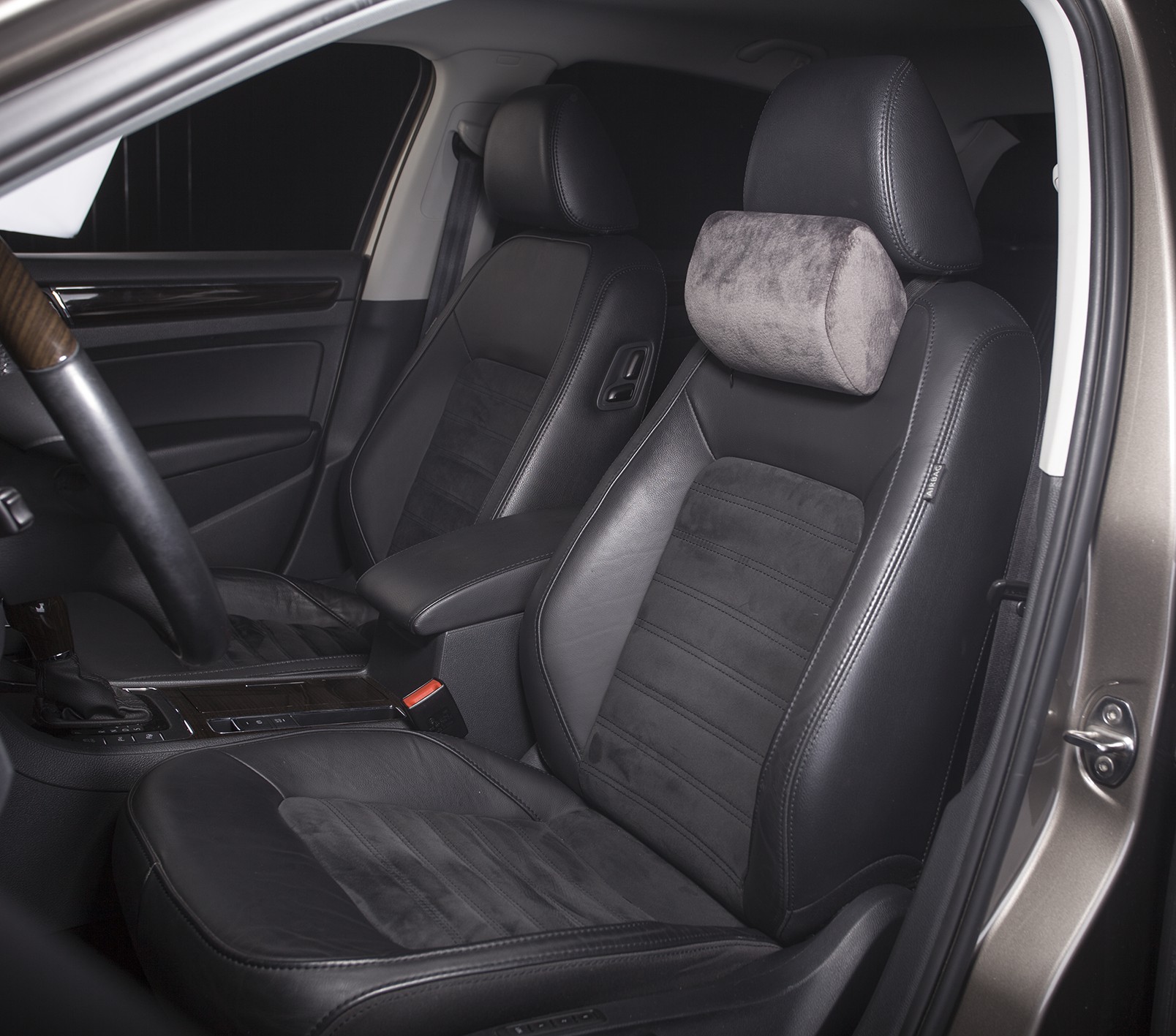
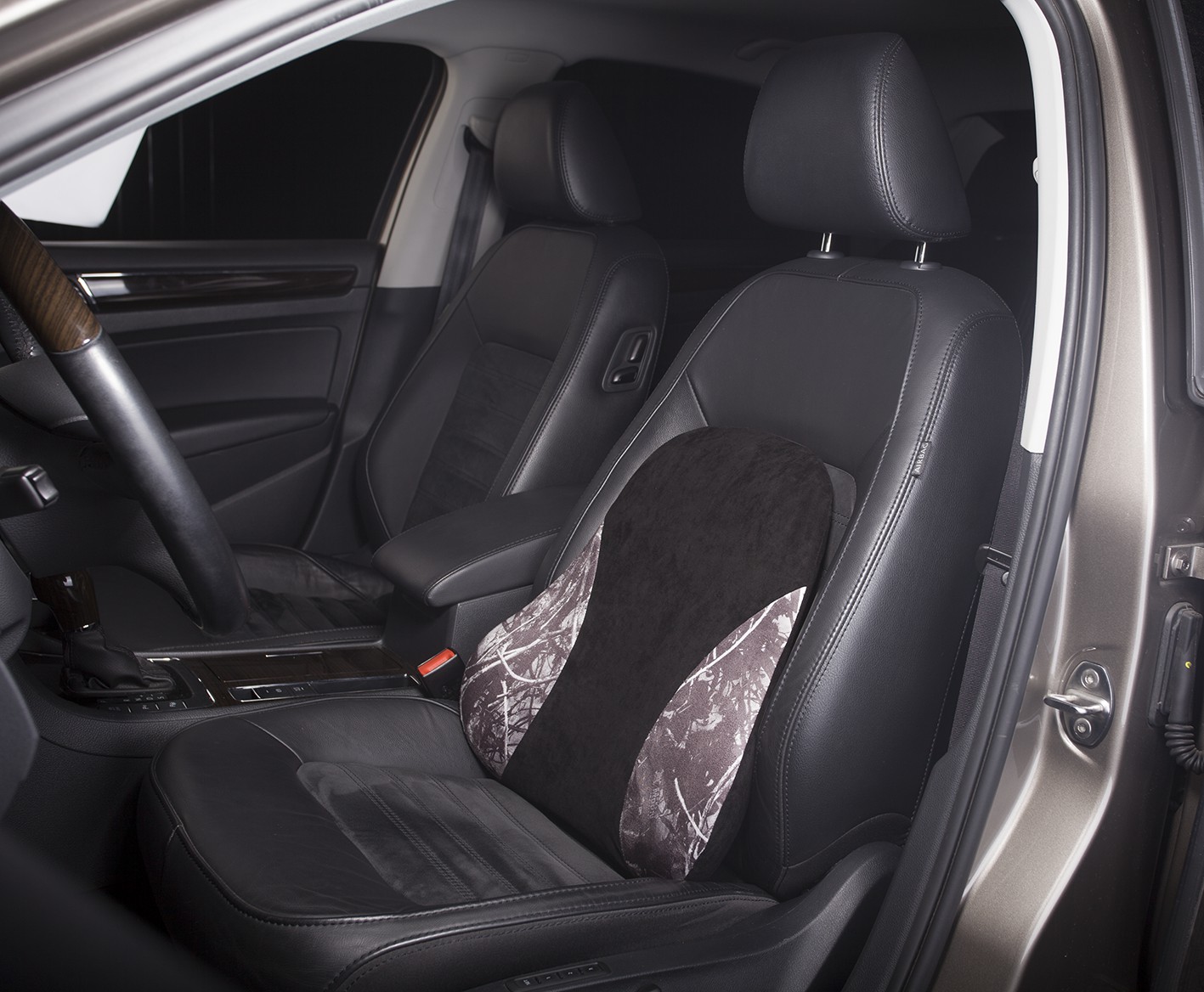
Seat Cushions & Pillows
Source premium automotive Seat Cushions & Pillows from vetted suppliers and manufacturers across Asia. Designed for automotive importers, aftermarket distributors, and brands seeking reliable OEM and private-label production. Secure competitive wholesale pricing on bulk orders with verified factory partners.
Sourcing automotive seat cushions and pillows at scale requires balancing ergonomic performance with interior-grade durability. The primary challenge lies in specifying the right core materials—specifically foam density and rebound rates—while ensuring the outer covers can withstand constant friction, UV exposure, and severe temperature fluctuations without degrading.
For high-volume buyers, the difference between a premium product and a high-return liability is won or lost in the technical specifications provided to the factory before the first prototype is ever poured.
Core Specifications: Foam Density and Molding
The foundation of any automotive cushion is its foam core. Suppliers typically offer either cut foam (cheaper, prone to losing shape) or injection-molded foam (higher initial tooling cost, superior dimensional stability). When specifying memory foam (viscoelastic polyurethane), density is the critical metric.
Density is measured in kilograms per cubic meter (kg/m³). A higher density does not necessarily mean a firmer pillow; it dictates the material's durability and ability to return to its original shape over thousands of use cycles.
| Foam Type | Typical Density Range | Rebound Characteristics | Best Application |
|---|---|---|---|
| Standard Memory Foam | 40 to 50 kg/m³ | Slow recovery (3-5 seconds) | Neck pillows, light support |
| High-Density Memory Foam | 55 to 65 kg/m³ | Moderate recovery (2-4 seconds) | Lumbar support, seat bases |
| High-Resilience (HR) Foam | 35 to 45 kg/m³ | Instant recovery | Wedge cushions, heavy-duty seating |
When working with factories on custom ergonomic shapes, you will need to open new molds. Ensuring the factory has tight control over the chemical mixing process during injection molding prevents air pockets (voids) that compromise the cushion's structural integrity.
Navigating foam specifications and tooling costs? We help buyers identify factories with advanced injection-molding capabilities.
Talk to our teamCover Materials and Manufacturing Tolerances
The outer cover is the primary touchpoint and the first component to fail if improperly specified. Automotive environments are harsh; temperatures in a parked car can exceed 60°C (140°F), accelerating the degradation of synthetic materials.
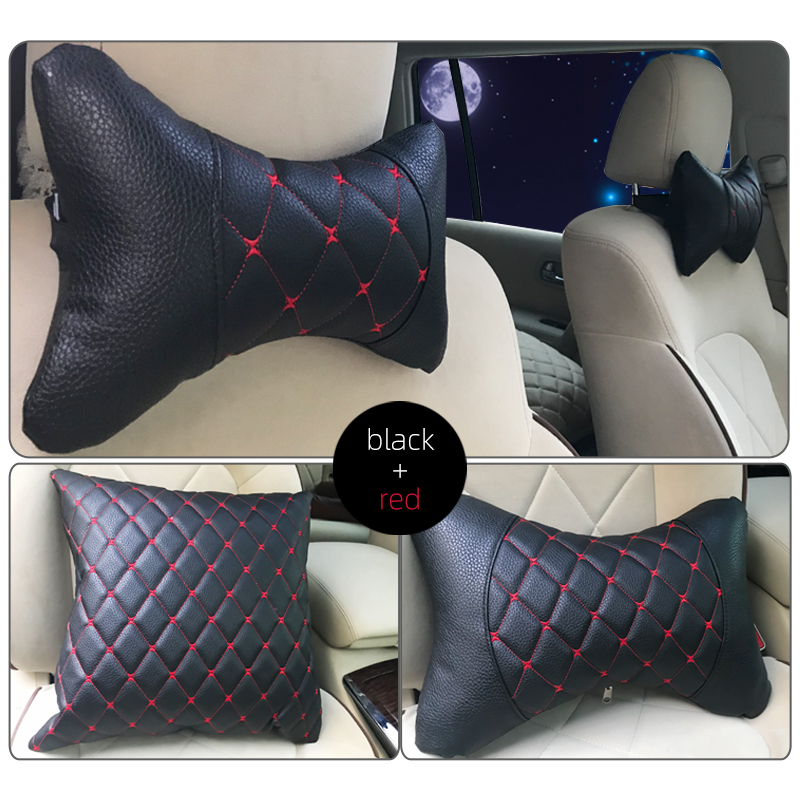
- PU Leather: Standard PU will crack under high heat and UV exposure. You must specify hydrolysis-resistant PU and request UV-stabilizer additives.
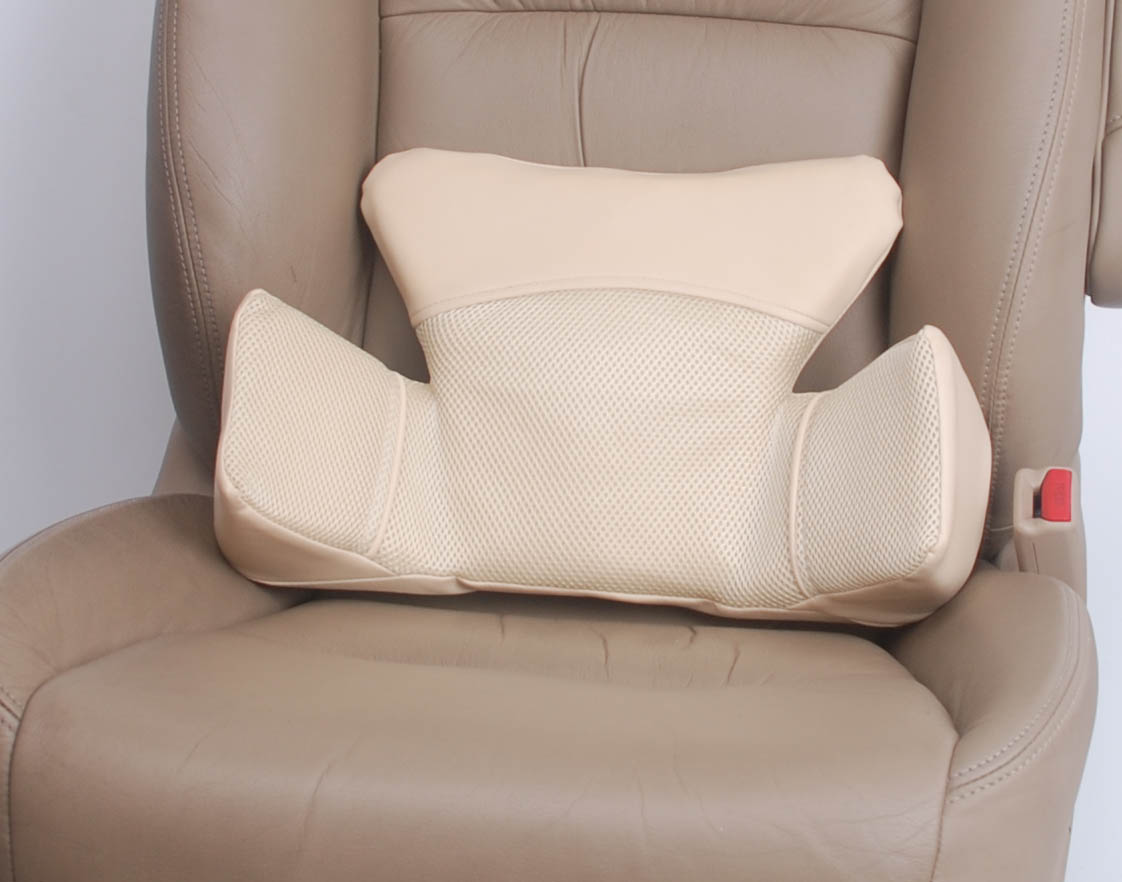
- Breathable Mesh (3D Spacer Fabric): Excellent for seat bases to prevent sweating. Specify the GSM (grams per square meter) to ensure tear resistance.
- Hardware: Zippers must be hidden or covered by a fabric welt. Exposed metal or hard plastic zippers will scratch the vehicle's original leather or upholstery.
Catching material defects requires rigorous quality control & inspection during the cut-and-sew phase, long before the covers are slipped over the foam cores.
Critical Pre-Shipment Inspection Points
- Foam recovery test: Compress foam by 50% for 60 seconds; measure time to full recovery.
- Zipper stress test: Cycle zippers 50 times under moderate lateral tension.
- Seam burst strength: Inspect stitching density (SPI - stitches per inch) on load-bearing seams.
- Colorfastness check: Rub test (wet and dry) to ensure dye does not transfer to vehicle seats.
Compliance and Safety Standards
Automotive interior accessories face stricter regulatory scrutiny than standard home bedding. The most critical compliance area is flammability. Products entering the US market often need to meet FMVSS 302 (Federal Motor Vehicle Safety Standard), which dictates the burn rate of materials used in the occupant compartment.
Additionally, memory foam can suffer from severe VOC (Volatile Organic Compound) off-gassing. Buyers importing to the EU must ensure chemical compliance with REACH regulations. Coordinating proper compliance & testing with certified third-party labs is a mandatory step before mass production begins.
Pricing, MOQs, and Production Realities
Pricing for automotive cushions is highly dependent on foam weight, cover material grade, and whether you are utilizing OEM/ODM services for a proprietary design.
Factories will often lower MOQs if you select from their catalog of "open molds" and only customize the outer cover, embroidery, or packaging. However, if you are developing a highly specific ergonomic profile, investing in a custom mold is unavoidable.
Ready to optimize your landed costs? Let's review your product specs and find the right manufacturing partner.
Get a free consultationFrequently Asked Questions
Sourcing reliable automotive seat cushions requires a strict approach to material science and factory capabilities. By setting clear parameters for foam density, cover durability, and safety compliance upfront, buyers can avoid the high return rates that plague poorly specified interior accessories.
Get Sourcing Help for Seat Cushions & Pillows
Tell us your requirements and our experts will connect you with verified manufacturers.