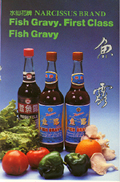
Seafood Condiment
Source premium wholesale Seafood Condiment from vetted suppliers and manufacturers across Asia. Designed for food distributors, importers, and brands seeking reliable private-label OEM production, our network delivers consistent quality, scalable volumes, and full regulatory compliance for your market.
Sourcing seafood condiments—such as fish sauce, oyster extract sauces, and shrimp pastes—at a commercial scale requires strict control over fermentation consistency, raw material authenticity, and microbiological safety. For bulk importers and private-label brands, the primary challenge lies in balancing precise flavor profiles with stringent international food safety regulations. Relying on generic flavor descriptions is a fast track to inconsistent batches; successful procurement demands exact physiochemical specifications and rigorous factory oversight.
Defining Technical Specifications
When negotiating formulations with a manufacturer, you must define the product using measurable metrics. The quality and pricing of seafood condiments are directly tied to the concentration of raw marine proteins and the resulting amino acid profile.
| Parameter | Standard Grade | Premium Grade |
|---|---|---|
| Total Nitrogen (g/L) | 10 - 15 | Over 20 |
| Amino Acid Nitrogen | 0.6 - 0.9 g/100ml | 1.2+ g/100ml |
| Salinity (NaCl %) | 22% - 25% | 20% - 22% |
| Brix (for sweet/thick sauces) | 15 - 25 | 25 - 35 |
Viscosity and Fillers
For viscous products like oyster-style or abalone sauces, factories may increase the ratio of modified corn starch or xanthan gum to reduce raw material costs. Always specify the minimum seafood extract percentage (e.g., minimum 11% oyster extract) in your purchase contract to prevent formulation dilution.
Manufacturing Control Points
The production of fermented or extracted seafood condiments carries inherent biological risks. Consistent umami flavor and safe consumption rely on highly controlled processing environments. Verifying a supplier's capability often requires comprehensive factory audits to ensure their HACCP and GMP systems are actively functioning, not just certified on paper.
Raw Material Intake
Freshness is critical. Factories must test incoming catch for Total Volatile Basic Nitrogen (TVB-N) and histamine levels before processing to prevent toxic accumulation.
Fermentation & Hydrolysis
Temperature and time control during fermentation (which can last 6 to 18 months for premium fish sauces) dictates the breakdown of proteins into flavor-enhancing amino acids.
Filtration & Clarification
Industrial centrifuges and micro-filtration systems remove suspended solids, ensuring a clear liquid free of sediment that could cause secondary fermentation in the bottle.
Pasteurization
Flash pasteurization (UHT) eliminates microbial loads without destroying the delicate volatile compounds that give the condiment its aroma.
Need to match a specific flavor profile or verify a supplier's food safety credentials? Merhein handles supplier vetting and custom formulation.
Talk to our teamCompliance and Laboratory Testing
Seafood products face the highest level of scrutiny at customs. The FDA (under FSMA regulations) and EU authorities have zero tolerance for specific contaminants in marine-derived condiments.
You must mandate pre-shipment compliance testing through accredited third-party laboratories (like SGS or Eurofins). Critical test parameters include:
- Histamine: Must remain under 50 ppm for most Western markets. High histamine indicates temperature abuse of the raw fish.
- Heavy Metals: Strict limits on Lead (Pb), Cadmium (Cd), Arsenic (As), and Mercury (Hg).
- Pathogens: Absence of Salmonella, E. coli, and Staphylococcus aureus.
- Adulteration: Testing for illegal artificial colorants (e.g., Sudan Red) or unapproved preservatives.
Packaging, MOQs, and Pricing Drivers
Order volumes and pricing structures vary significantly based on your packaging requirements and formulation complexity. Off-the-shelf formulations packed in bulk containers offer the lowest barrier to entry, while custom OEM/ODM services for retail-ready private labels require higher initial commitments to cover custom printed packaging and line changeovers.
Looking to scale your private-label condiment line or secure reliable bulk supply? Let's discuss your volume and packaging needs.
Get a free consultationFrequently Asked Questions
Securing a reliable supply of commercial seafood condiments means moving beyond taste tests and focusing heavily on biochemical consistency, supply chain traceability, and rigorous quality control. By defining exact nitrogen levels, enforcing strict microbiological testing, and partnering with verified facilities, buyers can protect their brand and ensure seamless customs clearance.
Get Sourcing Help for Seafood Condiment
Tell us your requirements and our experts will connect you with verified manufacturers.