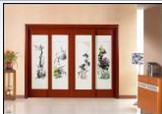
Screens & Room Dividers
Source high-quality Screens & Room Dividers from vetted manufacturers and suppliers. Designed for importers, wholesalers, distributors, and brands seeking reliable OEM and private-label production, our network delivers bulk manufacturing with strict quality control, ensuring structural stability, premium finishes, and scalable volume.
Sourcing room dividers at scale requires balancing aesthetic trends with rigorous structural requirements. Whether you are importing decorative wooden screens, industrial metal partitions, or commercial acoustic dividers, the core challenges remain the same: ensuring hinge durability, preventing tip-over hazards, and optimizing packaging for freight density. Relying on a factory's standard specifications without verifying their engineering tolerances often leads to high defect rates and inflated shipping costs.
Material Specifications and Production Engineering
The base material dictates not only the product's market positioning but also the specific manufacturing risks you must manage on the factory floor. Specifying exact material grades and finish requirements in your purchase order is critical.
| Material Type | Primary Manufacturing Process | Key Sourcing Risk |
|---|---|---|
| MDF & Engineered Wood | CNC routing, edge banding | Veneer delamination, warping in transit |
| Steel & Aluminum | Tube bending, welding, powder coating | Weak weld joints, inconsistent coating thickness |
| PET Acoustic Felt | Heat pressing, die-cutting | Inconsistent density, failure to meet fire codes |
| Rattan & Wicker | Hand-weaving, steam bending | Moisture retention leading to mold, loose weaves |
When working with wood and MDF panels, moisture content must be strictly controlled. Factories in humid regions must kiln-dry solid wood to a moisture content of 8 to 12 percent before sealing, otherwise, the panels will warp when shipped to drier climates.
Quality Control: The Hinge and Stability Challenge
A room divider is only as reliable as its hardware and its center of gravity. Most structural failures occur at the hinge points or due to poor weight distribution that causes the unit to tip over easily.
Implementing rigorous Quality Control & Inspection protocols is essential before the goods are packaged.
Critical QC Checkpoints for Room Dividers
- Hinge Cycle Testing: Verify two-way hinges can withstand at least 10,000 open/close cycles without sagging.
- Flush Folding Tolerance: Ensure panels fold completely flat against each other; gaps indicate misaligned hardware.
- Tip-Over Angle: Test the minimum angle required to tip the screen when positioned in a standard zig-zag formation.
- Finish Adhesion: Perform cross-hatch adhesion tests on painted or powder-coated metal frames.
- Moisture Content: Use a moisture meter on wood components to ensure compliance with destination climate requirements.
Struggling with inconsistent hinge alignment or unacceptable defect rates? Let our engineers standardize your production and manage on-site QC.
Talk to our teamBefore committing to a high-volume order, especially for complex CNC-routed or woven designs, conducting thorough Factory Audits ensures the supplier has the necessary automated machinery and climate-controlled storage facilities to execute your specifications consistently.
OEM/ODM Customization Capabilities
For brands looking to differentiate their catalog, custom designs are highly achievable. Most specialized factories offer robust OEM/ODM Services, allowing you to modify panel dimensions, routing patterns, and hardware finishes.
When developing a custom CNC pattern for wood or metal screens, pay attention to the "web thickness"—the narrowest part of the cut-out design. If the web is too thin, the panel becomes fragile and prone to snapping during transit. A standard minimum web thickness of 15mm is recommended for MDF, though this varies based on the material density.
Production Metrics and Freight Optimization
Room dividers are inherently bulky. If not engineered for efficient packaging, you will end up paying to ship empty air.
Pre-assembled screens must utilize tight accordion folding to minimize carton depth. Alternatively, designing screens as flat-pack units requiring minor assembly by the end-user can drastically reduce volumetric weight. Coordinating these packaging details with your Shipping & Freight strategy early in the product development phase is vital for maintaining healthy profit margins.
Need to optimize your packaging to reduce freight costs per unit? We can help redesign your shipping strategy and consolidate your supply chain.
Get a free consultationFrequently Asked Questions
Successfully sourcing screens and room dividers requires moving beyond mere aesthetic selection. By controlling material specifications, enforcing strict hardware tolerances, and engineering your packaging for maximum container yield, you can build a highly profitable and scalable product line. Expert oversight on the factory floor ensures these critical details are never left to chance.
Get Sourcing Help for Screens & Room Dividers
Tell us your requirements and our experts will connect you with verified manufacturers.