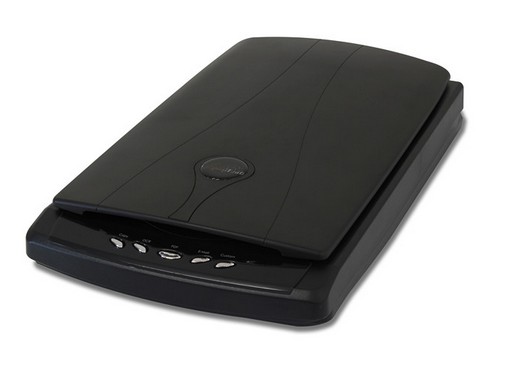
Scanners
Source high-quality scanners from vetted manufacturers and wholesale suppliers across Asia. Built for importers, electronics distributors, and brands seeking OEM production, our network delivers reliable document and specialized scanning hardware at scale.
Sourcing commercial and consumer scanners requires strict attention to optical components, data processing speeds, and software integration. The core challenge in bulk procurement is balancing sensor quality with reliable paper-handling mechanisms, all while ensuring seamless driver compatibility across evolving operating systems.
Sensor Technology: CIS vs. CCD
The optical sensor is the most expensive and critical component in any scanner. Your choice between CIS (Contact Image Sensor) and CCD (Charge-Coupled Device) dictates the product's form factor, power requirements, and target market. Document-heavy applications generally favor CIS for its compact size, while graphics or photo-oriented markets demand the depth of field provided by CCD.
| Sensor Technology | Depth of Field | Power Draw | Primary Application |
|---|---|---|---|
| CIS (Contact Image Sensor) | Limited | Low (USB-powered possible) | Standard document processing |
| CCD (Charge-Coupled Device) | High | High (Requires dedicated power) | High-resolution graphics & photos |
Beyond the sensor, you must specify the true optical resolution (DPI) rather than the interpolated resolution, which factories often highlight in marketing materials. For standard document processing, 600 DPI is sufficient, but 1200 to 4800 DPI is necessary for specialized applications.
Need help identifying the right optical specifications and capable factories for your scanner line?
Talk to our teamMechanical Reliability and Paper Handling
For sheet-fed and Automatic Document Feeder (ADF) scanners, the mechanical paper-handling system is where cheap units fail. Poorly calibrated separation rollers and feed mechanisms lead to multi-feeds, skewing, and jamming.
When evaluating a manufacturer's prototypes, scrutinize the durability of the pickup rollers and the presence of ultrasonic double-feed detection. Because mechanical defects are difficult to spot visually, implementing rigorous Quality Control & Inspection during production is essential. In-line testing should verify the ADF mechanism's MTBF (Mean Time Between Failures) and roller lifespan.
Critical Factory QC Checks for Scanners
- Ultrasonic multi-feed detection accuracy
- Roller durability and replacement ease
- Light source calibration (LED array consistency)
- Firmware stability during high-volume batch scanning
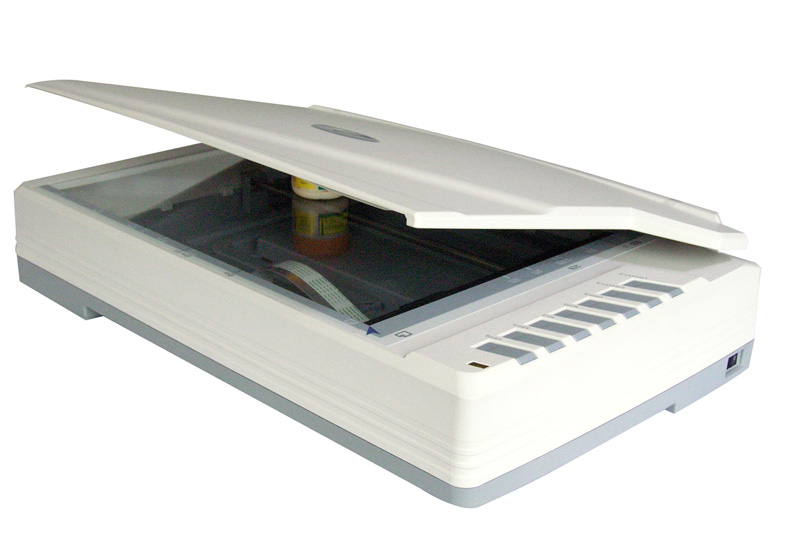
- Glass platen alignment and dust-free assembly verification
OEM/ODM Customization and Software Integration
Hardware is only half the product; driver stability dictates the user experience. Most top-tier manufacturers offer standard TWAIN and WIA drivers, but if you are targeting specific enterprise environments or macOS users, you will need custom driver development.
When utilizing OEM/ODM Services for a private-label line, ensure the factory has an in-house software team capable of maintaining driver updates. Relying on third-party software houses for driver maintenance often leads to compatibility issues when operating systems update.
Production Economics: Pricing, MOQs, and Lead Times
Scanner manufacturing is concentrated in specific electronics hubs, primarily in Southern China (Shenzhen and Dongguan) and Taiwan. Minimum Order Quantities (MOQs) depend heavily on the level of customization. Off-the-shelf white-label units require lower commitments, while custom tooling for unique form factors drives MOQs up significantly.
Pricing is driven by the sensor type, ADF capacity, duplex scanning capabilities, and connectivity options (Wi-Fi/Ethernet vs. standard USB). Additionally, electrical safety and emissions certifications are mandatory. Ensure your supplier's quotes include the costs for Compliance & Testing such as CE, FCC, RoHS, and Energy Star, as retroactively certifying a non-compliant scanner is prohibitively expensive.
Ensure your scanner production meets all technical specs and compliance standards.
Get a free consultationFrequently Asked Questions
Successfully importing scanners requires looking past the spec sheet and validating the supplier's mechanical engineering and software capabilities. A thorough Factory Audit evaluating their cleanroom assembly and software QA processes is the most reliable way to secure a stable supply chain for your electronics brand.
Get Sourcing Help for Scanners
Tell us your requirements and our experts will connect you with verified manufacturers.