Scale
Source electronic scales directly from vetted manufacturers and suppliers. Designed for volume importers, wholesalers, distributors, and brands seeking reliable OEM and private-label production, this category covers precision weighing technology. Find scalable manufacturing partners capable of meeting strict accuracy and compliance standards.
Sourcing digital scales in volume requires a strict focus on sensor accuracy, component stability, and manufacturing consistency. The difference between a reliable product and a high-return liability lies deep in the bill of materials (BOM) and the factory’s calibration processes. When buying in bulk, specifying the right load cells, microcontrollers, and platform materials is critical to ensuring long-term performance and minimizing measurement drift.
Core Components and Specifications
The heart of any electronic scale is the strain gauge load cell paired with an Analog-to-Digital (AD) converter. Buyers must dictate the exact performance parameters to prevent factories from substituting cheaper, high-drift alternatives during production.
Load Cell Architecture
The physical arrangement of the load cells dictates the scale's structural design and its susceptibility to corner-load errors (where the weight reads differently depending on where the object is placed).
| Architecture | Typical Application | Primary Sourcing Challenge |
|---|---|---|
| Single-Point Load Cell | Bench, retail, and precision scales | Requires rigid platform construction to prevent corner errors |
| Four-Point Load Cell | Floor and body weight scales | Requires precise matching of all four sensors for accurate summing |
The AD Converter and MCU
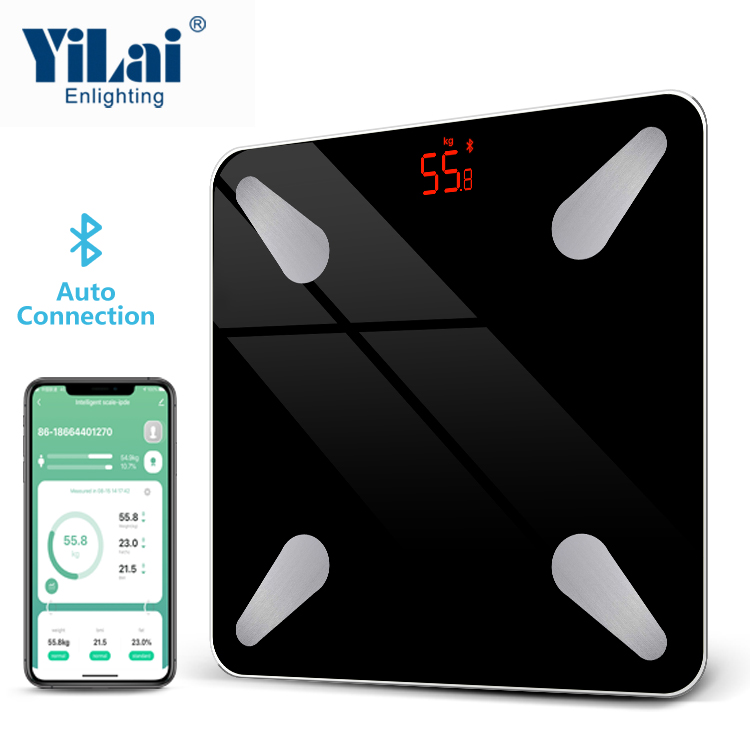
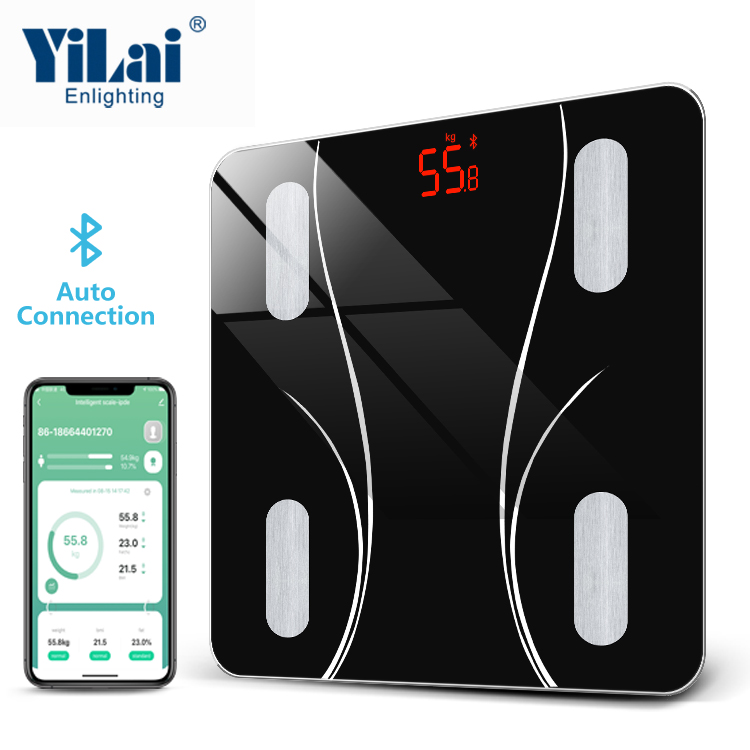
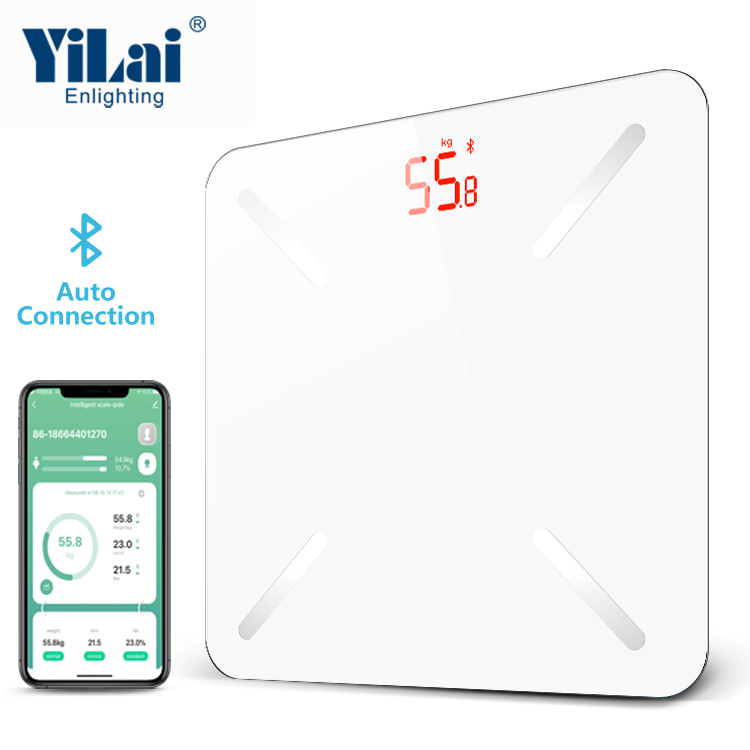
The resolution of the AD converter determines the scale's internal division capability. A standard consumer scale might use an 18-bit or 20-bit ADC, while precision equipment requires 24-bit ADCs. The Microcontroller Unit (MCU) processes this data; cheap MCUs often result in a "laggy" display response or excessive battery drain. If you are sourcing smart scales, the MCU must also efficiently handle the Bluetooth or Wi-Fi module (often using off-the-shelf IoT solutions like Tuya) without compromising the primary weighing function.
Need help verifying a factory's BOM and component sourcing capabilities?
Talk to our teamManufacturing and Quality Control Vulnerabilities
Electronic scales are highly sensitive to manufacturing environments. A factory’s assembly line and testing protocols tell you everything you need to know about their output quality.
Critical Factory-Level Checks
- Multi-Point Calibration: Ensure the factory calibrates at zero, mid-point, and full capacity, not just a single reference weight.
- Temperature Compensation: Load cells drift with temperature changes. Verify the factory tests batches in environmental chambers.
- Creep Testing: Applying a static load for 30 minutes to ensure the reading does not drift over time.
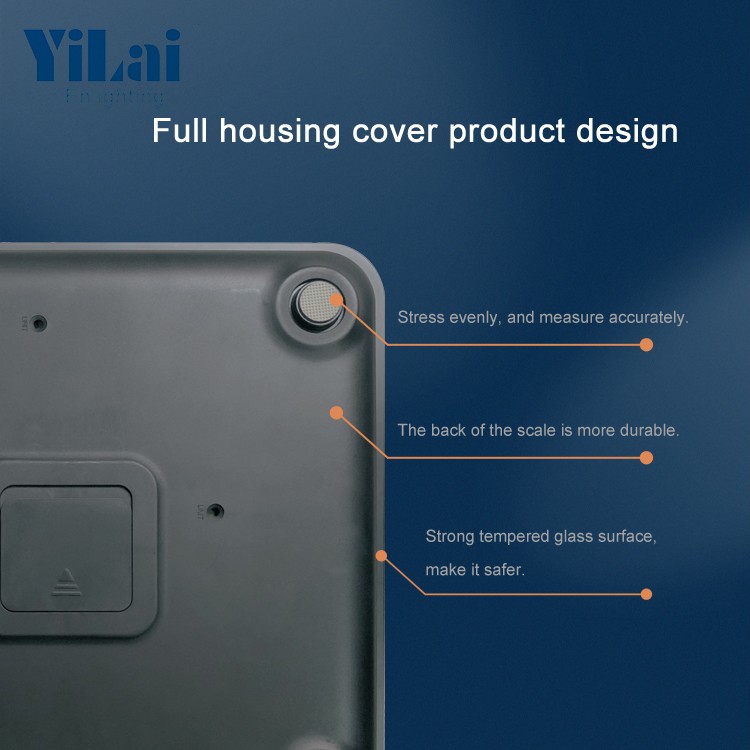
- Glass Tempering Verification: For glass platforms, verify the tempering process to ensure the glass shatters safely into blunt pebbles, not dangerous shards.
Catching calibration errors after the goods have shipped is a costly mistake. Implementing robust Quality Control & Inspection protocols before shipment is essential, specifically requiring inspectors to test corner loads, repeatability, and linearity using certified F1 or M1 test weights.
Customization and OEM/ODM Integration
Most scale manufacturers operate on an OEM/ODM model. While buying off-the-shelf white-label designs is faster, brands often require customization to stand out.
When utilizing OEM/ODM Services, the most common modifications include custom silk-screen printing on the glass, proprietary LED display layouts, and custom firmware for smart connectivity. Be aware that custom firmware requires rigorous beta testing to ensure seamless pairing with iOS and Android applications. Furthermore, if you are selling into regulated markets, you must ensure the final custom product undergoes proper Compliance & Testing (such as FCC for wireless modules, or CE/RoHS for the European market).
Typical MOQs, Pricing, and Lead Times
Scale manufacturing is highly automated, which drives down unit costs but generally requires higher minimum order quantities to justify production runs.
Pricing is heavily dependent on the capacity, the resolution, and the platform material. A standard 180kg body scale with 6mm tempered glass and a basic LCD will cost significantly less than a scale featuring ITO (Indium Tin Oxide) coating for bioelectrical impedance analysis (BIA).
Looking to negotiate better pricing and terms with top-tier scale manufacturers?
Get a free consultationBuyer FAQ
Successfully sourcing digital scales requires looking past the external design and scrutinizing the internal sensor architecture and factory calibration standards. By holding suppliers to strict performance tolerances and verifying their quality control processes, you can secure reliable products that protect your brand's reputation.
Get Sourcing Help for Scale
Tell us your requirements and our experts will connect you with verified manufacturers.