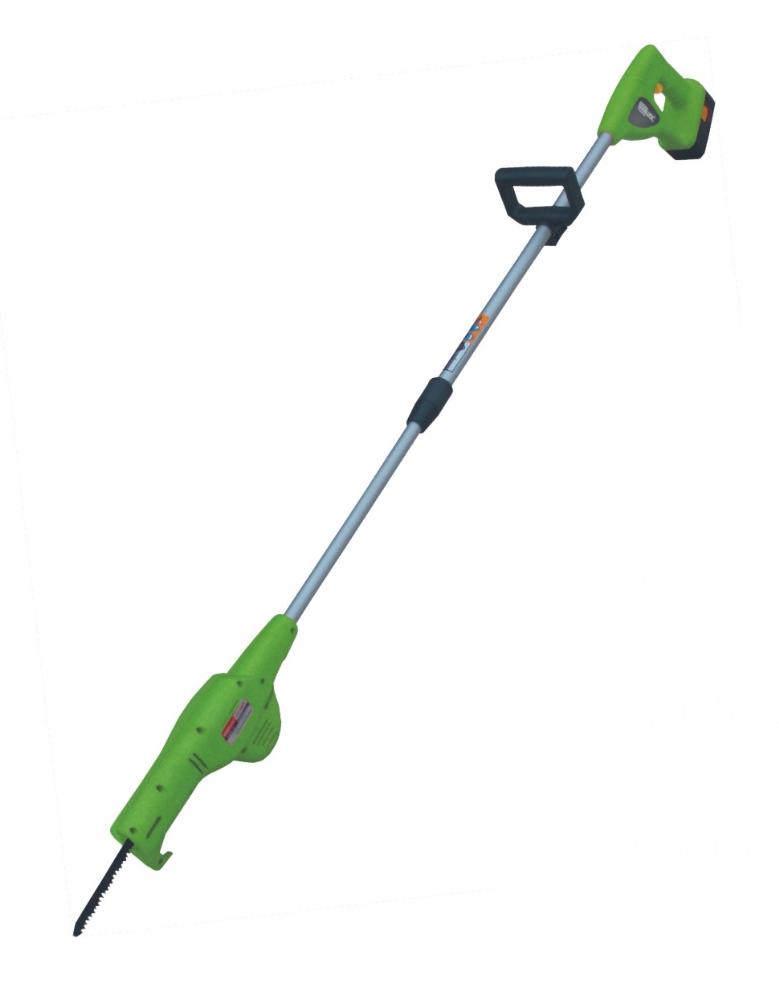
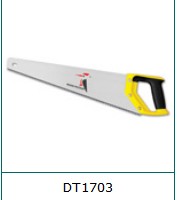
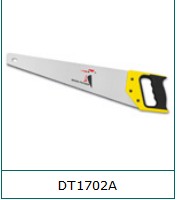
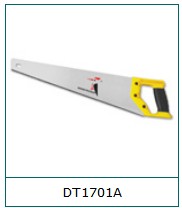
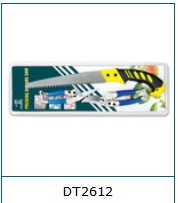
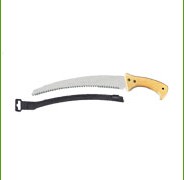
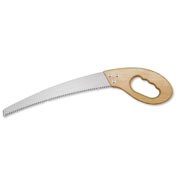
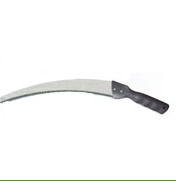
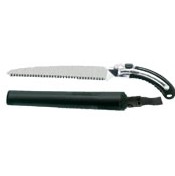
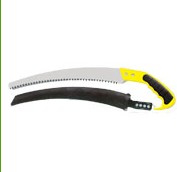
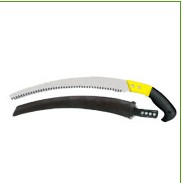
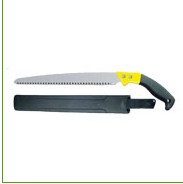
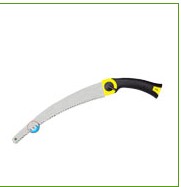
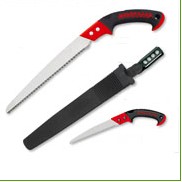
Saws
Source high-quality garden saws directly from vetted manufacturers and suppliers. Designed for importers, wholesale distributors, and brands requiring OEM or private-label production, our network delivers reliable cutting tools built for volume buyers. Secure competitive bulk pricing, stringent quality control, and scalable manufacturing capacity.
Sourcing garden saws in bulk requires balancing blade durability with ergonomic design and cost efficiency. While many hardware manufacturers can stamp out basic steel profiles, producing saws that maintain edge retention and resist snapping under heavy loads demands precise heat treatment, advanced grinding capabilities, and strict metallurgical control. For volume buyers, selecting the right factory means evaluating their capacity for impulse hardening, precision grinding, and consistent injection molding.
Blade Metallurgy and Edge Geometry
The core of any professional-grade saw is its steel composition and the geometry of its teeth. Most reputable manufacturers in major tool-producing regions utilize high-carbon steels, but the specific grade and treatment dictate the tool's lifespan and market positioning.
The two most common materials encountered in bulk production are 65Mn and SK5 steel.
| Material Grade | Typical Application | Hardness & Retention | Cost Profile |
|---|---|---|---|
| 65Mn High-Carbon Steel | Entry-level to mid-range retail | Good flexibility, moderate edge retention | Highly cost-effective |
| SK5 (Japanese Tool Steel) | Professional & premium ranges | Excellent hardness, superior edge retention | Premium material cost |
Beyond the raw material, the manufacturing process defines the cut quality. High-end factories utilize CNC grinding machines to create 3-edge (tri-edge) tooth profiles, which cut on both the push and pull strokes. Furthermore, impulse hardening—where only the teeth are subjected to a high-frequency heating and rapid cooling process—is critical. This ensures the teeth achieve high hardness (often HRC 60-64) while the blade body remains flexible (HRC 50-52) to prevent snapping.
Need help verifying the heat-treatment and CNC grinding capabilities of prospective saw factories?
Talk to our teamHandle Injection and OEM Customization
For brands developing private-label lines, the handle is the primary differentiator. Most modern garden saws feature dual-component handles made from a rigid Polypropylene (PP) core and a soft Thermoplastic Rubber (TPR) overmold for grip.
When utilizing OEM/ODM Services for custom designs, buyers must account for injection mold tooling costs. Standard factory molds can be customized with your brand colors and logos with minimal investment, but entirely new ergonomic profiles require custom tooling. It is vital to ensure the factory uses virgin TPR rather than recycled materials, which can degrade, become sticky, or crack under UV exposure.
Critical Quality Control Checkpoints
Defects in saw manufacturing often appear in the heat treatment or the final assembly. Implementing robust Quality Control & Inspection protocols at the factory level prevents costly returns.
Essential Saw Inspection Criteria
- Hardness Testing (HRC): Verify a clear differential between the blade body and the impulse-hardened teeth.
- Bending Resilience: Blades should bend to a specified angle (e.g., 45 degrees) and return to dead straight without permanent deformation.
- Surface Treatment: Check for consistent chrome plating, electrophoretic deposition, or Teflon coating to ensure rust resistance.
- Handle Pull Test: Ensure the blade is securely riveted or molded into the handle, withstanding industry-standard pull forces.
- Tooth Sharpness & Set: Inspect the kerf width and ensure consistent tooth setting to prevent the saw from binding in green wood.
Production Lead Times, MOQs, and Cost Drivers
Minimum Order Quantities (MOQs) for garden saws typically depend on the level of customization. Off-the-shelf factory designs with basic logo printing usually start at 1,000 to 2,000 pieces per model. Custom handle colors or blister card packaging often push MOQs to 3,000 pieces due to the minimum runs required by raw material and packaging suppliers.
Pricing is primarily driven by blade material (SK5 commands a premium over 65Mn), the complexity of the tooth grinding (tri-edge vs. standard), and the surface finish (hard chrome plating vs. basic clear lacquer).
Looking for reliable capacity, transparent pricing, and strict quality control for your next tool order?
Get a free consultationFrequently Asked Questions
Successfully sourcing bulk saws requires looking past the polished samples and understanding the factory's underlying metallurgical processes. Verifying a supplier's heat treatment consistency and CNC grinding capabilities through professional Factory Audits is the most reliable way to ensure your product line performs flawlessly in the field.
Get Sourcing Help for Saws
Tell us your requirements and our experts will connect you with verified manufacturers.