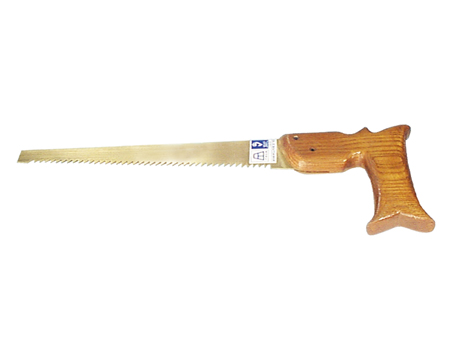
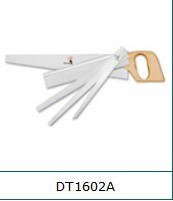
Saws
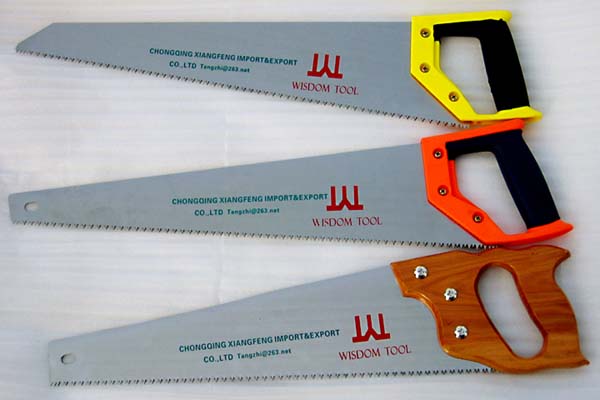
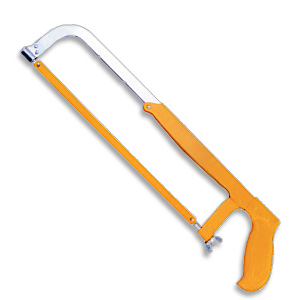
Source high-quality saws directly from vetted manufacturers and wholesale suppliers. Tailored for importers, distributors, and tool brands seeking reliable OEM and private-label production, our network delivers bulk hand saws built for durability, precision, and consistent cutting performance.
Sourcing hand saws at scale requires balancing steel metallurgy, tooth geometry, and handle ergonomics to meet professional or DIY market standards. The primary challenge lies in ensuring consistent heat treatment across production runs—a failure here results in brittle blades, warped profiles, or rapid tooth wear, all of which immediately destroy brand reputation among end-users.
Blade Metallurgy and Heat Treatment
The core of any saw is the steel blank. While visual finishes can mask poor material choices in the short term, performance under load relies entirely on the steel grade and the factory's tempering process. The blade body must remain flexible enough to prevent snapping (typically HRC 50 to 54), while the teeth require secondary impulse hardening to retain their cutting edge (HRC 60 to 62).
| Steel Grade | Body Hardness | Performance Profile |
|---|---|---|
| 50 / 55 Carbon Steel | HRC 45 to 48 | Low cost, rapid dulling. Suitable only for entry-level DIY markets. |
| 65Mn High Carbon | HRC 50 to 52 | Standard mid-market choice. Good balance of flexibility and edge retention. |
| SK5 Spring Steel | HRC 52 to 54 | Premium durability, excellent tension memory. Required for professional grade. |
When evaluating a new manufacturing partner, verify their in-house heat treatment capabilities. Inconsistent furnace temperatures lead to soft spots in the steel. Conducting thorough Factory Audits before placing high-volume orders is the most reliable way to confirm a supplier has the automated induction hardening equipment necessary for precise tooth treatment.
Need to verify a saw manufacturer's production capabilities? Let us audit their facilities and secure your supply chain.
Talk to our teamTooth Geometry and Grinding
Tooth configuration determines the saw's application (crosscut vs. rip cut) and cutting efficiency. Buyers must specify the Teeth Per Inch (TPI) and the grind profile.
- Standard Grind (2-sided): Traditional sharpening, cuts on the push stroke. Slower, but easier to manufacture and resharpen.
- Triple Bevel Grind (3-sided): Diamond-ground teeth that cut on both the push and pull strokes. Essential for modern fast-cut and pull saws. Requires advanced CNC grinding machinery.
Quality Control on the Factory Floor
Catching defects before the product is packaged is critical. Saws are prone to specific manufacturing flaws that are easily missed by standard visual inspections. Implementing rigorous Quality Control & Inspection protocols prevents unsellable inventory from leaving the factory.
Critical Pre-Shipment Inspection Points
- Tooth Hardness Testing: Verifying impulse-hardened teeth reach HRC 60 to 62 without embrittling the blade body.
- Blade Tensioning & Straightness: Checking the blade core remains flexible and returns to true straightness after a 90-degree bend test.
- Handle Adhesion: Ensuring TPR overmolding on ABS cores resists peeling under heavy torque.
- Coating Integrity: Tape testing clear lacquer or PTFE/Teflon coatings for adhesion and corrosion resistance.
If you are developing proprietary handle designs for ergonomic differentiation, utilizing dedicated OEM/ODM Services ensures that tooling and injection molding processes are managed securely, protecting your intellectual property while achieving precise tolerances.
Production Mechanics: MOQs, Pricing, and Lead Times
Pricing for saws is highly sensitive to raw material costs (specifically SK5 vs 65Mn steel), the complexity of the tooth grind, and handle materials (single-injection plastic vs. dual-injection ABS/TPR sonic-welded to the blade).
Consolidating Tooling Costs
If your MOQ is on the lower end, ask the manufacturer if you can use their existing open molds for the handle, while customizing the blade etching, TPR grip colors, and packaging. This avoids heavy upfront tooling investments.
Looking for accurate pricing and lead times for your specific saw requirements? Speak with our sourcing experts today.
Get a free consultationSourcing FAQ
Successfully sourcing saws in volume comes down to rigorous specification management and holding the factory accountable to strict metallurgical standards. When the difference between a premium tool and a disposable one is a few degrees in a tempering furnace, having expert oversight on the ground is the most effective way to protect your product quality.
Get Sourcing Help for Saws
Tell us your requirements and our experts will connect you with verified manufacturers.