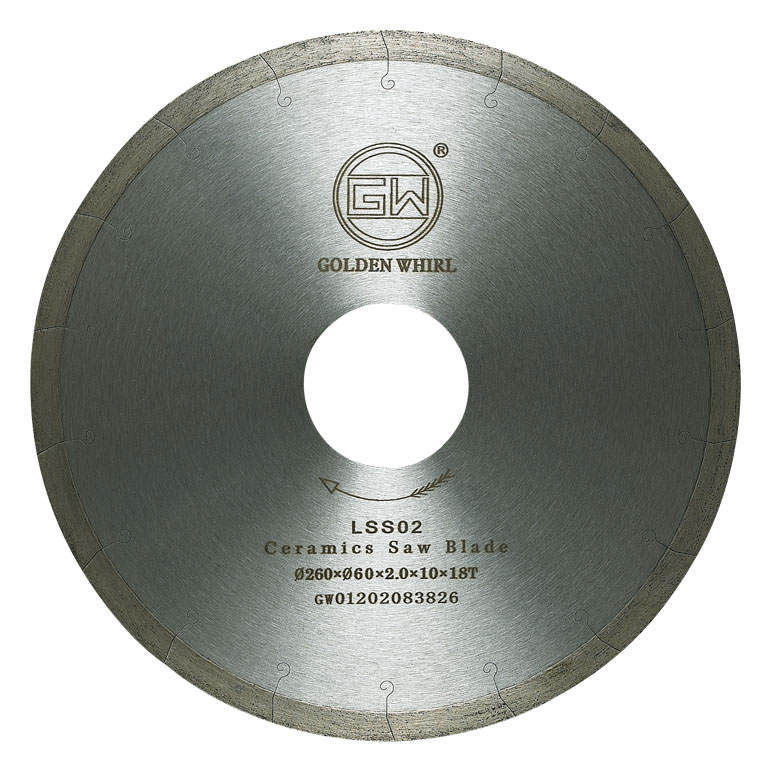
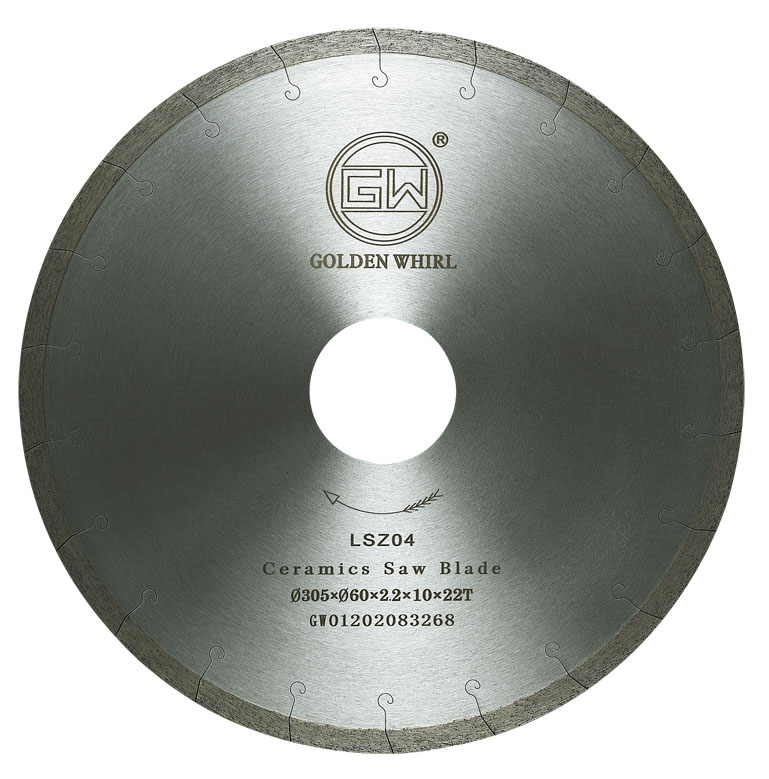
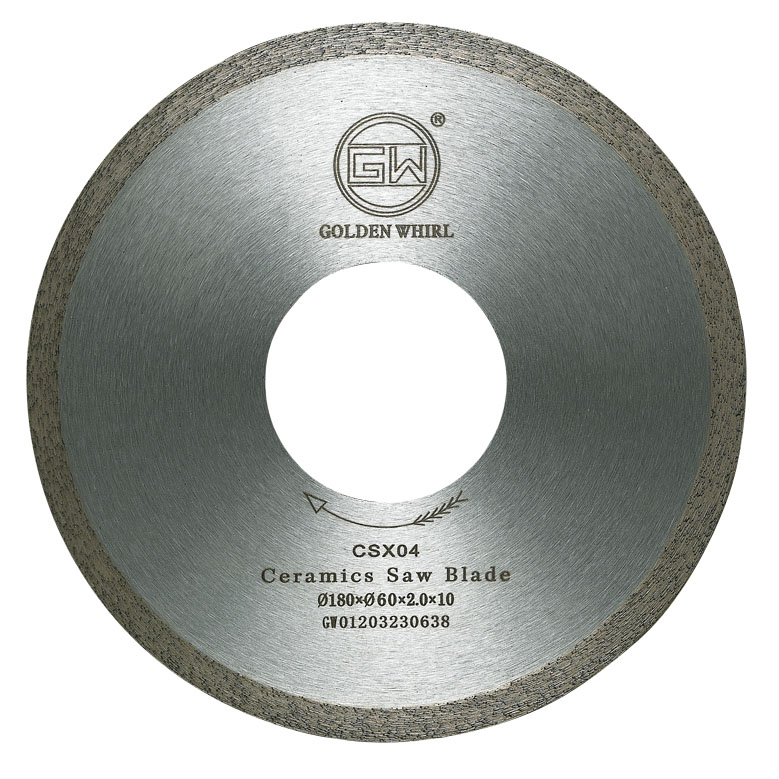
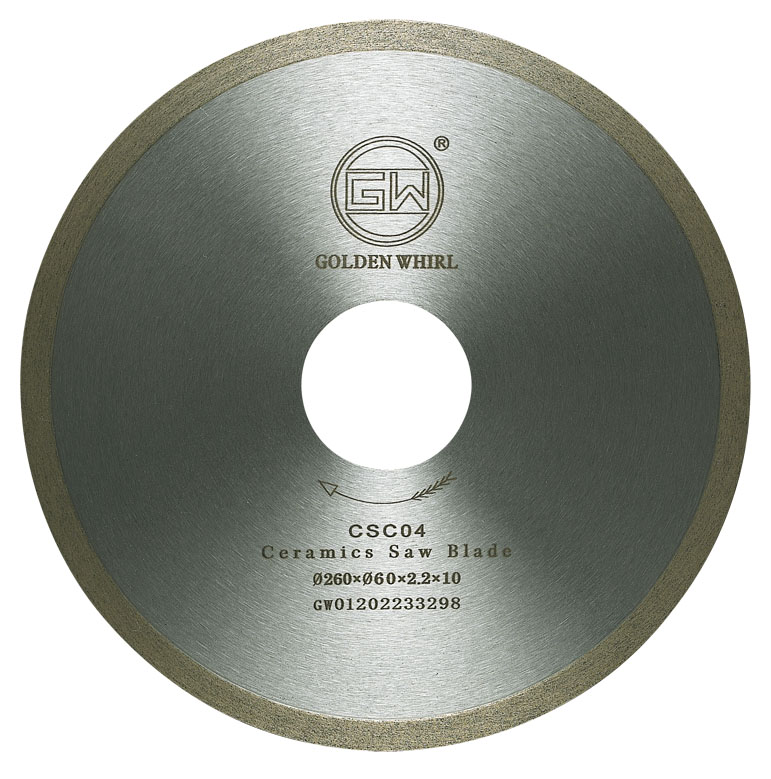
Saw Blades
Source premium saw blades from vetted suppliers and manufacturers across Asia. Designed for hardware distributors, industrial importers, and power tool brands seeking reliable OEM and private-label production, our network delivers consistent cutting performance and durability at competitive wholesale volumes.
Sourcing saw blades in bulk requires navigating a complex matrix of metallurgical specifications, manufacturing tolerances, and factory capabilities. A blade's performance is rarely determined by its visual appearance; rather, it hinges on the quality of the steel plate, the grade of the carbide teeth, and the precision of the brazing and tensioning processes. For brands and distributors, securing a reliable manufacturing partner means ensuring these hidden variables remain consistent across tens of thousands of units.
Critical Specifications for Bulk Buyers
When negotiating with manufacturers, specifying the correct raw materials and manufacturing methods is non-negotiable. Vague specifications lead to inconsistent batches and premature blade failure.
Plate Material and Fabrication
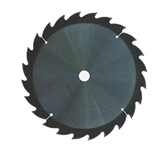
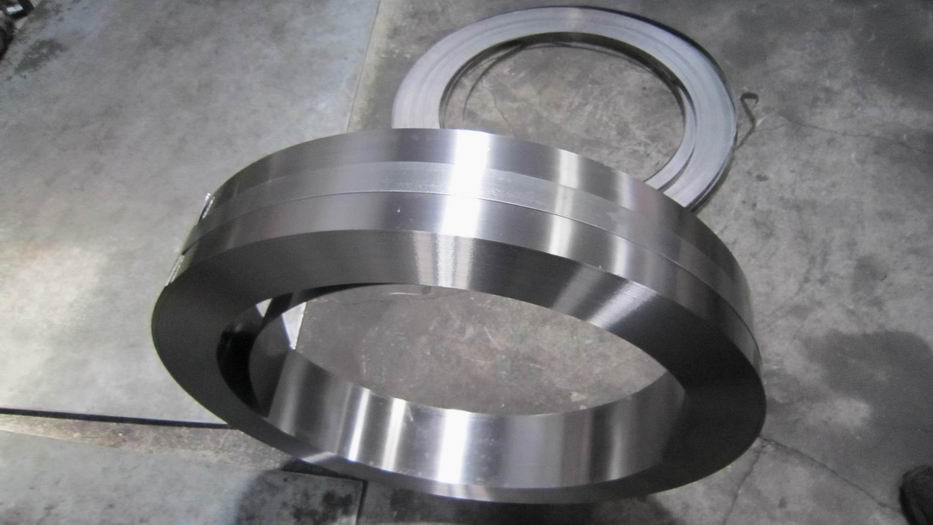
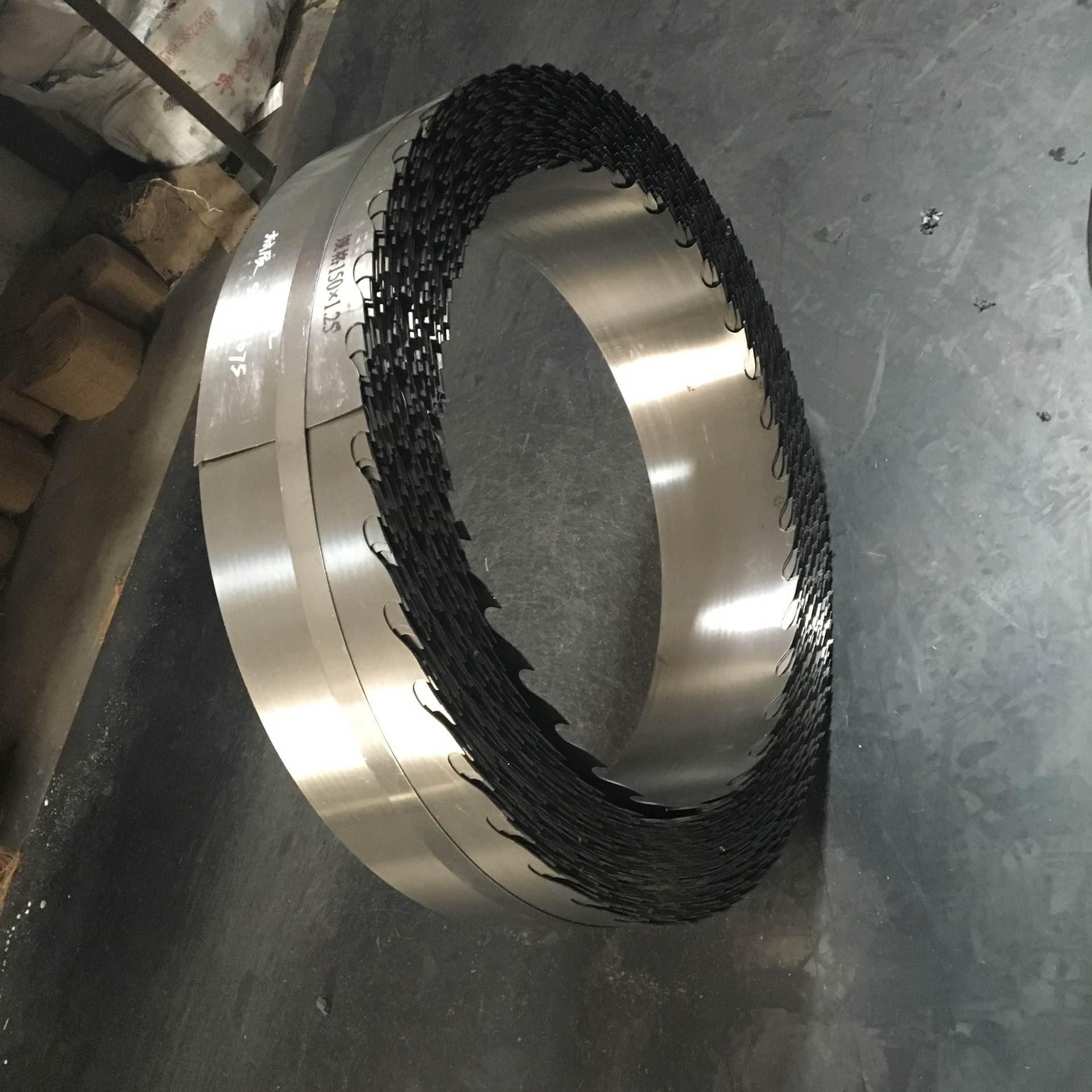
The core of any circular saw blade is the steel plate. High-volume manufacturers typically use 65Mn or 50Mn for standard consumer blades, while professional-grade blades require 75Cr1 or SKS51 steel. The fabrication method of the plate drastically impacts performance:
| Feature | Stamped Plates | Laser-Cut Plates |
|---|---|---|
| Manufacturing Process | Punched from sheet metal | Cut via CNC laser |
| Stress Profile | High residual stress, requires leveling | Minimal stress introduction |
| Tolerance | Standard to loose | Exceptionally tight |
| Best Application | High-volume consumer DIY | Professional and industrial use |
Carbide Grades and Brazing
For Tungsten Carbide Tipped (TCT) blades, the carbide grade dictates the wear resistance and impact toughness. Standard woodworking blades often utilize C2 or C3 micro-grain carbide, while non-ferrous metal cutting requires harder C4 grades.
The brazing process that attaches the carbide to the plate is a common point of failure. High-end factories utilize automated induction brazing machines with silver-copper-silver tri-metal brazing alloys to absorb impact shock, whereas lower-tier suppliers may use cheaper copper brazing that becomes brittle under load.
Struggling with inconsistent blade performance? Let us connect you with audited manufacturers equipped with automated brazing and tensioning lines.
Talk to our teamQuality Control on the Factory Floor
Catching defects before shipment is critical, as blade failure poses significant safety risks and brand damage. A robust Quality Control & Inspection protocol should focus on the following parameters:
Essential Saw Blade Inspection Checkpoints
- Runout Tolerance: Verify axial and radial runout is under 0.15mm for professional blades.
- Tensioning Verification: Ensure the plate is properly tensioned to prevent warping caused by centrifugal force at high RPMs.
- Brazing Shear Strength: Conduct destructive testing to confirm the shear strength of the carbide bond exceeds standard thresholds.
- Tooth Grind Accuracy: Check the Hook Angle, Top Bevel, and Kerf width using optical comparators.
- Dynamic Balancing: Confirm vibration limits are within acceptable ranges for the specified RPM.
Partnering with suppliers who maintain strict internal testing facilities is vital. We strongly recommend conducting thorough Factory Audits to verify a supplier's in-house testing equipment, specifically checking for dynamic balancing machines and optical profile projectors.
Wholesale Pricing, MOQs, and Lead Times
Sourcing saw blades requires aligning your inventory strategy with standard factory operational requirements.
Pricing is heavily indexed to global steel and tungsten commodity prices. Customizing blade coatings (like PTFE or electrophoretic deposition) and developing proprietary tooth geometries will increase costs but allow for higher retail margins. For brands looking to build a cohesive product line, leveraging professional OEM/ODM Services ensures your specific performance requirements and Branding & Design elements (like laser-etched logos and custom retail packaging) are executed flawlessly.
Need to negotiate better terms or consolidate your accessory sourcing? We manage the entire supply chain from factory floor to your warehouse.
Get a free consultationFrequently Asked Questions
Securing a reliable supply of high-quality saw blades is less about finding the lowest price per unit and more about managing the metallurgical and manufacturing tolerances that define the product's lifespan. By focusing on factory capabilities and rigorous quality control, you can build an accessory line that professionals trust.
Get Sourcing Help for Saw Blades
Tell us your requirements and our experts will connect you with verified manufacturers.